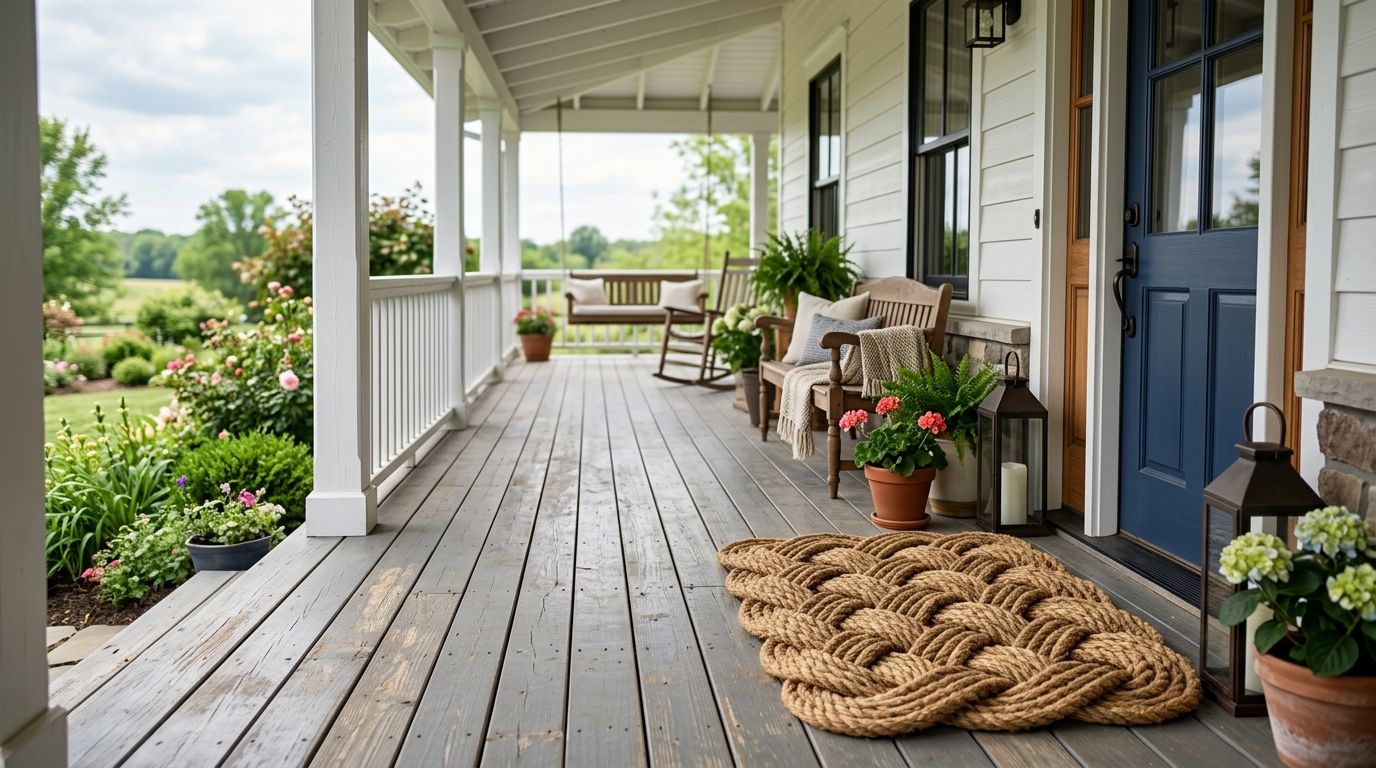
A doormat usually starts failing in the same way – it stays damp, starts looking flat, and turns into one more thing you need to replace sooner than expected. If you want something better at your front door, patio, deck, boat, or RV step, a handwoven outdoor mat makes sense for one simple reason: it is built for real use, not just a nice first week.
For busy households, outdoor living spaces, and homes that deal with sun, rain, sand, pets, and heavy foot traffic, the difference comes down to construction. A mat that is woven by hand from durable rope-style material does more than sit at the door. It holds its shape, sheds moisture more easily than traditional fabric mats, and keeps looking clean with far less effort.
The biggest difference is in how the mat is made. Many standard outdoor mats rely on dense fibers, glued layers, or moisture-holding materials that can wear down quickly. They may look fine on the shelf, but daily use exposes the weak points fast.
A handwoven outdoor mat is structured instead of stuffed. The woven design creates space within the mat, which helps water move through rather than linger. That matters on a covered porch, but it matters even more in exposed outdoor areas where rain, pool water, or humidity are part of everyday life.
That same construction also helps the mat keep its body. Instead of crushing down into a tired-looking pad, a well-made woven mat tends to stay springy and substantial underfoot. The result is a cleaner look at the entry and a more dependable surface for daily traffic.
Outdoor products do not get judged by appearance alone. They have to perform in conditions that are hard on materials. Sun fades color. Rain creates mildew problems. Dirt settles in. Sand gets tracked everywhere. Pets and kids add a lot more wear than a product label ever admits.
This is where woven rope construction has a real advantage. It does not trap moisture the way absorbent mats often do. It is also easier to shake out, hose off, or wash when life gets messy. If you live near the coast, by a lake, or in a warm-weather climate where outdoor spaces stay active year-round, low-maintenance performance matters just as much as style.
There is also the issue of replacement cost over time. A cheaper mat can feel like a bargain until you realize you are buying another one in a few months. A better-made mat costs more upfront, but if it keeps its shape, color, and function through seasons of use, the long-term value is stronger.
A lot of outdoor home products sound good in theory. What matters is what you notice after the mat has been in place for a while.
First, you notice less fuss. A mat that does not stay soggy or cling to debris is easier to live with. You are not constantly trying to fluff it back up, scrape off packed-in grime, or figure out why it still looks dirty right after rain.
Second, you notice the entry looks more finished. A handwoven mat has a clean, handcrafted look that feels more intentional than a generic store-bought option. It adds texture and color without looking delicate or overly decorative. For front porches, pool doors, patios, and back entries, that balance matters.
Third, you notice how well it handles everyday traffic. Shoes, bare feet, sandy flip-flops, dog paws, coolers, grocery bags, wet towels – outdoor living is rarely gentle. A mat that can handle all of that without breaking down quickly earns its place.
One reason homeowners like handwoven mats is that they bring visual warmth without creating maintenance problems. The woven texture feels relaxed and coastal, but it can also work in a more classic or casual setting. It does not need a beach house to look right.
Color matters here too. The best outdoor mats are often the ones that add interest while still hiding the day-to-day evidence of life outside. Variegated color combinations, rope textures, and handcrafted patterns tend to wear visually better than flat, solid-surface mats that show every bit of dust and fading.
That said, the right choice depends on where the mat will live. A bold color mix can be great for a sunny porch or boat deck, while a more neutral combination may suit a formal front entry better. Practical design always works best when it fits the space instead of trying to dominate it.
Not every outdoor surface has the same demands. A front door mat needs to create a warm first impression and handle repeated daily traffic. A patio or deck mat often has to deal with furniture movement, damp feet, and more open exposure to the elements. A mat used on a boat or RV step needs to stay useful in tighter, more mobile spaces.
The good news is that a handwoven outdoor mat is versatile enough to work across all of those settings. Its structure helps it perform in wet environments, and its finished look makes it attractive enough for visible entry points. That combination is what makes it more than a specialty item. It is a practical upgrade in almost any space where ordinary mats wear out too fast.
If you have pets, this becomes even more useful. Muddy paws and frequent traffic can ruin softer mats quickly. A woven mat that resists trapping dirt and rinses clean more easily is simply a better fit for active households.
Not every woven mat is made to the same standard. The phrase handwoven can describe very different products, so it helps to look beyond the label.
Start with the material. For outdoor use, you want something that stands up to moisture, resists staining, and holds color well in the sun. Then look at how the mat is woven. Tight, consistent construction helps with shape retention and long-term wear.
It also helps to pay attention to where the mat is made and how the brand talks about performance. If the product is positioned mainly as decorative, it may not be built for heavy outdoor use. If the focus is on washability, durability, and real-life exposure, that is usually a better sign.
A guarantee matters too. When a company is willing to stand behind outdoor performance, it tells you the mat is expected to live outside and keep working there.
There is a reason handcrafted products continue to stand out, especially in categories where durability matters. Handwoven construction is not just a nice detail for a product page. It affects how the mat feels, performs, and holds up over time.
A handcrafted mat often has a more substantial finish and a more intentional weave than mass-produced alternatives. That gives it character, but it also supports function. The structure is part of the value.
For homeowners who want something made in the USA and built with long-term use in mind, that matters. It is not only about buying something attractive. It is about choosing a mat that is better suited to real outdoor living and less likely to become another disposable household item.
Lobster Rope Doormats of Florida is built around that exact idea – handcrafted outdoor mats that look sharp, clean up easily, and keep performing in places where ordinary mats wear out fast.
A mat can be durable and still be annoying to maintain. That is why easy care is not a minor feature. It is part of what makes an outdoor mat worth buying.
With a well-made woven mat, cleaning is usually simple. Shake it out. Hose it off. Wash it when needed. Let it dry and put it back to work. That is a much better experience than dealing with mats that stay damp, hold odors, or collect grime deep in the pile.
For households with kids, pets, guests, and constant traffic in and out, easy maintenance is not a bonus. It is one of the main reasons to upgrade.
A good outdoor mat should make your entry look better without adding one more chore. When it is handwoven, durable, and designed for daily use, that is exactly what it does.

Doormats designed to look better, last longer, and clean easier.
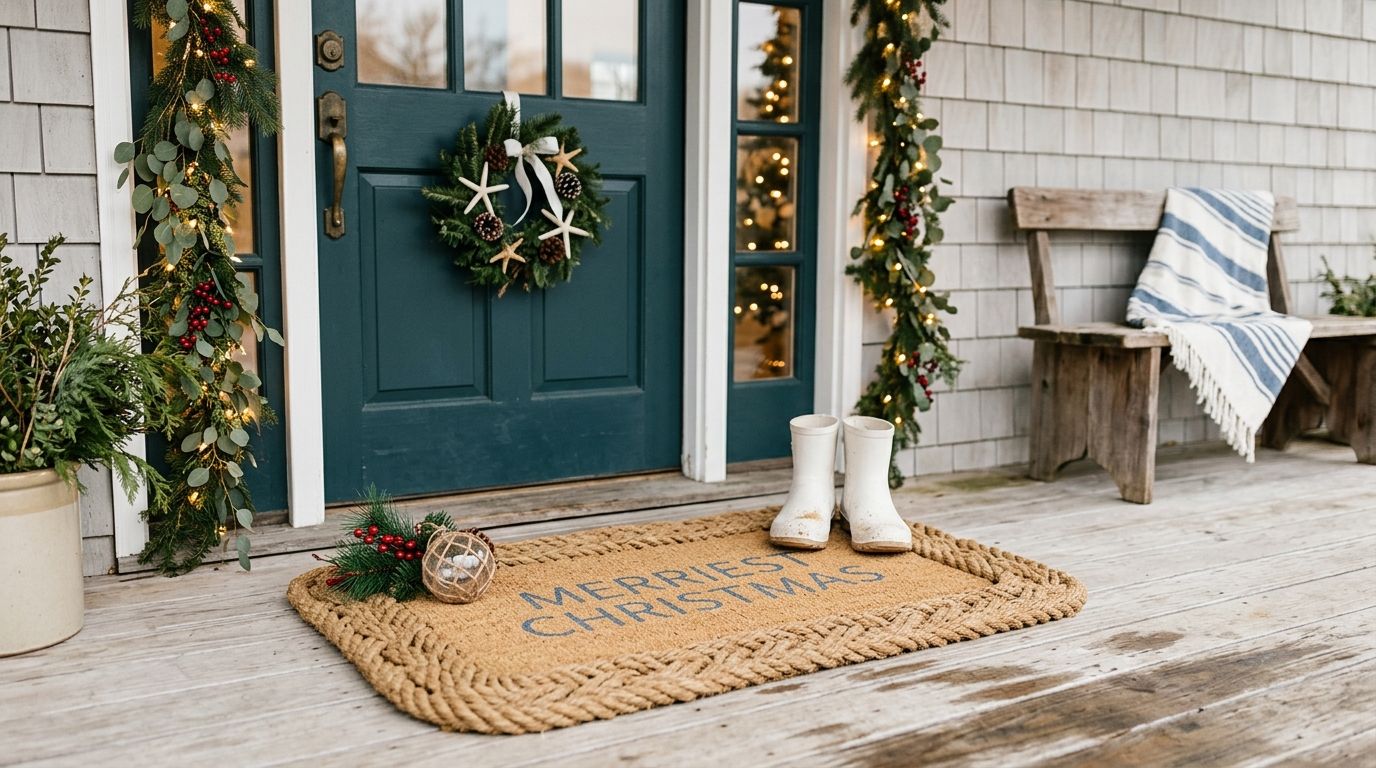
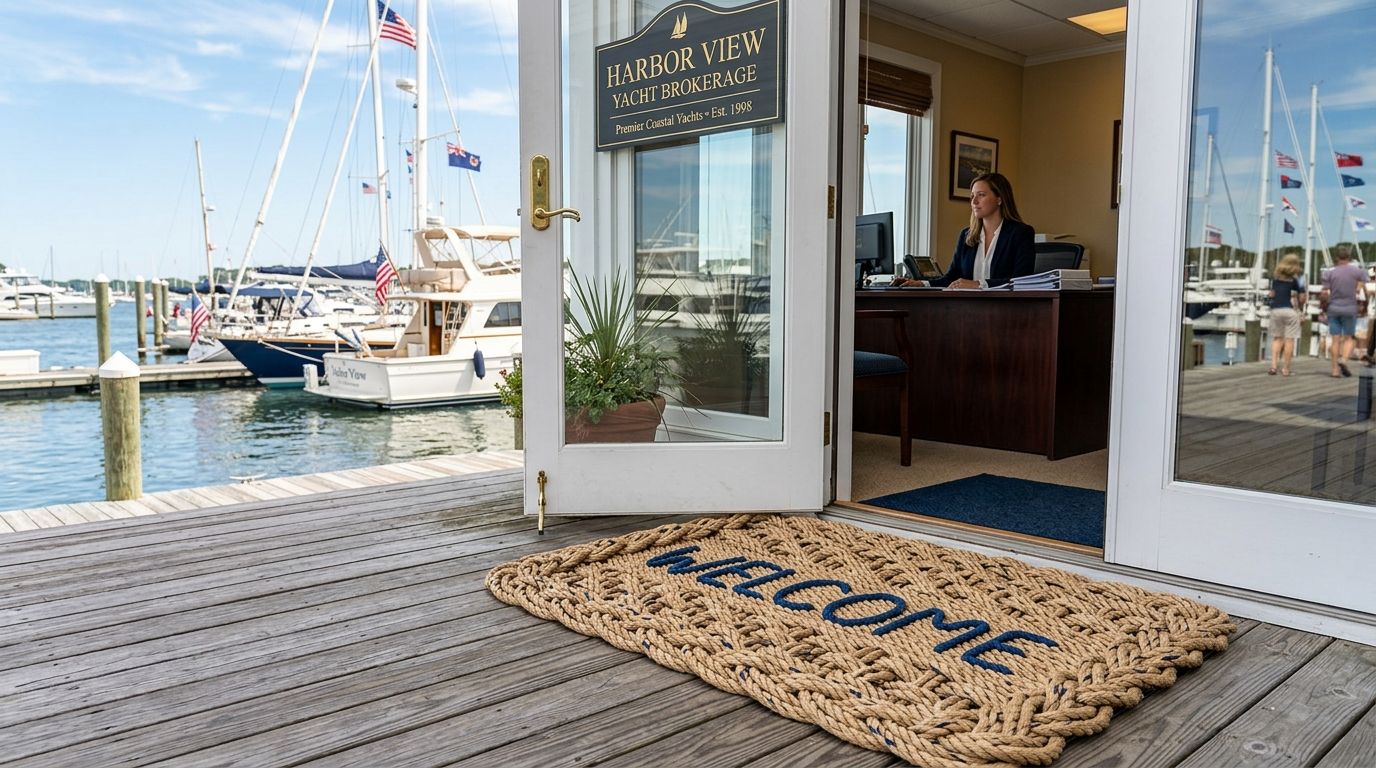
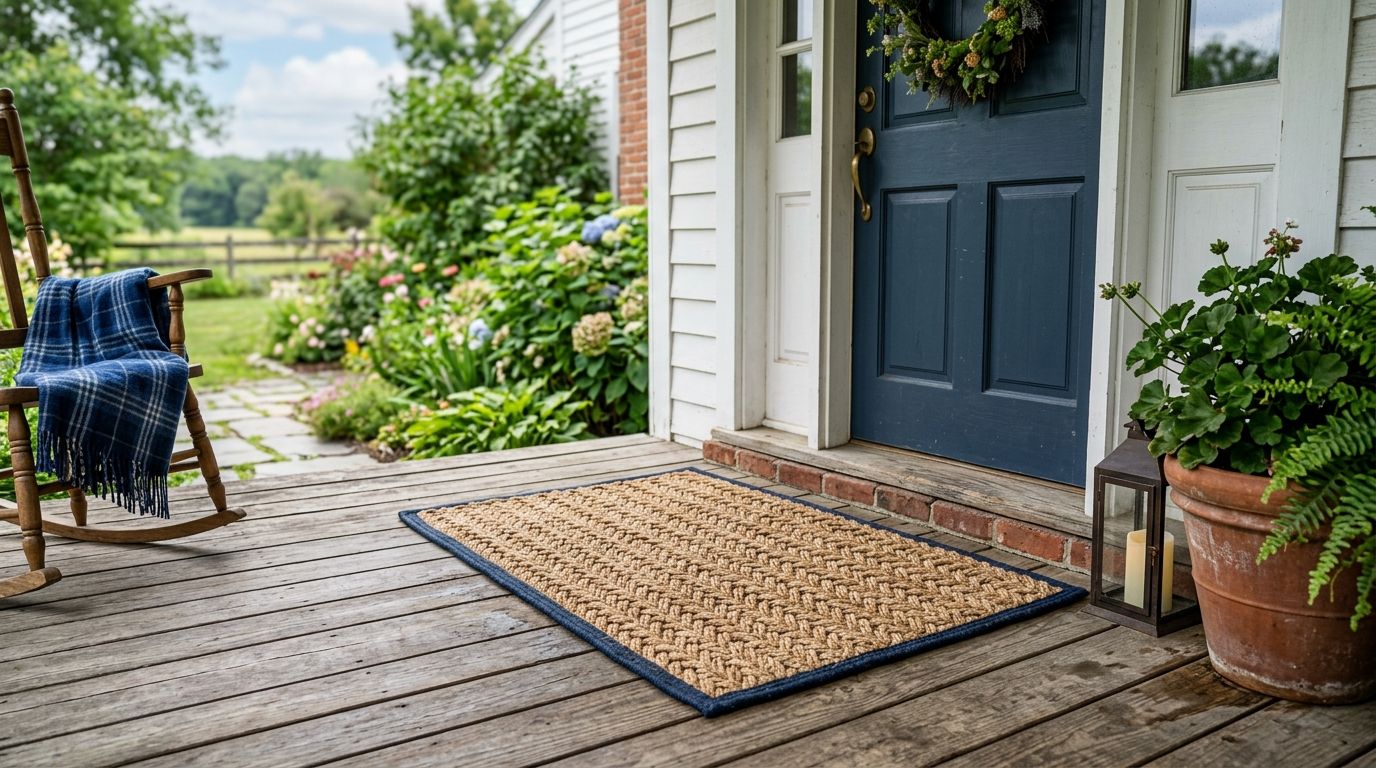
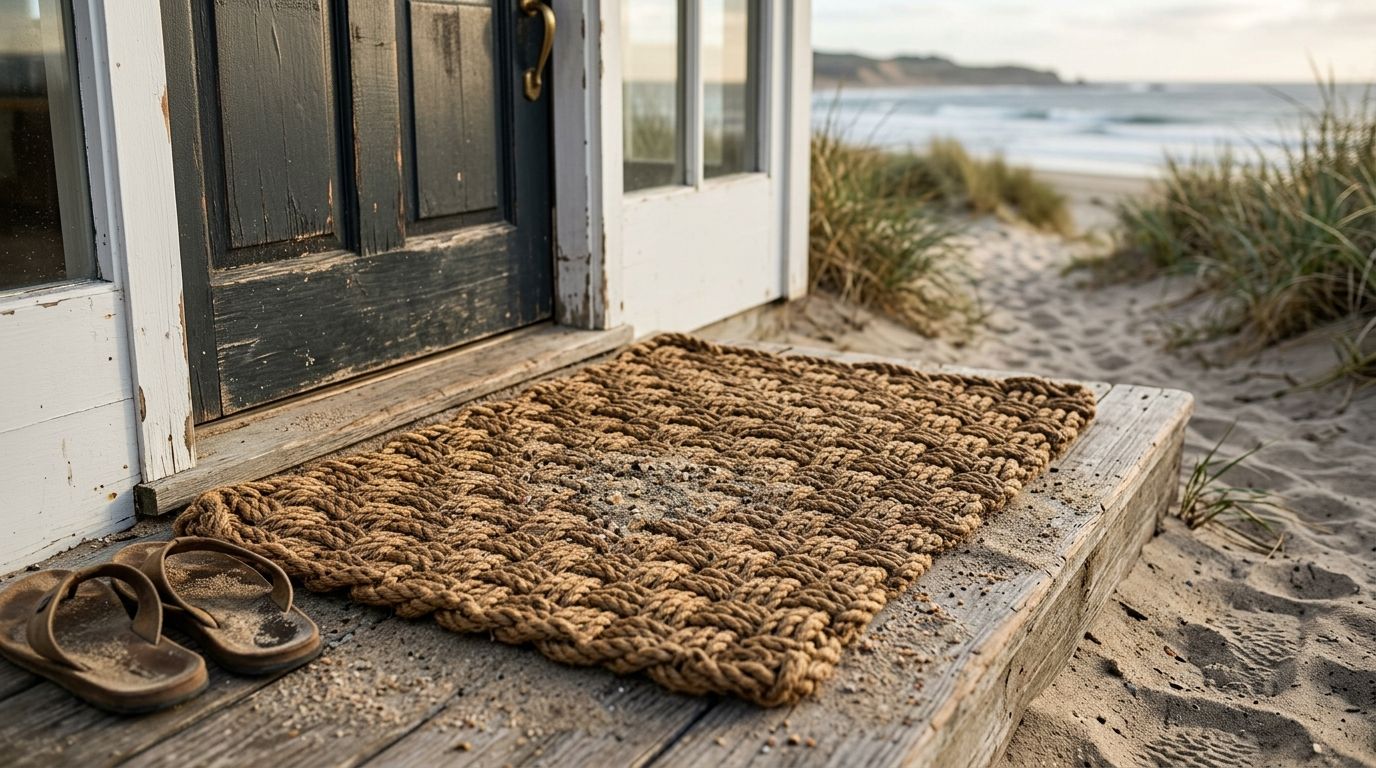
Handmade lobster rope doormats crafted for outdoor durability, easy care, and a warm first impression. Designed for porches, patios, entryways, decks, boats, and RVs across the USA
Copyright © 2026 All Rights Reserved.