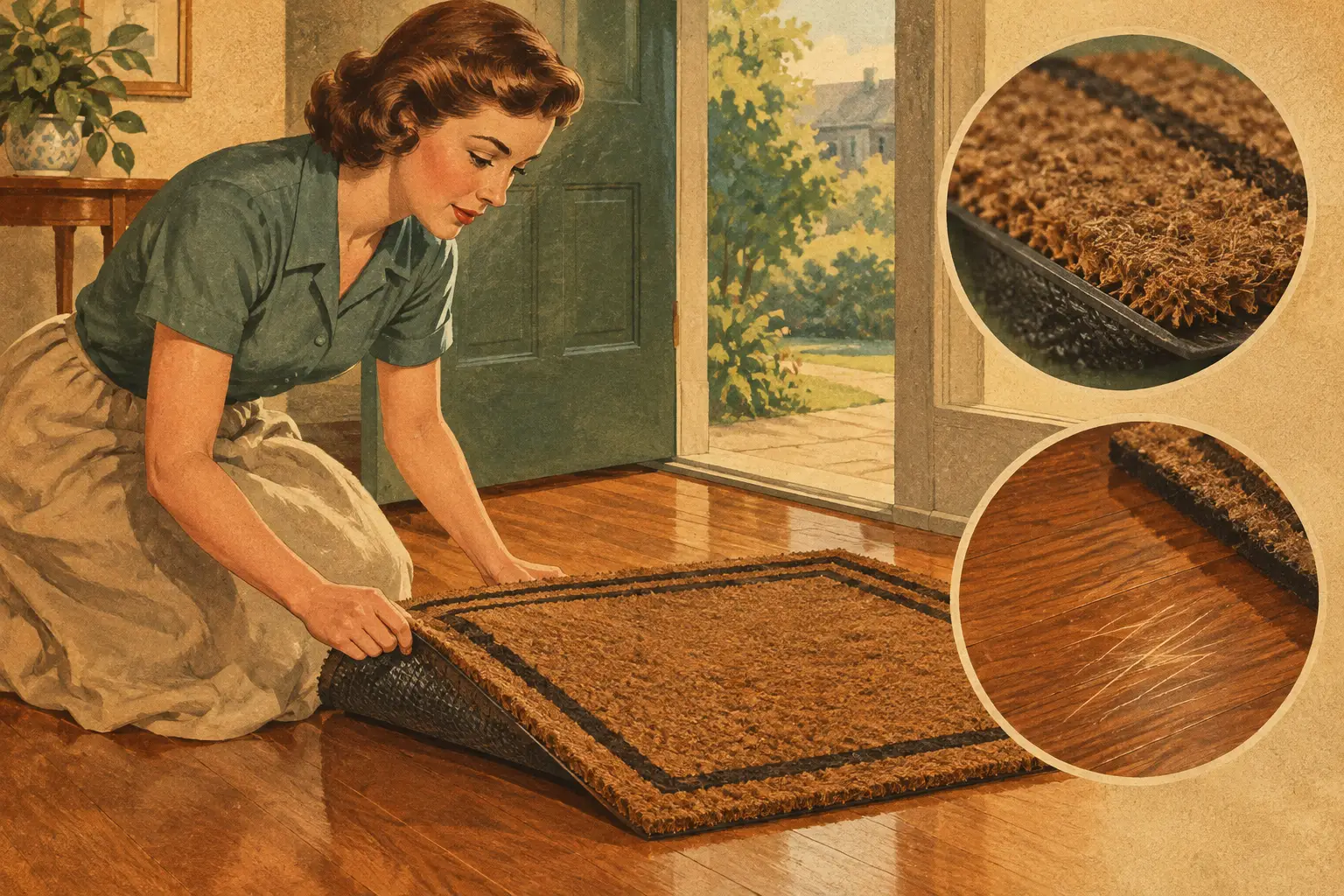
A front door that gets full sun can wear out an ordinary mat fast. If you’re shopping for a doormat for sunny entryway areas, looks matter, but so does how that mat handles heat, fading, foot traffic, and the daily mess that comes with real outdoor living. The right choice should keep its shape, stay easy to clean, and still give your entrance a warm first impression after months of bright exposure.
Sun changes the rules. A shaded front porch can be forgiving, but a bright entry with direct exposure puts more pressure on materials every single day. Colors can fade, fibers can dry out, rubber can crack, and mats that hold moisture can end up feeling musty or worn long before they should.
Heat is part of the problem, but it is not the only issue. A sunny entryway often also deals with sand, dust, pollen, wet shoes after summer rain, and higher traffic because it is the main path in and out. That means the best mat for this space has to do more than look nice on day one. It needs to stay functional through the season and still look pulled together when guests walk up.
This is where a lot of common outdoor mats fall short. Coir can shed and bleach in strong sun. Fabric-faced mats may trap water and dry slowly. Low-cost rubber-backed options can curl or become brittle over time. For homeowners who want something that lasts, material choice matters more than a trendy pattern.
A good mat for direct sun should handle three things well: exposure, mess, and maintenance. If it misses on even one of those, the mat can become one more thing to replace sooner than expected.
The first question is simple: will the mat still look good after repeated sun exposure? Bright entryways are hard on color, especially in warm-weather states and coastal areas where sunlight is intense for much of the year. Materials designed for outdoor use tend to hold up better because they are less likely to dry out, bleach quickly, or break down at the surface.
That does not mean every outdoor mat performs the same way. Some are technically made for outdoors but still lose their visual appeal quickly in a sunny location. If curb appeal matters, choose a mat built for long-term exterior use, not just occasional porch placement.
Many homeowners focus on sun and forget water. Even in a sunny spot, rain happens, sprinklers overspray, and damp shoes show up at the door. A mat that traps moisture can become heavy, dirty, and harder to keep fresh. In heat, that can also lead to odors and faster wear.
Open-weave construction has a real advantage here. It allows water to pass through rather than sit on the surface, and it helps the mat dry faster after storms or cleaning. That makes a difference in both performance and upkeep, especially in humid climates.
Sunny entryways tend to show dirt clearly. Dust, leaves, grit, and sand are more noticeable in bright light, which means your front door can start looking untidy even when the rest of the house is in good shape. A mat that is difficult to shake out or wash becomes a nuisance.
The best options are the ones you can clean quickly without special treatment. Hose it off, rinse away debris, and put it back in place. For busy households with kids, pets, frequent guests, or second homes that need simple maintenance between visits, that ease of care is not a bonus. It is part of the value.
When people compare mats, they often think in terms of fiber alone. But construction changes how a mat behaves over time. A dense surface may look finished and formal, but if it compresses quickly or traps debris, it can stop doing its job well. A loosely built mat may dry faster, but it also needs enough structure to stay in place and hold up to regular use.
Handwoven rope mats stand out because they balance those demands well. They are built to be durable without feeling heavy or stiff, and the woven structure helps with drainage and airflow. In a sunny entryway, that combination is practical. The mat can handle exposure while still being easy to rinse clean after muddy shoes, beach sand, or everyday traffic.
For homes in Florida and other warm-weather regions, this matters even more. A mat sitting in direct sunlight for hours at a time should not feel like a disposable accessory. It should function like part of the home’s outdoor setup – something made to stay outside and keep working.
Practical does not have to mean plain. A doormat for sunny entryway spaces should support the look of your home just as much as it supports day-to-day use. The front door is one of the first details people notice, and the mat plays a bigger role than many homeowners expect.
Color is worth thinking through carefully. Very dark mats can absorb more heat, while very light ones may show dirt faster depending on the setting. Mid-tone neutrals, coastal color combinations, and textured woven patterns often strike the right balance. They hide everyday debris better than flat solid surfaces and hold their visual appeal longer between cleanings.
The style of the weave also affects the overall look. Some mats read casual and relaxed, which works well for beach houses, patios, and breezy coastal entries. Others feel more tailored and structured, which can suit a formal front porch or a polished suburban exterior. The key is choosing something that looks intentional while still being built for weather.
If you have replaced your front mat more than once, you have probably already seen the weak points. Some mats flatten quickly and stop scraping shoes effectively. Others start fraying at the edges or lose color unevenly, leaving the whole entrance looking tired. Some become a magnet for dampness and grime, which is the opposite of what you want by the front door.
There is also the issue of long-term value. A cheaper mat can seem fine at first, but frequent replacement adds up. For high-exposure areas, buying the least expensive option often means buying again sooner. A better-built mat costs more upfront, but it usually looks better longer and asks less of you in maintenance.
That is why many homeowners move away from traditional fiber mats and toward rope-based outdoor designs. They want a cleaner coastal look, but they also want something that can stand up to real life – dogs running in from the yard, kids tracking in sand, weekend guests, and the kind of sun that can punish lower-grade materials.
For sunny front doors, handmade lobster rope doormats offer a practical advantage that decorative mats often miss. The rope construction is durable, stain-resistant, and built for outdoor conditions, not just covered porches. Because the weave allows moisture and debris to move through rather than collect on top, the mat stays cleaner with less effort.
That low-maintenance performance is a big part of the appeal. You can shake it out, rinse it off, and get back to your day. For families, pet owners, and anyone managing a home that sees plenty of outdoor traffic, that simplicity matters.
There is also the benefit of shape retention. A well-made woven rope mat holds up to frequent use without collapsing into a flat, worn patch at the threshold. It keeps doing its job while maintaining a neat appearance. For homeowners who care about both function and curb appeal, that is a better fit than a mat that looks good for one season and tired by the next.
Lobster Rope Doormats of Florida builds around that exact need with handcrafted mats made for outdoor performance, easy care, and a clean coastal look that works well in bright entry spaces.
Even the best material can underperform if the mat is too small or poorly placed. A sunny entryway mat should be large enough to catch real foot traffic, not just sit in front of the door as decoration. If people step over it instead of on it, it is not helping much.
For a single front door, choose a size that feels proportional to the entry. Wider mats usually create a more finished appearance and give people enough room to wipe both feet naturally. If the space is exposed, make sure the mat sits flat and stable on the surface beneath it.
It also helps to think about what comes into that doorway. Beach homes may need more sand control. Family homes may need better durability for repeated use. RV and boat entry points may need something that performs in tighter spaces but still cleans easily. The best choice depends on the setting, but the goal stays the same: a mat that keeps the entrance cleaner without becoming another chore.
A sunny entryway asks more from a doormat than most spots around the house. Choose one that is built to stay attractive, rinse clean, and handle the weather without fuss, and your front door will look better every day with far less effort.

Doormats designed to look better, last longer, and clean easier.
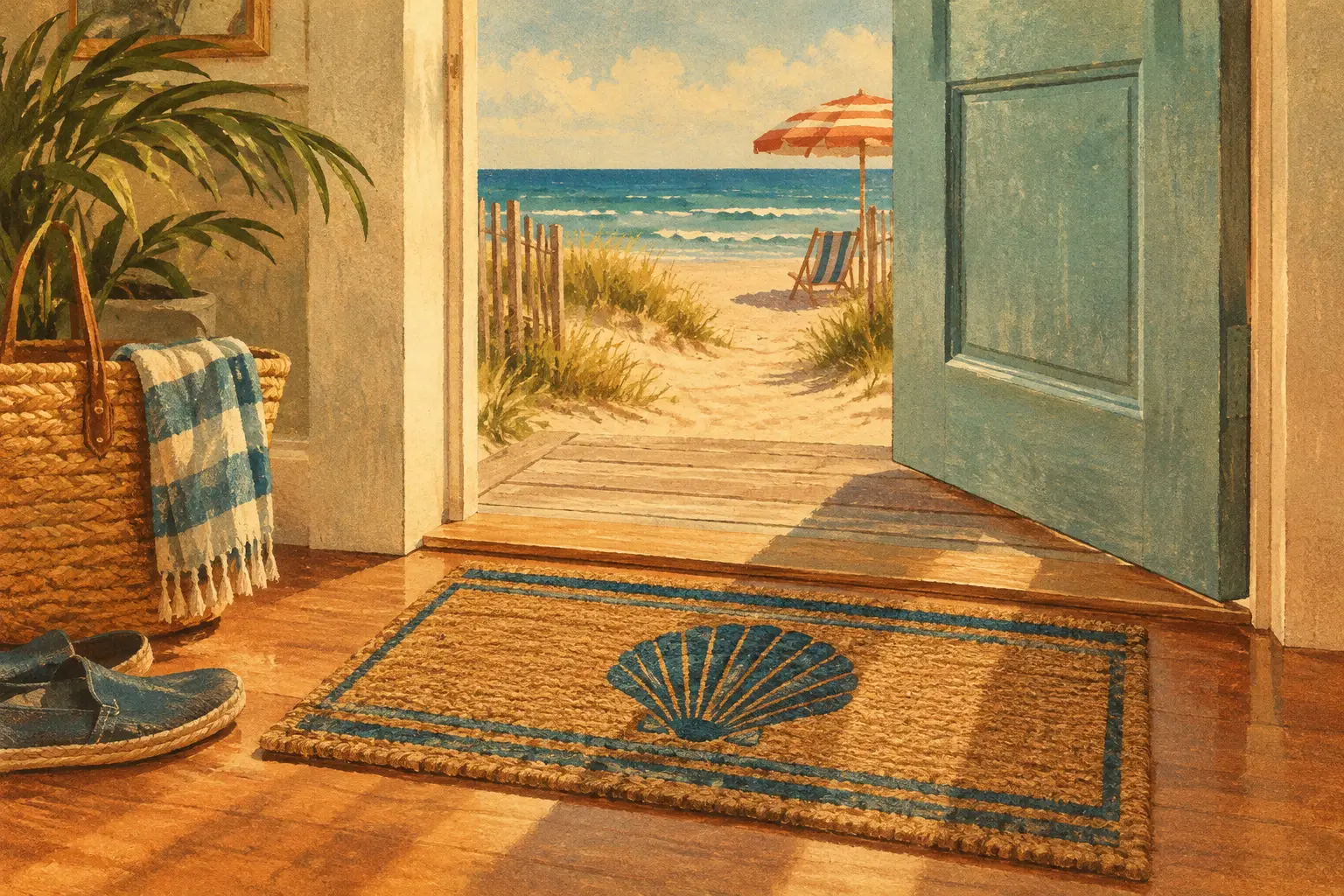
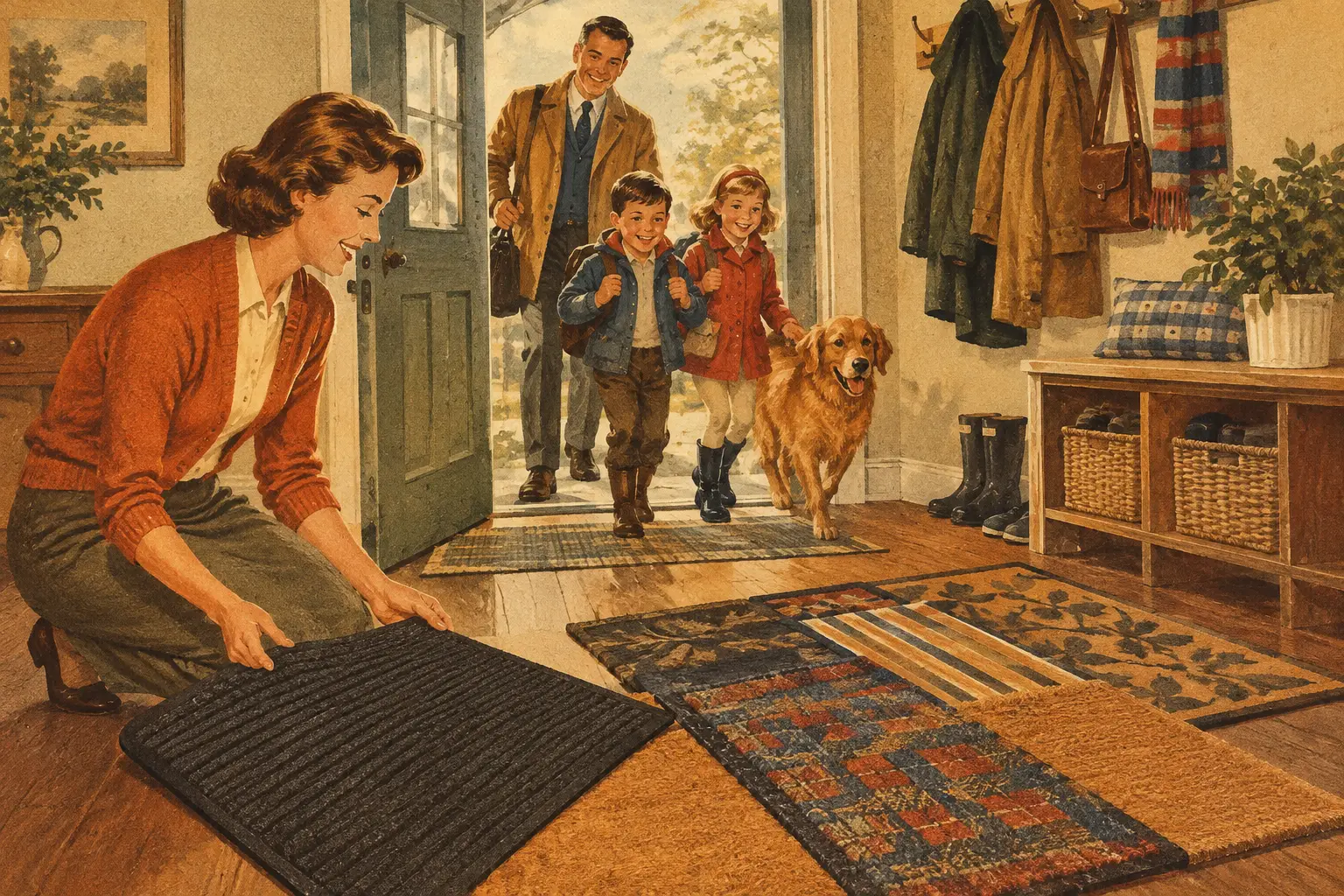
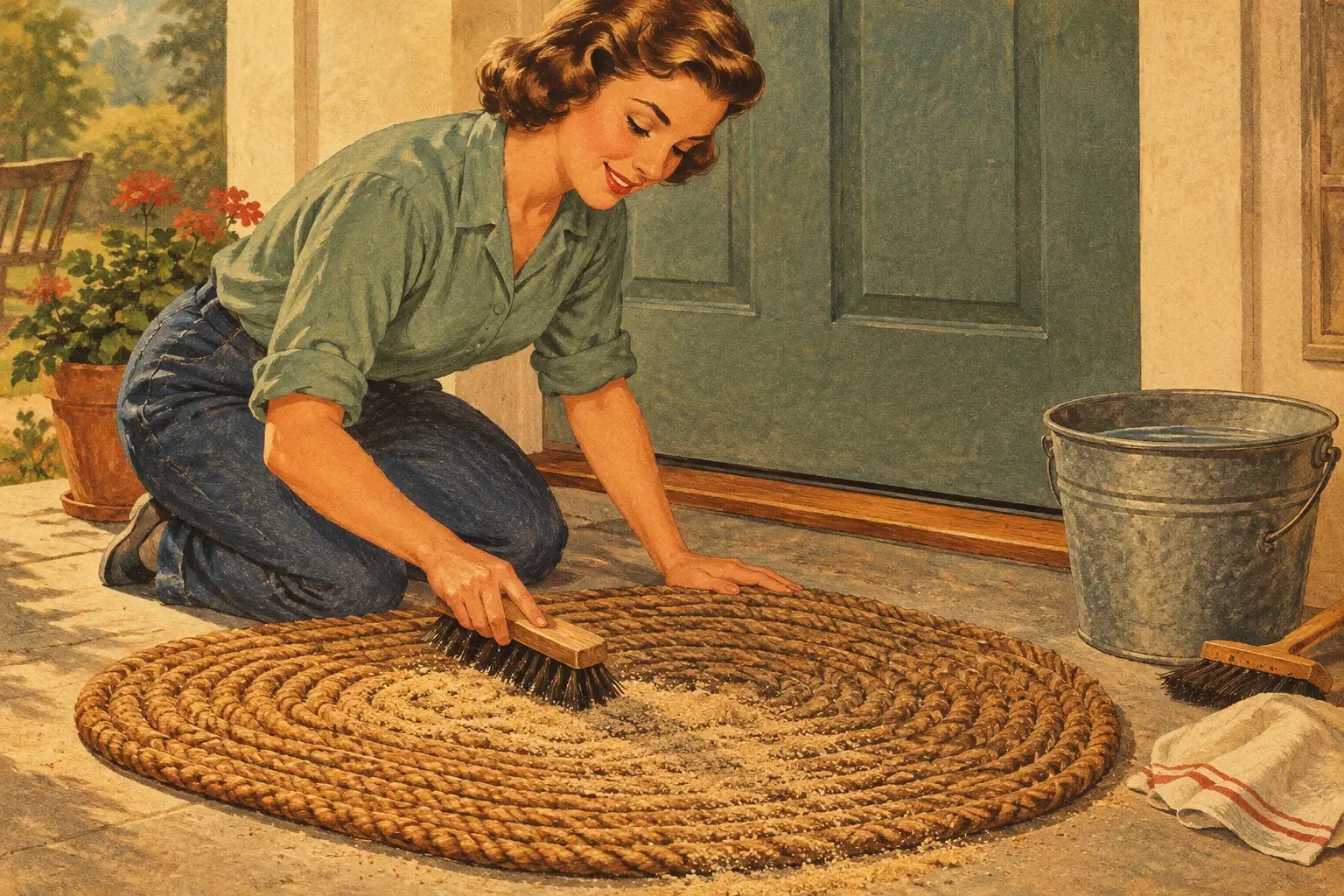
Handmade lobster rope doormats crafted for outdoor durability, easy care, and a warm first impression. Designed for porches, patios, entryways, decks, boats, and RVs across the USA
Copyright © 2026 All Rights Reserved.