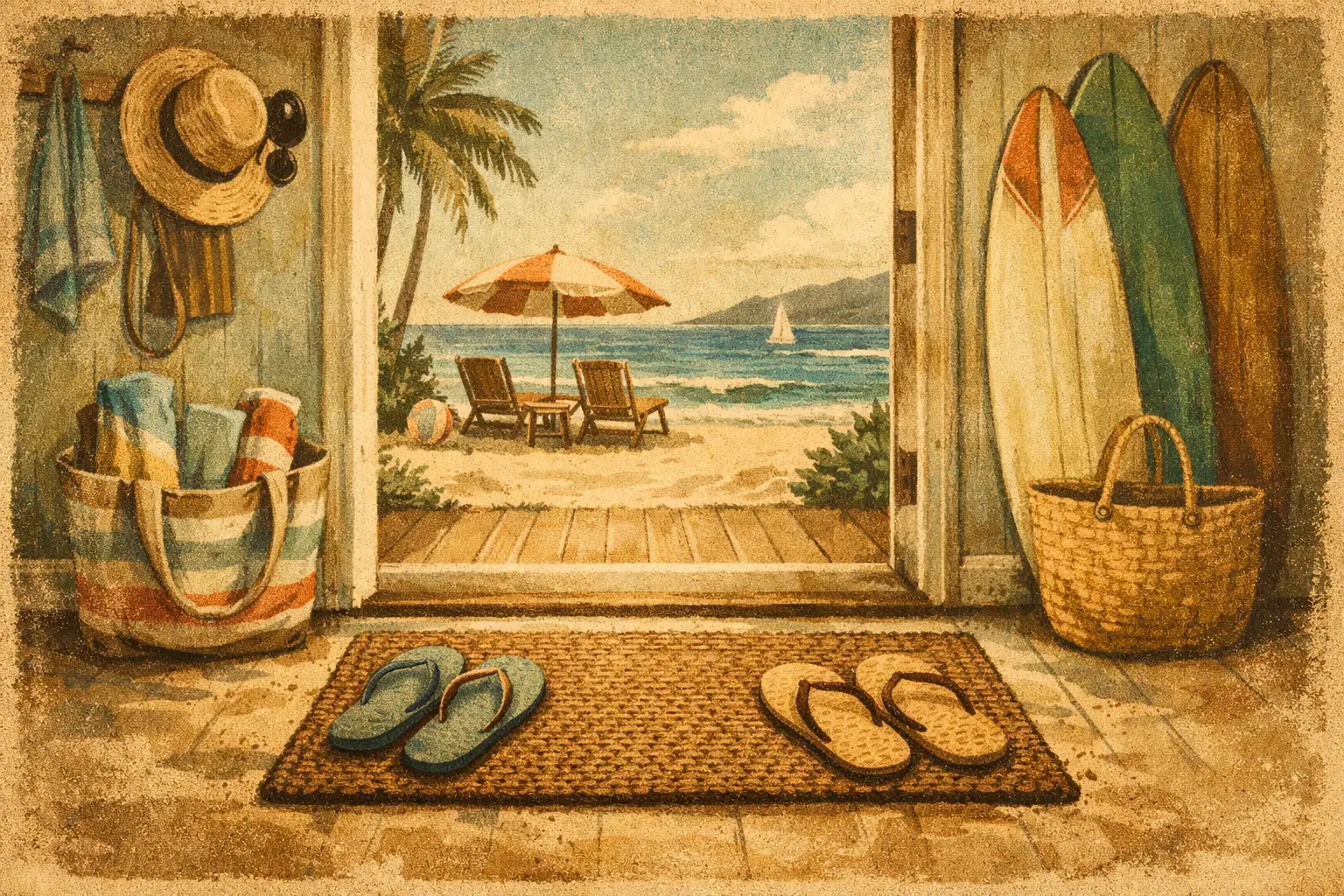
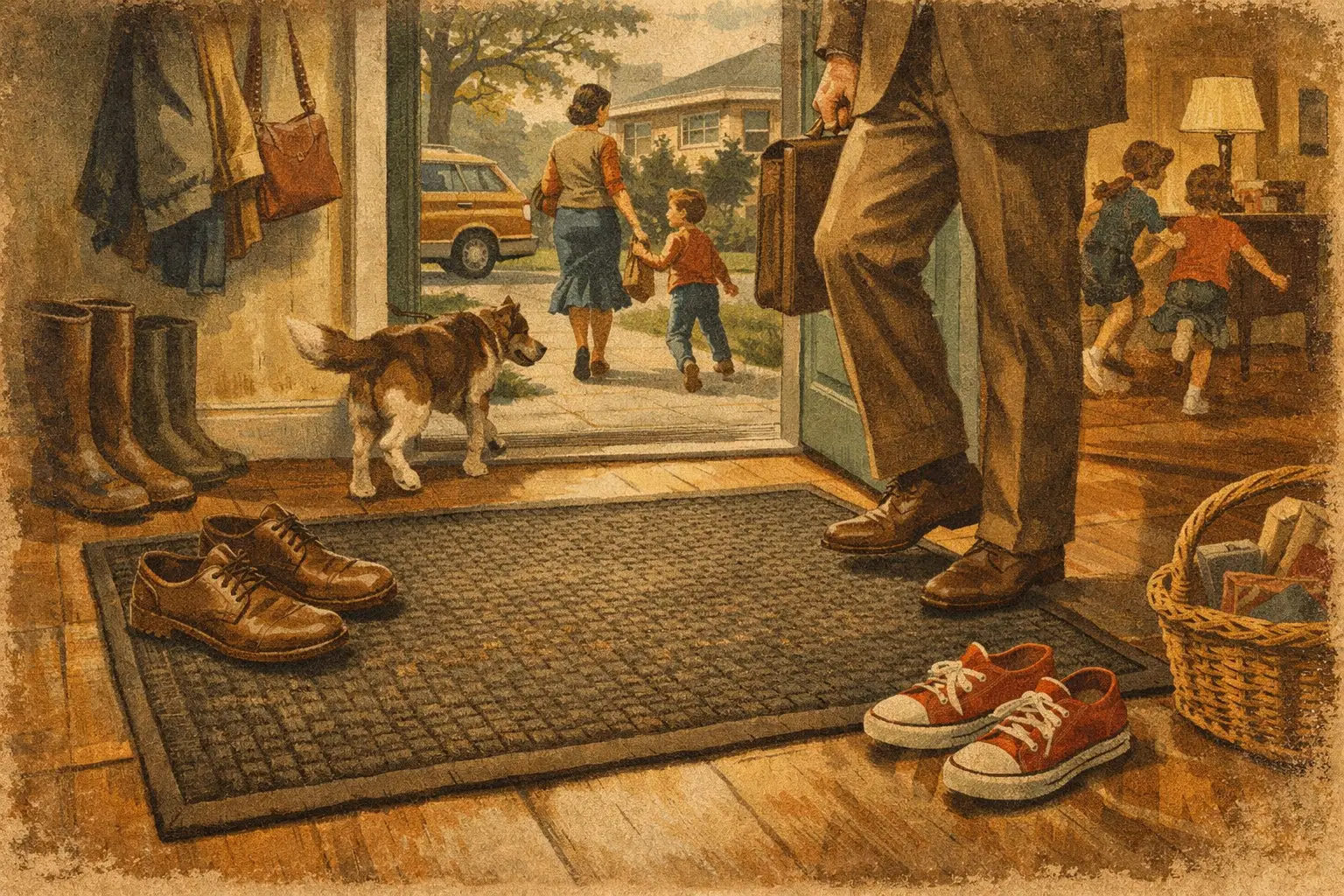
The front door tells the truth about a home. If your entry sees kids running in from the yard, dogs tracking in sand, guests coming through all weekend, or wet shoes piled near the threshold, a flimsy mat will show its limits fast. The right entry mat for heavy traffic does more than sit there and look nice. It needs to handle constant use, stay presentable, and make everyday cleanup easier.
That matters even more in places where outdoor living is part of daily life. On porches, decks, patios, boat steps, and beach house entries, a mat has to deal with sun, moisture, grit, and repeated foot traffic without turning into a soggy mess. A good-looking entry mat is nice. One that keeps working month after month is better.
Heavy traffic is not just about how many people step on a mat. It is the combination of repeated foot pressure, dirt abrasion, water exposure, and constant movement. In a busy household, mats wear down from all angles at once. Shoes grind in grit, pets add mess, and weather keeps the surface damp longer than it should be.
That is why so many standard mats fail early. Coir sheds. Fabric mats hold moisture. Rubber-backed mats can crack, curl, or trap debris underneath. Some look decent on day one but quickly flatten out in the spots that get used the most. Once that happens, the mat stops doing its job and starts making the entry look worn.
A true entry mat for heavy traffic should be built to keep its shape, resist moisture, and stay easy to clean. If it cannot do all three, it is probably not a long-term solution.
The first thing to pay attention to is material. For busy entryways, the best materials resist water instead of soaking it up. They should also hold their structure under repeated use. This is where woven synthetic rope has a real advantage outdoors. It does not behave like traditional fiber mats that stay damp and start looking tired after a season of hard use.
Construction matters just as much as the material itself. A loosely made mat can shift, spread, or lose its form over time. A tightly woven mat has more staying power and a more finished look. When a mat is handcrafted with durability in mind, that attention shows in daily use. It stays flatter, cleaner, and more dependable where people actually walk.
Drainage is another factor that gets overlooked. If a mat traps water, it creates extra problems instead of solving them. For outdoor entries and humid climates, you want a mat that sheds moisture and dries quickly. That helps reduce mildew concerns and keeps the entry feeling fresher.
Then there is maintenance. In a heavy-use area, easy cleaning is not a bonus. It is part of the value. A mat that can be shaken out, rinsed off, or washed without fuss is simply more practical than one that needs careful treatment. The easier it is to clean, the more likely it is to keep looking good.
A lot of homeowners buy a mat based on appearance first, then deal with the disappointment later. The issue is not that style does not matter. It absolutely does. A mat frames the entry and helps create a warm first impression. But for a front door that gets real use, style has to come with performance.
This is especially true in Florida and other coastal or warm-weather settings. Heat, humidity, rain, and sandy shoes can wear out ordinary mats fast. A mat that looks great in a catalog may not hold up on a sunny porch or near a pool deck. If the color fades too quickly, the surface stays wet, or the weave breaks down, curb appeal drops in a hurry.
An outdoor-ready mat should be made for exposure, not just occasional use. It should handle sun, resist staining, and keep its clean coastal look without constant upkeep. That is the difference between a mat that decorates an entry and one that actually supports how the space is used.
There is always some give-and-take when choosing an entry mat. Very soft mats can feel comfortable underfoot, but they often hold onto water and dirt. Tougher mats may not have that plush feel, but they tend to last longer and perform better outside.
For heavy traffic areas, durability should usually win. That does not mean the mat has to look industrial or harsh. It means choosing something with structure and resilience instead of something that behaves more like indoor décor. A well-made woven rope mat, for example, gives you texture and visual appeal while still standing up to repeated use.
If your entry is covered and sees mostly dry shoes, you may have more flexibility. But if you are dealing with open-air exposure, pets, kids, or frequent guests, it makes sense to choose the mat that can handle the mess without becoming part of it.
Front entryways are the obvious place, but they are not the only ones. Back doors often see even more daily wear, especially in family homes where people move in and out from patios, yards, and garages. These areas collect mud, grass, sand, and water quickly, so the mat has to work harder.
Deck and porch doors also benefit from a mat that can take repeated use without looking beaten up. The same goes for lake houses, beach properties, and vacation homes where traffic comes in waves. A mat may sit quietly for part of the week, then handle nonstop use when family and guests arrive.
Boats and RVs are another good example. In those settings, space matters, moisture is constant, and easy maintenance is essential. A heavy-duty mat that dries quickly and keeps its shape is a smarter fit than anything absorbent or delicate.
There is a reason handcrafted mats continue to stand out in a market full of mass-made options. Better craftsmanship usually shows up in the details people notice over time, not just on the first day. The weave stays tighter. The shape holds. The mat keeps a more finished appearance even after regular use.
For homeowners who want something that works hard without looking cheap, this matters. A handcrafted mat feels intentional. It supports the style of the entry while delivering the kind of durability busy households need. That balance is exactly why many customers move away from disposable mats and choose a longer-lasting option instead.
At Lobster Rope Doormats of Florida, that practical approach is part of the appeal. A mat should look good at the door, but it should also be ready for wet feet, muddy paws, bright sun, and everyday traffic without constant replacement.
A heavy-duty mat does not need to be plain. In fact, the best ones improve the appearance of the entry because they stay neat and hold their color better over time. That is a big part of long-term value. A mat that still looks clean and well-made after months of use is doing more for the space than one that looked good for two weeks.
For coastal homes, rope mats offer a natural fit. They bring in texture and color without feeling fussy. On traditional homes, they add a polished but relaxed touch. On boats, patios, and RVs, they feel right at home because they are practical by design.
Size also matters. A mat that is too small can look out of place and miss the area where people actually step. For a heavy-use entry, choose a size that gives people room to land, wipe, and move through the door comfortably. That creates a cleaner path and a better visual balance at the entrance.
The best test for any entry mat is simple. Does it reduce hassle, or add to it? In a busy home, you want a mat that helps keep the entry tidy, rinses clean easily, and keeps looking pulled together with very little effort. If you are constantly shaking out trapped debris, waiting for it to dry, or thinking about replacing it again, it is not the right mat.
A well-made entry mat for heavy traffic earns its place every day. It handles mess without holding onto it. It brings a clean, finished look to the door. And it keeps up with the pace of real life, whether that means sandy flip-flops, work boots, dog paws, or a steady stream of visitors.
Choose the mat that works as hard as your entry does, and the whole space feels better the moment you walk up to the door.

Doormats designed to look better, last longer, and clean easier.
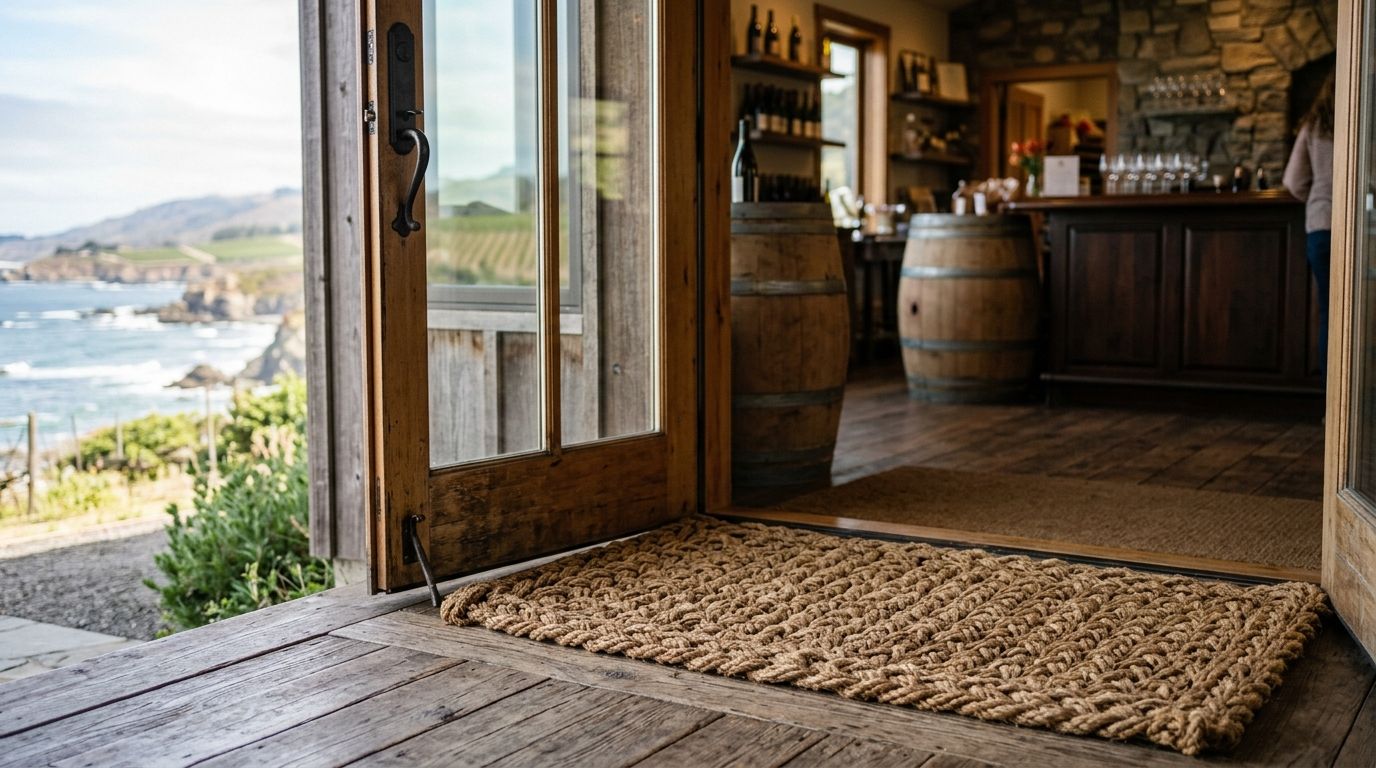
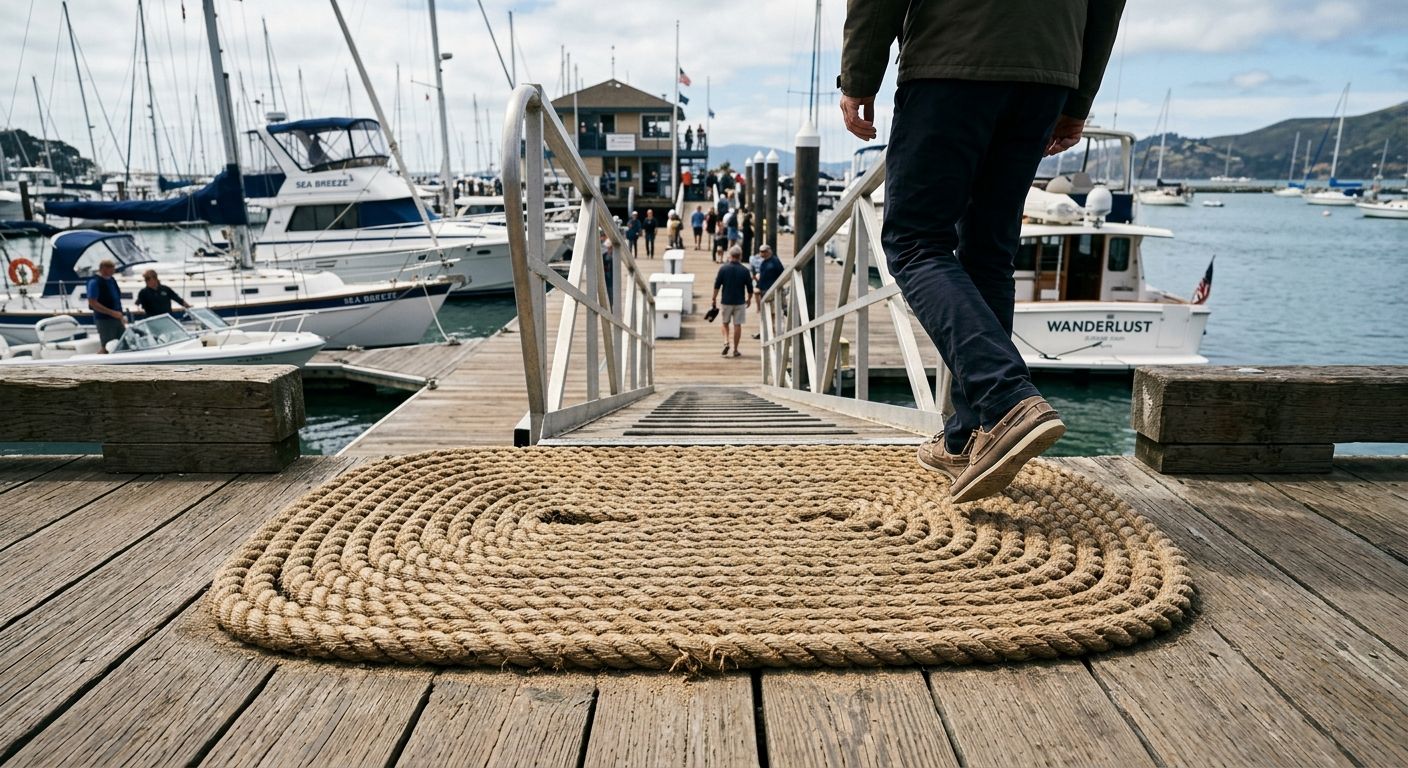
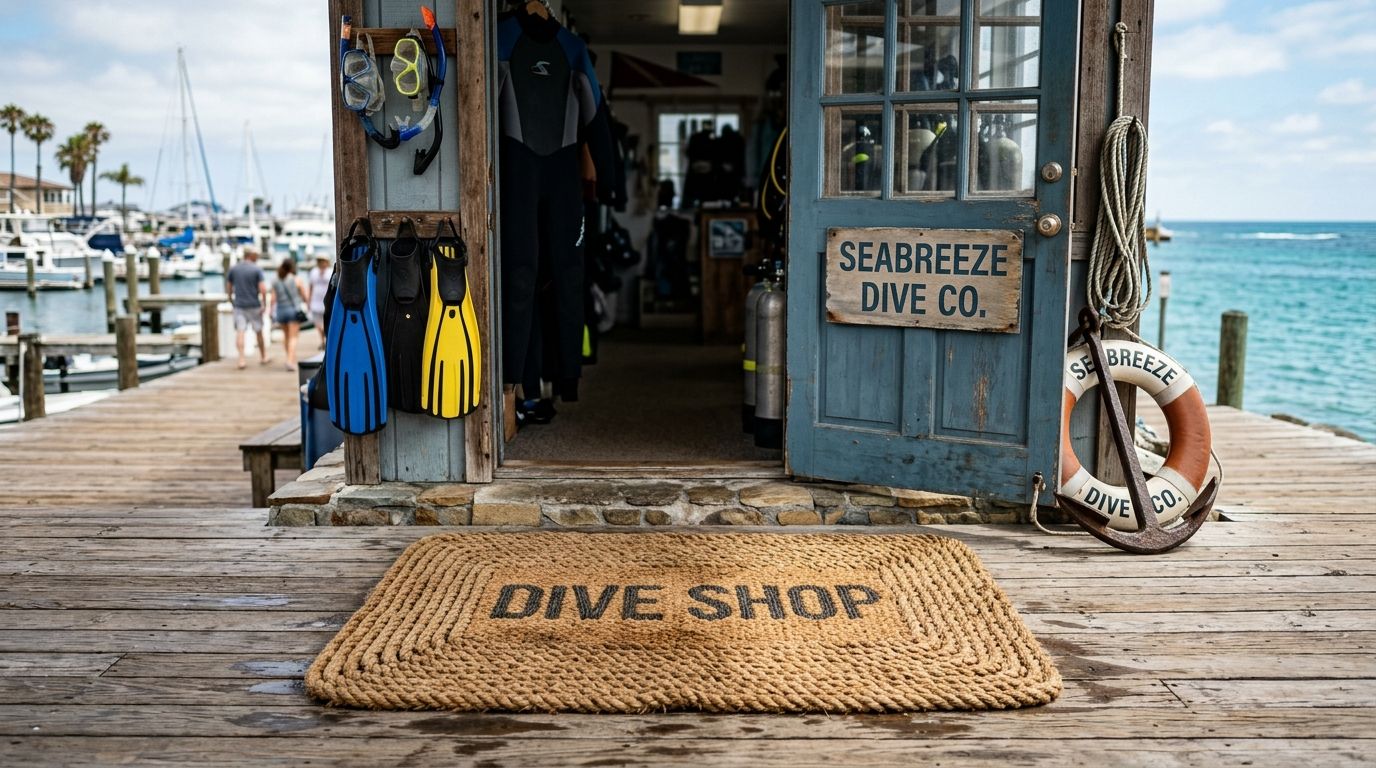
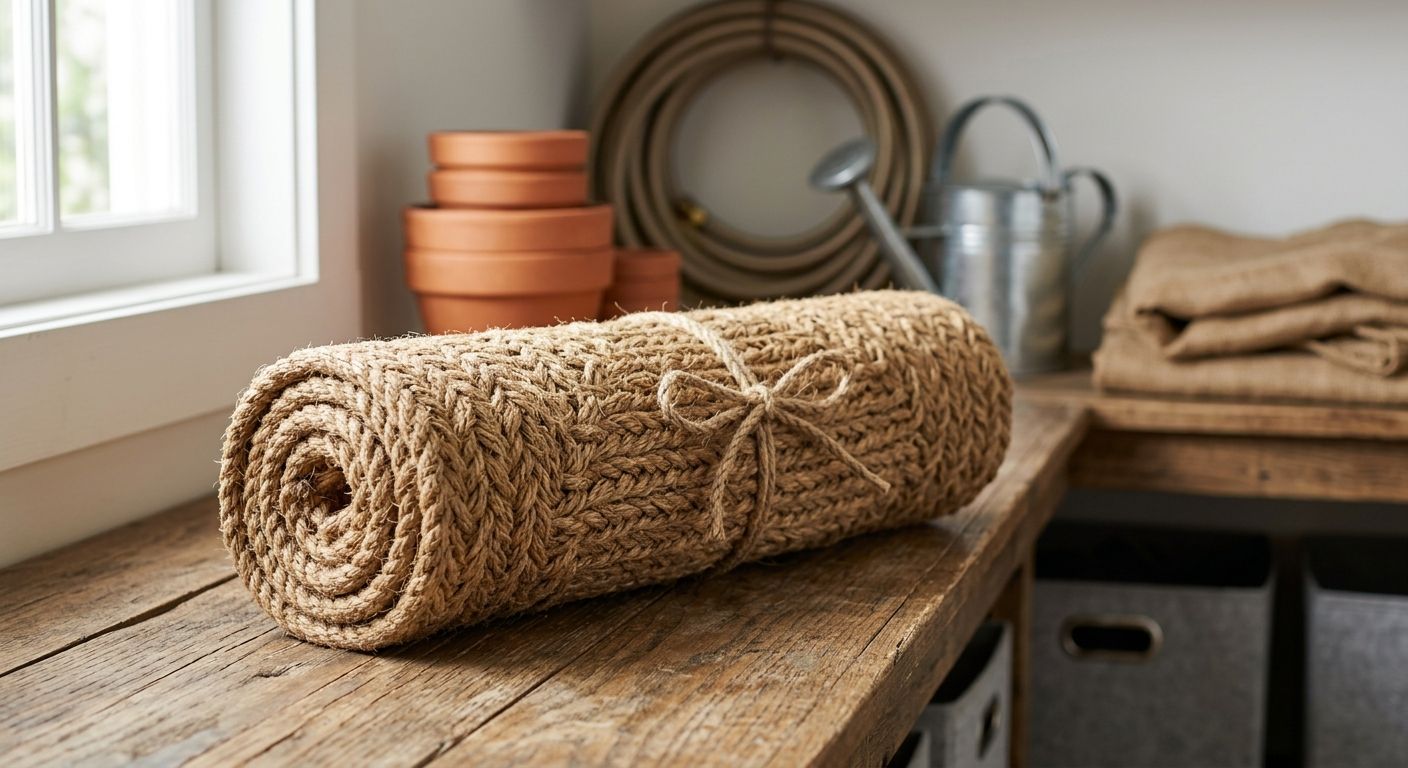
Handmade lobster rope doormats crafted for outdoor durability, easy care, and a warm first impression. Designed for porches, patios, entryways, decks, boats, and RVs across the USA
Copyright © 2026 All Rights Reserved.