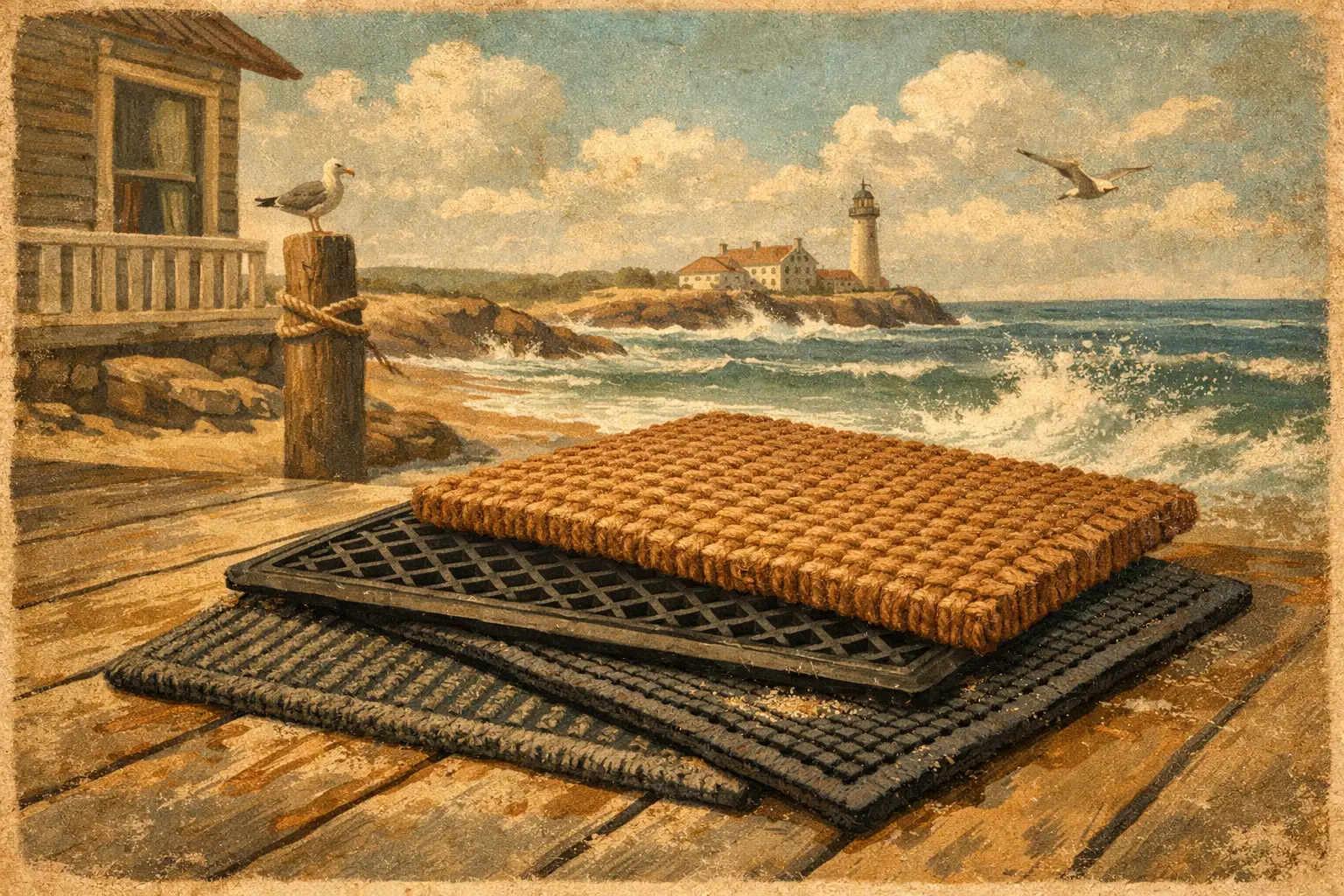

A mat can look perfectly fine on the porch and still be doing the exact wrong job after a rainstorm. If you have ever stepped onto a soggy doormat, tracked dampness inside, or noticed mildew forming underneath, you have probably asked yourself: do outdoor mats hold water? The honest answer is that some absolutely do, and the difference usually comes down to material, construction, and where the mat is being used.
For busy entryways, patios, decks, boats, and RV setups, that matters more than most people realize. A mat that traps water can stay wet for days, collect debris, develop odors, and make the area around your door feel less clean instead of more welcoming. A mat that sheds moisture well is easier to live with, easier to clean, and better suited to real outdoor use.
It depends on what the mat is made of. Traditional outdoor mats made from dense fibers, foam-backed layers, or heavily absorbent materials tend to hold water. They can soak up rain and humidity like a sponge, then dry slowly, especially in shaded areas or humid climates.
Other outdoor mats are built to let water pass through or move off the surface quickly. Open-weave construction, non-absorbent materials, and elevated texture all help reduce moisture retention. That is what you want if your goal is a cleaner, lower-maintenance entryway.
This is why two mats can sit side by side after the same storm and perform very differently. One stays heavy and damp. The other dries faster and keeps the space looking tidier.
Outdoor moisture does not only come from rain. Morning dew, lawn sprinklers, pool traffic, wet shoes, coastal humidity, and everyday grime all add up. If a mat is designed to absorb instead of release moisture, it can become a holding spot for water day after day.
The biggest problem materials are usually ones that feel soft and plush but are not truly outdoor-friendly. Coir can be popular for looks, but it often stays damp longer than people expect and tends to break down over time. Some fabric-faced mats with rubber or foam backings can also trap moisture underneath, especially if they sit on concrete or wood that does not get much airflow.
Even mats marketed for outdoor use are not all equal. Some are fine for a covered front door but not for an exposed porch, dock, or poolside setup. That distinction is worth paying attention to, especially in warm, wet climates where moisture lingers.
If you are trying to avoid a soggy mat, the first thing to look at is what the mat is made from. Natural fibers can look appealing, but many hold moisture more easily and require more upkeep. Dense synthetic blends vary widely. Some are designed for scraping dirt only, while others are built to handle wet conditions.
Non-absorbent rope-style mats tend to perform better because the fibers themselves do not act like a sponge. When the weave is open and breathable, water is less likely to pool inside the mat. Instead, it can move through the structure or evaporate more quickly from the surface.
That is one reason handcrafted lobster rope mats have become such a practical choice for outdoor living spaces. The material is built for wet environments, and the woven construction helps reduce the moisture-trapping issues that plague many standard doormats. For homeowners who want a clean coastal look without the constant dampness, that combination makes sense.
When people ask, do outdoor mats hold water, they are often really asking whether the mat will stay wet and create extra work. Material is part of the answer, but construction matters just as much.
A tightly packed mat with a solid backing can hold onto water even if the top layer itself is fairly durable. Moisture gets trapped between fibers or underneath the mat, where airflow is limited. That can lead to mildew, discoloration on the surface below, and that clammy feeling nobody wants at the front door.
An open-weave mat behaves differently. Because there is more space between the woven sections, water can move through rather than collecting inside. Air can circulate more freely, which helps the mat dry faster after storms or daily use. That is especially useful on porches, decks, and pool areas where wet feet are part of normal life.
In a dry climate, a moisture-holding mat may still dry out eventually. In Florida and similar coastal regions, eventually can take a while. Humidity slows the drying process, afternoon rain is common, and shaded entryways often stay damp longer than homeowners expect.
That is why moisture performance is not a small detail in these areas. A mat that holds water can quickly become a nuisance. It may flatten, collect sand and organic debris, or create a musty smell under regular outdoor conditions. On wood decks, it can also keep the surface beneath it wetter for longer, which is not ideal for long-term care.
A better outdoor mat should be able to handle wet weather without turning into a maintenance project. That means resisting saturation, drying reasonably fast, and staying easy to rinse off when dirt builds up.
The simplest way to shop smarter is to think less about softness and more about performance. A good outdoor mat should look attractive, but it should also suit the conditions around your home.
Look for a mat with non-absorbent materials, breathable construction, and a shape that stays stable without relying on thick, moisture-holding layers. It also helps if the mat is easy to hose off, since outdoor mats naturally collect sand, mud, leaves, and everyday foot traffic.
If your space gets full sun, heavy rain, pet traffic, or frequent use, durability matters too. Some mats may shed water well at first but break down quickly under real household conditions. The best outdoor mats balance drainage, resilience, and appearance so you are not replacing them every season.
Not always. Water-resistant can mean different things, and it does not automatically mean a mat will perform well outdoors. Some mats resist water on the surface but still trap it underneath. Others may repel rain but become slippery or less effective at catching debris.
The best choice depends on where the mat will live. A covered front porch has different needs than an uncovered back deck. A boat or RV entry may need something lightweight, washable, and quick-drying. A family home with kids and dogs may need a mat that can handle repeated mess without looking tired.
That is where practical design matters. A mat should not just survive outdoors. It should make outdoor living easier.
For homeowners who are tired of replacing soggy, worn-out mats, rope mats offer a clear advantage. They are designed to handle moisture without becoming heavy or waterlogged, and they maintain a polished look through everyday use. That makes them a smart fit for front entries, sliders, porches, patios, and other spaces where appearance and performance both matter.
At Lobster Rope Doormats of Florida, that balance is the whole point. A handcrafted rope mat gives your entry a warm first impression, but it also holds up to wet weather, busy households, pets, and constant traffic without trapping moisture the way many traditional mats do.
If you have been asking whether outdoor mats hold water, the better question might be this: does your mat work with your outdoor space, or against it? The right one should help your home feel cleaner, drier, and easier to maintain every day.

Doormats designed to look better, last longer, and clean easier.


Handmade lobster rope doormats crafted for outdoor durability, easy care, and a warm first impression. Designed for porches, patios, entryways, decks, boats, and RVs across the USA
Copyright © 2026 All Rights Reserved.