Gated beach communities run on rules most other neighborhoods never think about: HOA color palettes, shared walkways, salt spray rolling in off the water every afternoon, and sand that migrates from the beach to your welcome mat within a week of move-in. Picking an outdoor entryway mat for gated beach community living means solving all four of those problems at once, not just picking something that looks coastal.
HOA boards in gated beach communities reject more doormats than any other exterior item on their compliance checklist, and it's rarely about the mat itself — it's material breakdown. A mat that curls, molds, or bleeds color onto a shared walkway within a year becomes a complaint, and complaints become a fine. Choosing the right entryway mat once, in 2026, saves a resident from re-litigating the same purchase every spring.
This guide is for homeowners and condo owners inside gated beach communities — oceanfront condo buildings, private beach subdivisions, and HOA-governed coastal developments — who need an entryway mat that clears design review, survives salt air, and doesn't drag sand past the threshold. If you're weighing options at Lobster Rope Doormats of Florida, you're likely dealing with a shared walkway, an HOA color guideline, and guests or renters tracking sand daily.
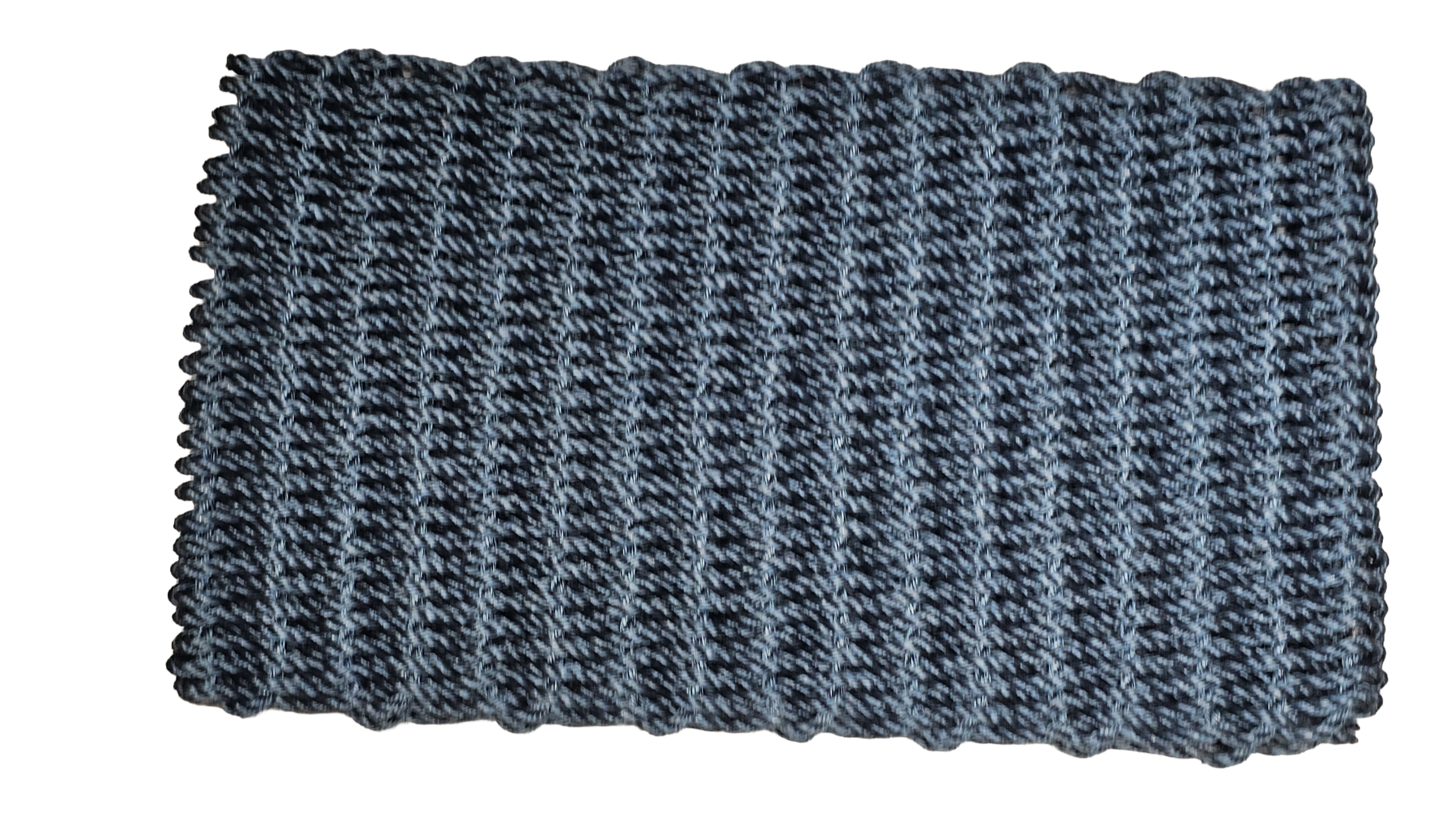
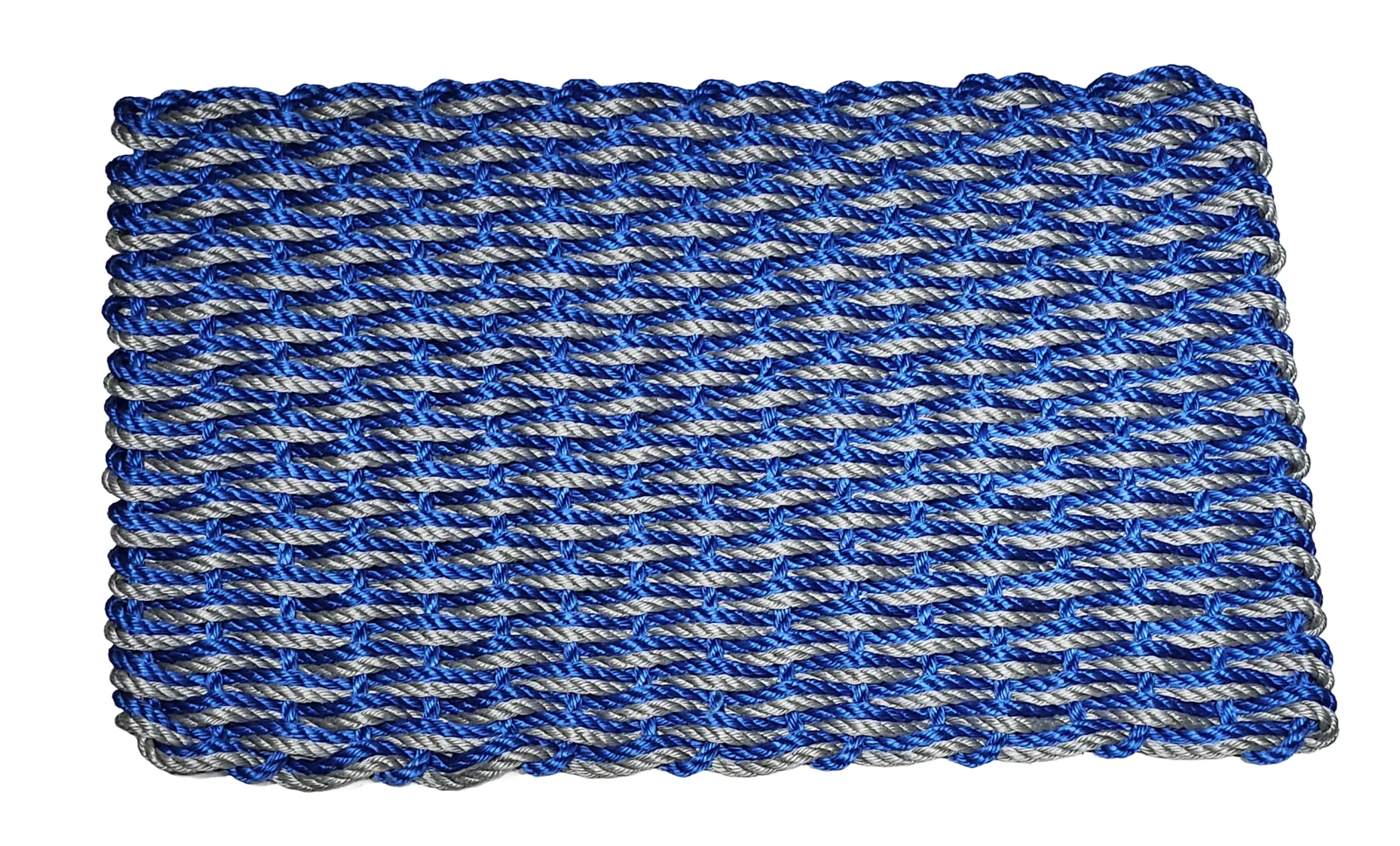
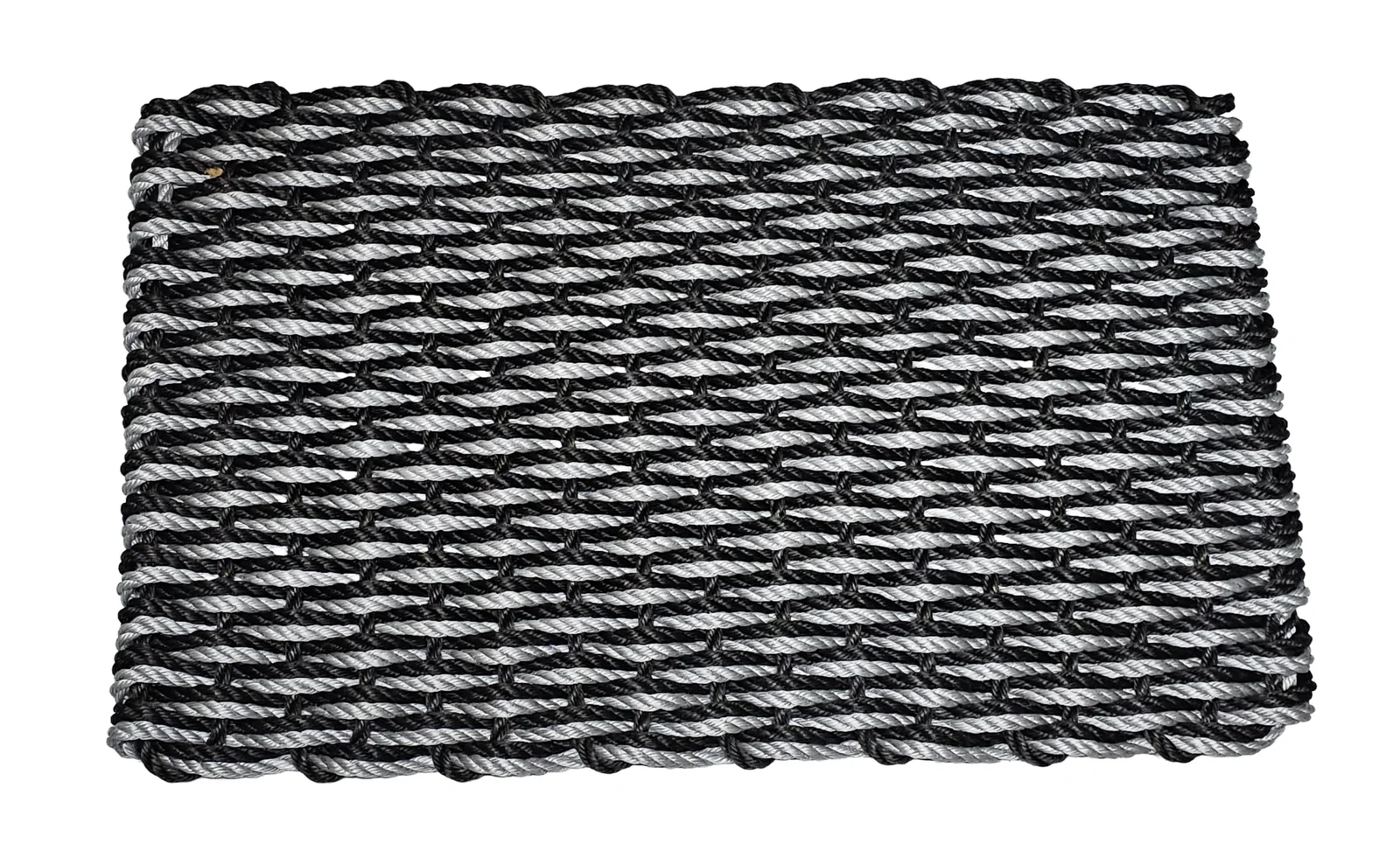
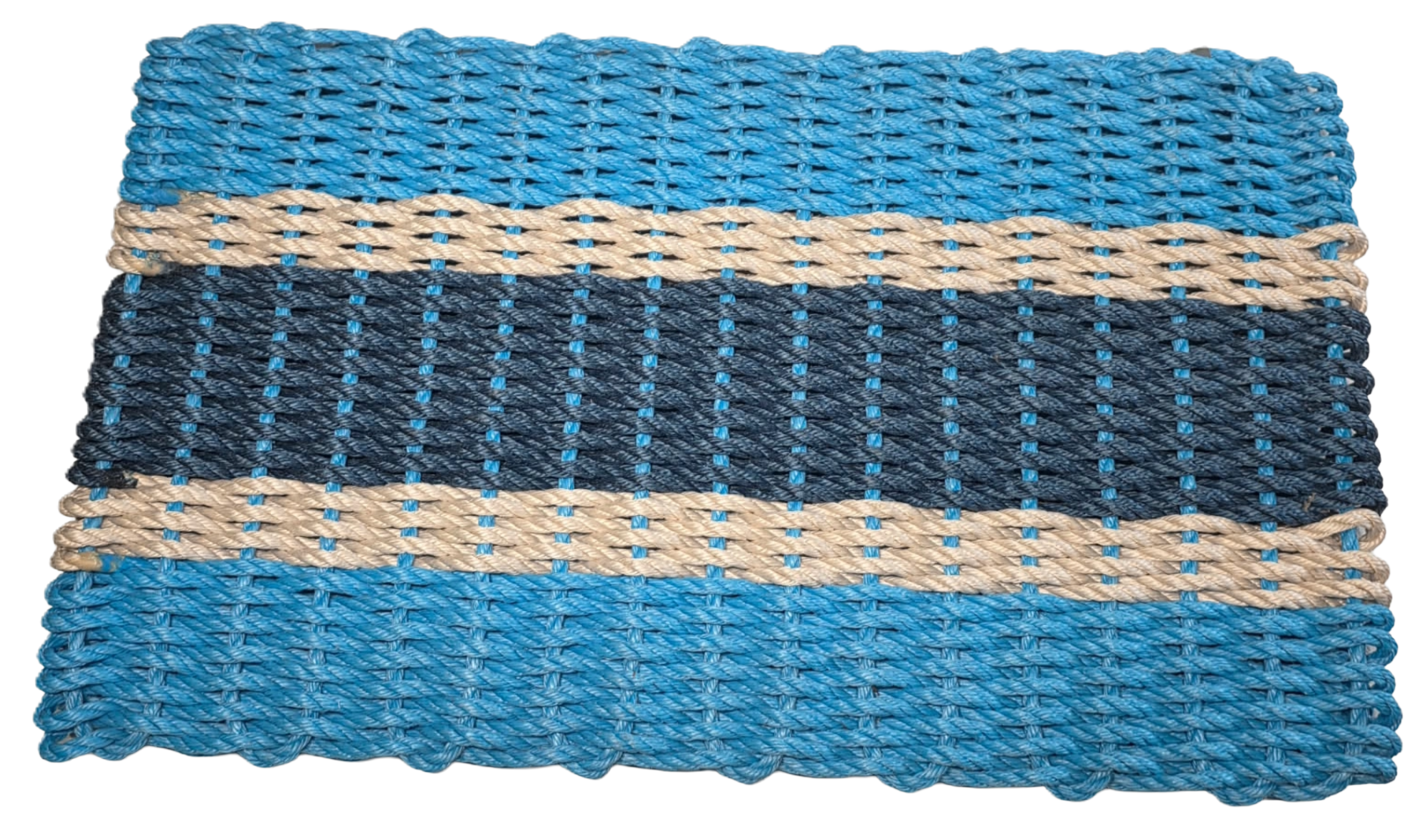
Most gated beach HOAs restrict exterior items to a narrow palette — navy, tan, gray, or white — to keep shared entries looking uniform. A rope doormat in a muted tone clears review faster than a printed welcome mat with slogans or bright graphics, because it reads as a functional accessory rather than decor.
Coastal air carries salt that eats through untreated fibers and cheap synthetic backing within a single season. A doormat rated for salt air climates needs rope construction that doesn't absorb moisture the way coir or jute does, and dye that resists fading under direct Florida sun.
A tight, closed weave holds sand on the surface instead of letting it sift through to the concrete or tile below. Loose braided weaves let sand fall through and build up underneath, which turns into a gritty mess every time someone drags a chair or opens the door wide.
Condo entries and gated-community porches are often narrower than single-family front doors. A mat sized wrong either looks sloppy on a shared walkway or fails to catch foot traffic before it reaches the door — getting the width right matters more here than in a standalone house.
Coastal breezes and storm gusts common to Florida's gated beach developments will flip a lightweight foam mat across a walkway. A heavier, densely woven rope mat stays put through normal wind without tape, grip pads, or weights.
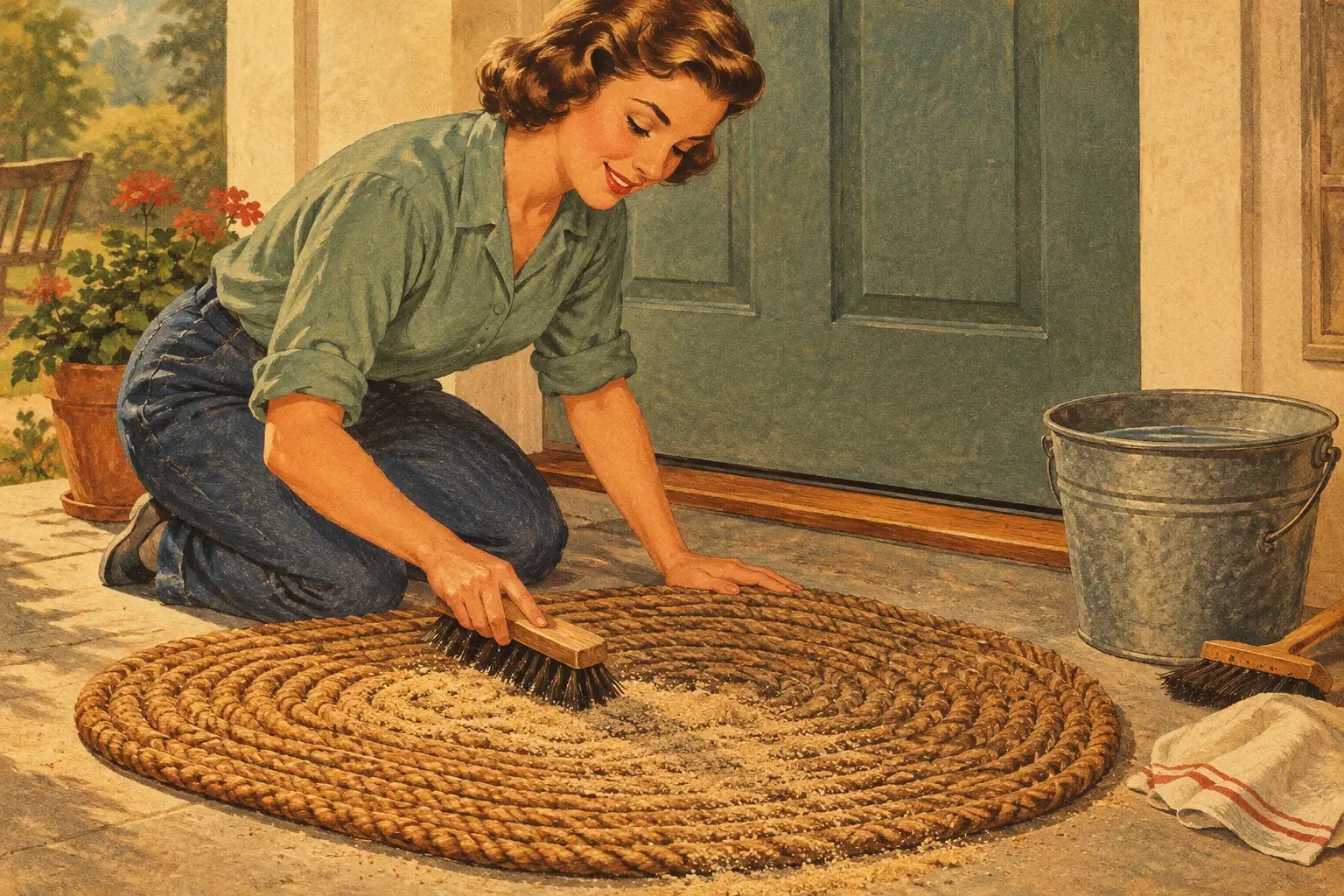
Renters, guests, and daily beach traffic mean an entryway mat gets dirty fast. A mat that can be shaken out and rinsed with a hose in under five minutes keeps a shared entrance presentable without a scrub brush and a Saturday afternoon.
The HOA-safe pick: solid navy or light tan rope mat
Navy and light tan pass nearly every HOA design review without a second look. One color line at Lobster Rope Doormats of Florida ships in over 20 rope color combinations, but the single-tone neutrals are the ones that never trigger a compliance email. Backed by a 10-Year Replacement Guarantee, this is the low-risk default for shared entries. Buy.
The condo balcony fit: sized for narrow oceanfront entries
Oceanfront condo doors and balcony entries run narrower than a typical front door, and a mat cut too wide looks wrong wedged against a railing. Guidance built specifically for entryway mats for oceanfront condos covers the width adjustments that keep a rope mat proportional to a balcony-style entrance. Buy.
The sand-heavy entry pick: tight weave for beach-adjacent walkways
Entries within a block of the sand line deal with a different volume of grit than a lakefront or inland porch. The tighter, denser weave profiled in durable doormats for sandy beach entries holds more sand on the surface before a shake-out is needed. Consider if your unit sits within direct beach access — otherwise a standard weave is enough.
The wildcard: multi-stripe color combinations
Stripe patterns like 3 Black 2 Yellow or 2 Navy 1 Burgundy stand out against a solid concrete walkway and work well on a private, non-shared entry that isn't subject to HOA color review. On a shared clubhouse or lobby entrance, though, the same pattern is the one most likely to draw a compliance note. Consider for private units, Skip for common-area entries.
| Pick | HOA-friendly | Salt/UV resistance | Sand-shedding | Verdict |
|---|---|---|---|---|
| Solid navy/tan rope mat | High | High | Moderate | Buy |
| Condo-fit narrow rope mat | High | High | Moderate | Buy |
| Tight-weave sand mat | Moderate | High | High | Consider |
| Multi-stripe color mat | Low (shared entries) | High | Moderate | Consider/Skip |
| Coir/rubber-backed mat | Varies | Low | Low | Skip |
Color and weave choice do the heavy lifting here — once you've settled on choosing a rope doormat color that fits your HOA's guidelines, the rest of the decision comes down to weave tightness and size.
What’s the best outdoor entryway mat for a gated beach community?
A handwoven lobster rope doormat in a neutral navy, tan, or gray tone is the best outdoor entryway mat for a gated beach community in 2026. It clears most HOA color reviews, resists salt air, and holds up on shared concrete walkways better than coir or rubber-backed mats.
Will an HOA allow a rope doormat at a condo entrance?
Most gated-community HOAs approve rope doormats in neutral colors without objection, since they read as functional rather than decorative. Bright multi-stripe patterns are more likely to draw a compliance note on shared walkways or lobby entrances.
How do you keep sand out of a beach community entryway?
A tight, densely woven rope mat holds sand on the surface so it can be shaken out instead of falling through to the walkway below. Rinsing the mat with a hose every week or two during peak beach season keeps sand from building up.
Is a lobster rope doormat better than a coir mat for salt air?
Yes, a lobster rope doormat outperforms a coir mat in salt air because coir absorbs moisture and starts molding within a season near open coastal entries. Rope construction sheds moisture and holds its shape longer under repeated salt exposure.
How often should you clean an outdoor entryway mat in a coastal climate?
Shake out a coastal entryway mat weekly and rinse it with a hose every two to three weeks during high beach traffic season. A quick rinse prevents salt residue and sand from building up in the weave.
What size doormat fits a condo or beach house door?
Condo and shared-walkway entries typically need a narrower mat than a standalone house door to avoid overhanging railings or shared pathways. Measuring the door width before ordering avoids a mat that looks oversized on a balcony entry.
Do rope doormats fade in direct coastal sun?
Quality rope doormats resist fading better than printed vinyl or foam mats, though all outdoor materials lighten gradually under direct Florida sun over multiple years. A 10-Year Replacement Guarantee covers this kind of wear on rope doormats from Lobster Rope Doormats of Florida.
How much does a durable rope doormat cost in 2026?
Solid-color lobster rope doormats run around $69.99 as of 2026, with some limited color combinations priced lower. That’s a one-time cost against mats that need replacing every season in coastal conditions.
The detail most residents miss during HOA review isn't color — it's backing. A mat with no rubber or vinyl backing at all sidesteps the moisture-trapping complaint that gets rope and coir mats pulled from shared walkways in the first place, and a lobster rope weave with no backing layer clears that hurdle by design in 2026.