A mudroom takes more abuse than any other entry point in the house — wet boots, sandy paws, salt-crusted flip-flops — and most doormats fold under that load within a season. This guide breaks down what actually holds up in a mudroom and which rope mats from Ropemats Florida are built for it.
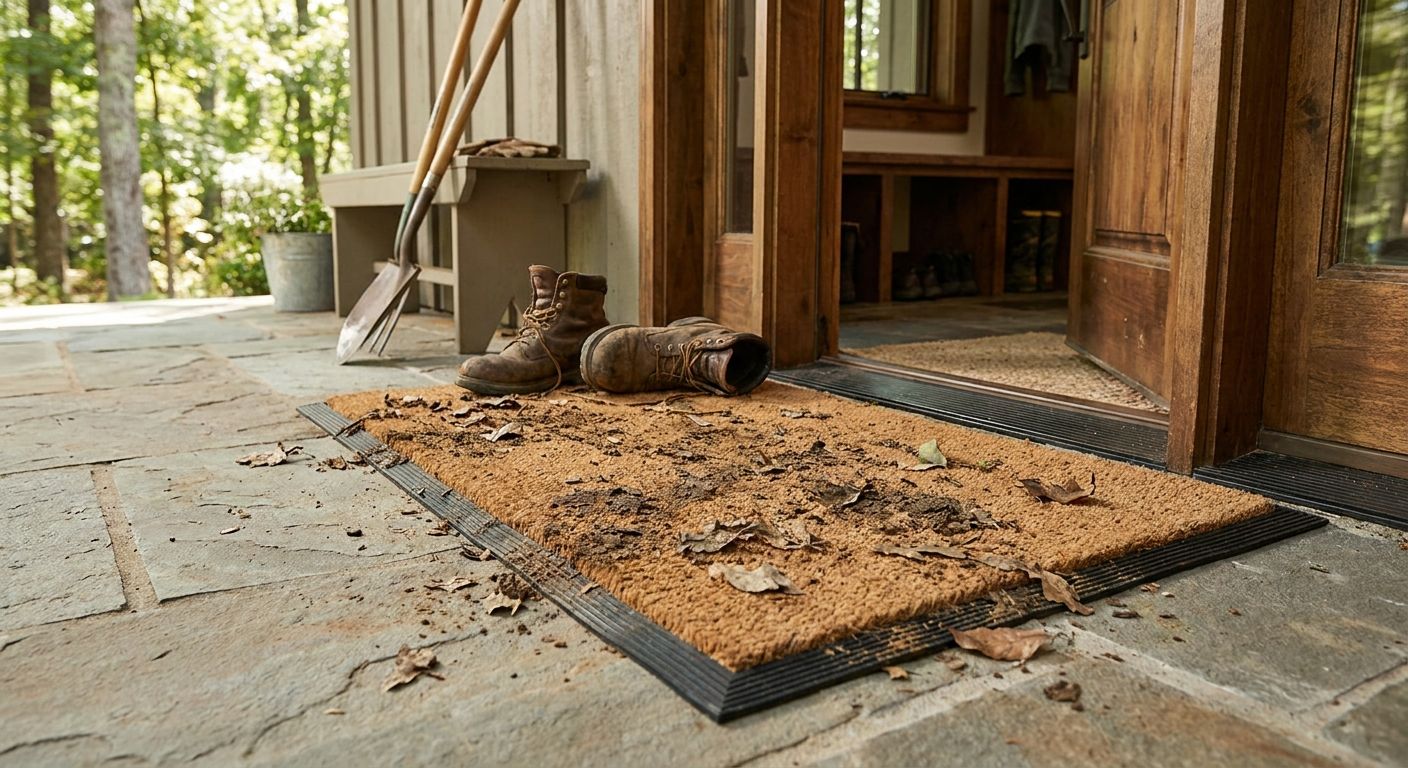
A mudroom doormat isn't decor — it's the first line of defense for your floors. If it can't shed water, sand, and mud fast, that mess ends up on hardwood or tile within a week. Cheap woven or coir mats look fine in a showroom but break down under daily boot traffic, and by year two you're replacing them every spring. A durable outdoor doormat for mudroom use has to survive standing water, freeze-thaw cycles in colder climates, and constant flexing without curling at the edges.
This guide is for homeowners with a mudroom, back entry, or garage-to-house transition that sees wet shoes, muddy boots, or sandy feet every single day — lake house owners tracking in dock water, beach house families rinsing off sand before they hit the kitchen, and anyone with dogs that come in wet after every walk. If your entry gets hosed off more than swept, keep reading. Sizing the mat right for your specific doorway matters just as much as the material — an undersized mat just pushes the mess six inches further into the house.
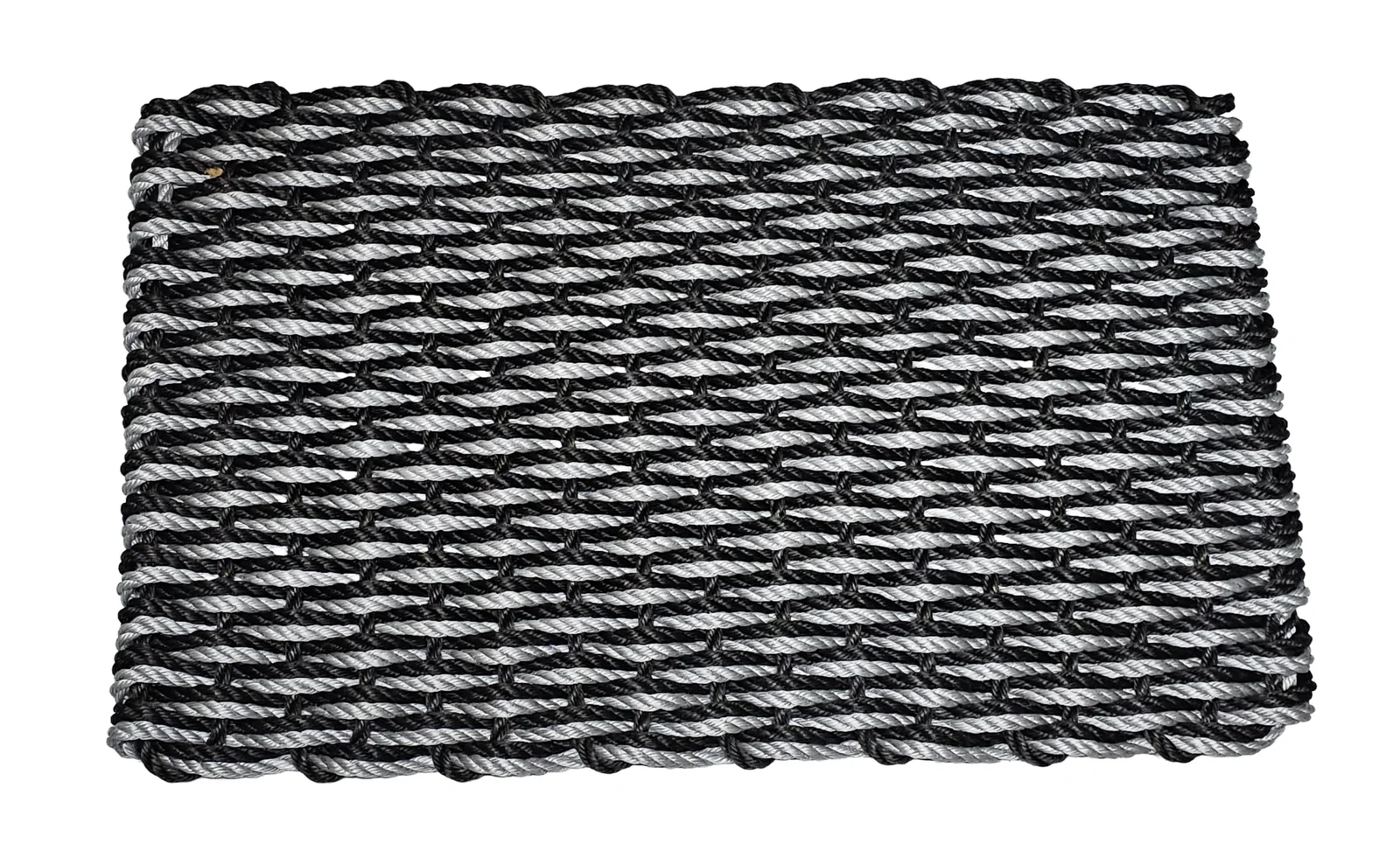
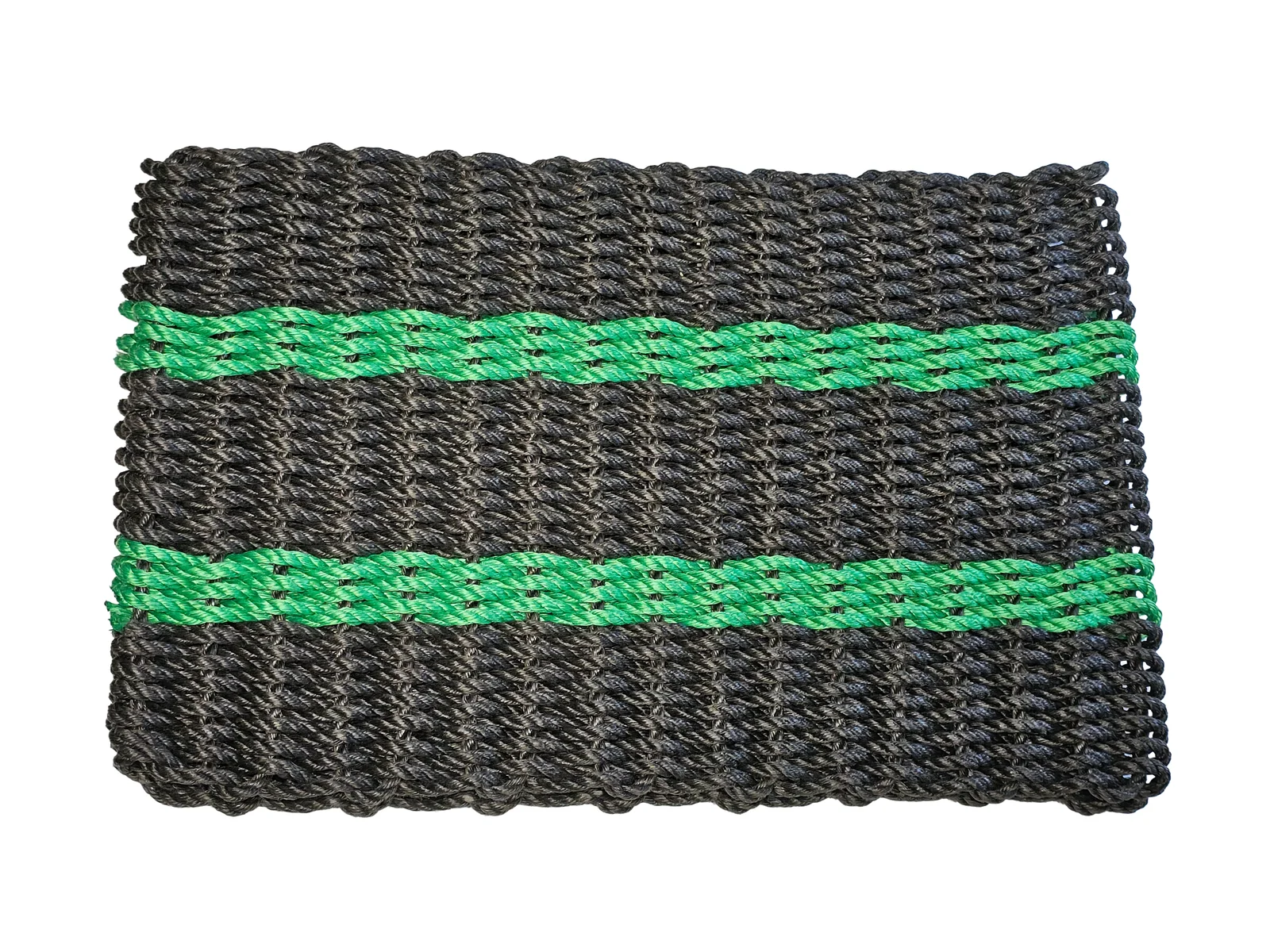
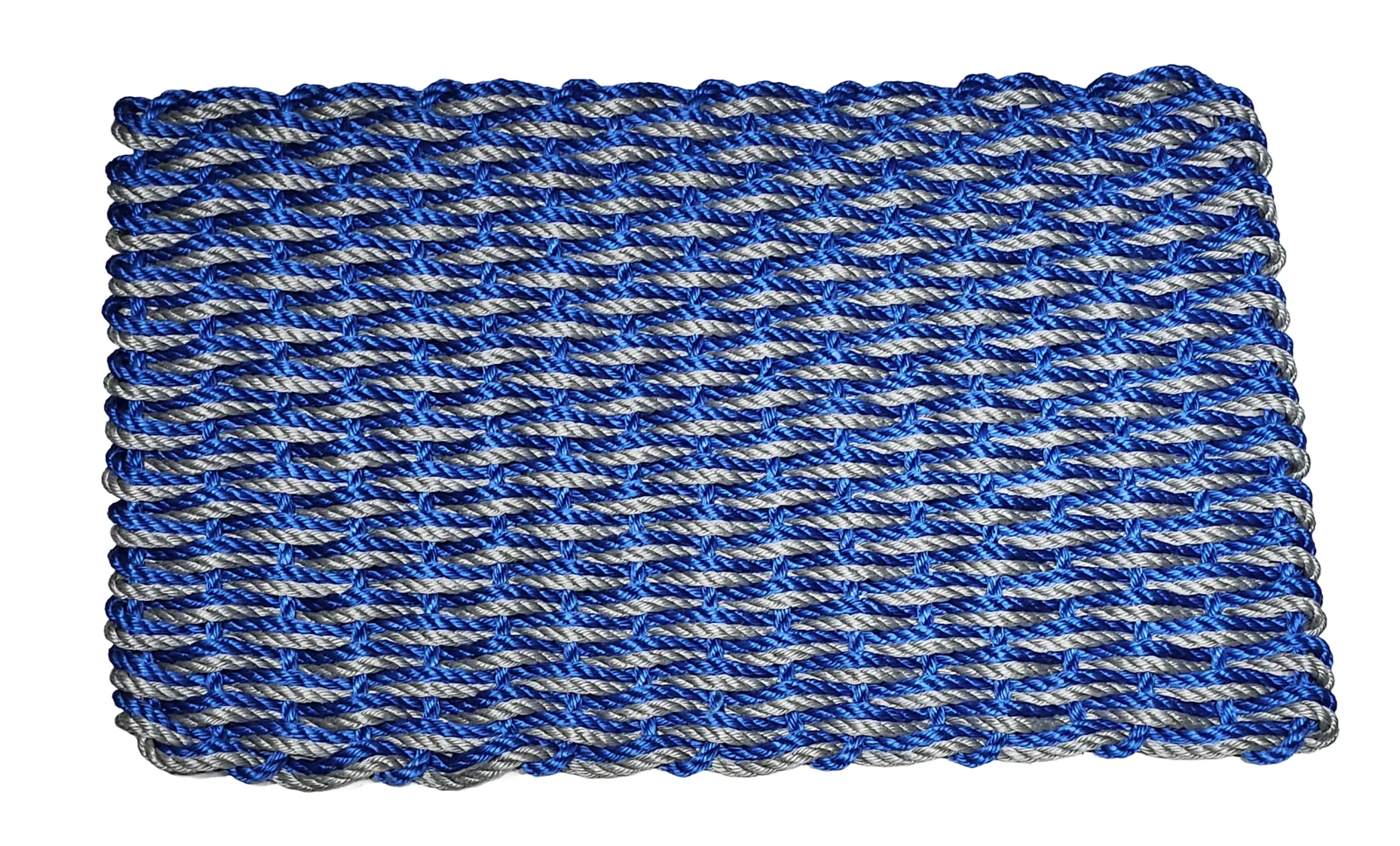
A loose or thin weave lets mud pack into the gaps and stay there. A tight, hand-laid rope weave — the kind used in lobster rope construction — flexes under boot pressure without opening up, so debris sits on the surface instead of grinding in.
Mudrooms exist because water and dirt need somewhere to stop before the house. A mat that absorbs water and stays soggy just moves the mudroom problem indoors. Rope construction sheds standing water instead of soaking it up, which matters most in rainy months and after a beach or dock day.
A mudroom mat that's too small leaves a mud ring around its edges. Measure your actual traffic path — not just the doorway — before picking a size, since most mudroom failures come from an undersized mat, not a bad material.
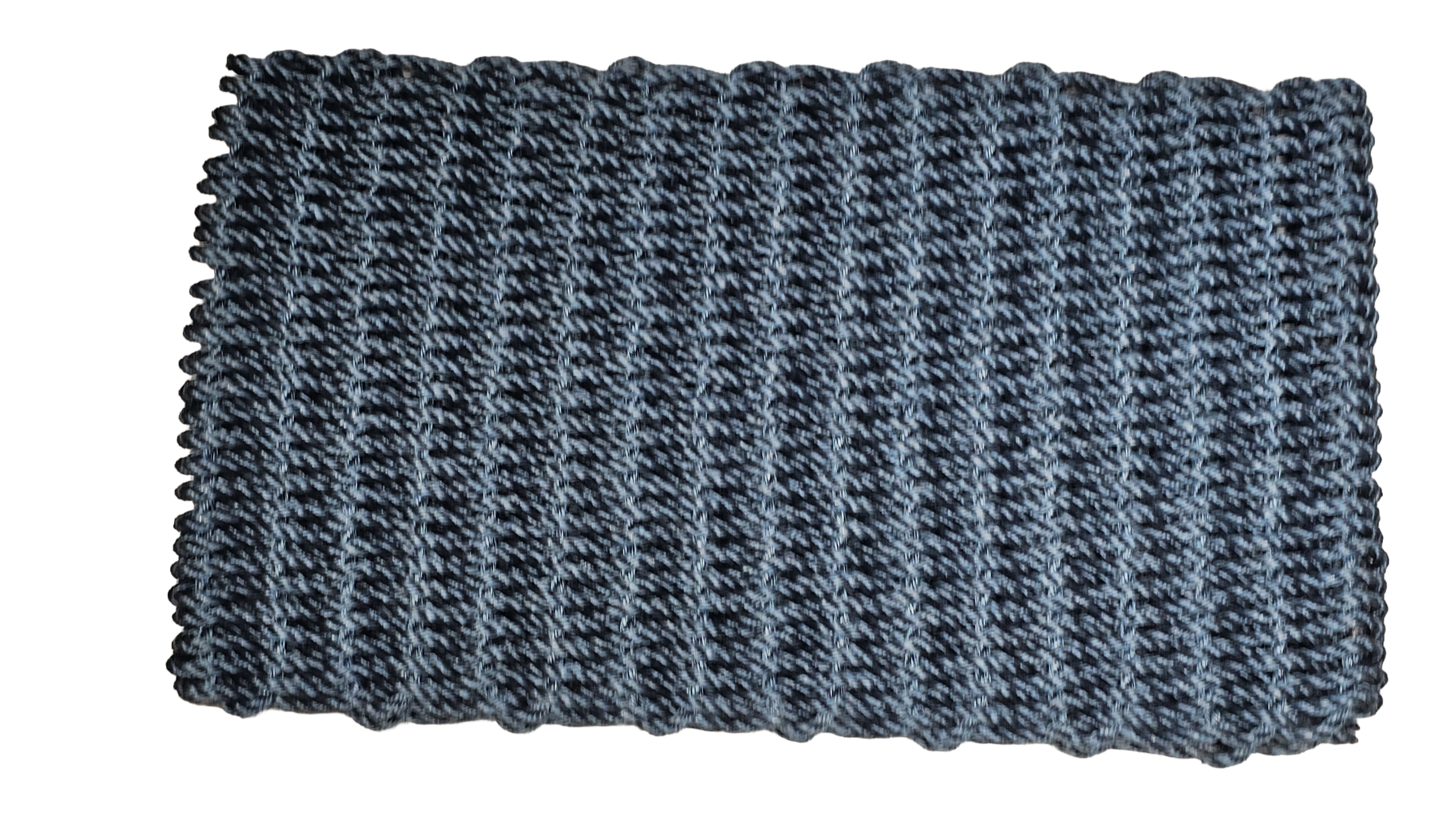
Light tan and white weaves look coastal in photos but show every muddy paw print within a week. Darker stripe combinations — navy, black, burgundy — hide the day-to-day grime that a mudroom mat is designed to catch.
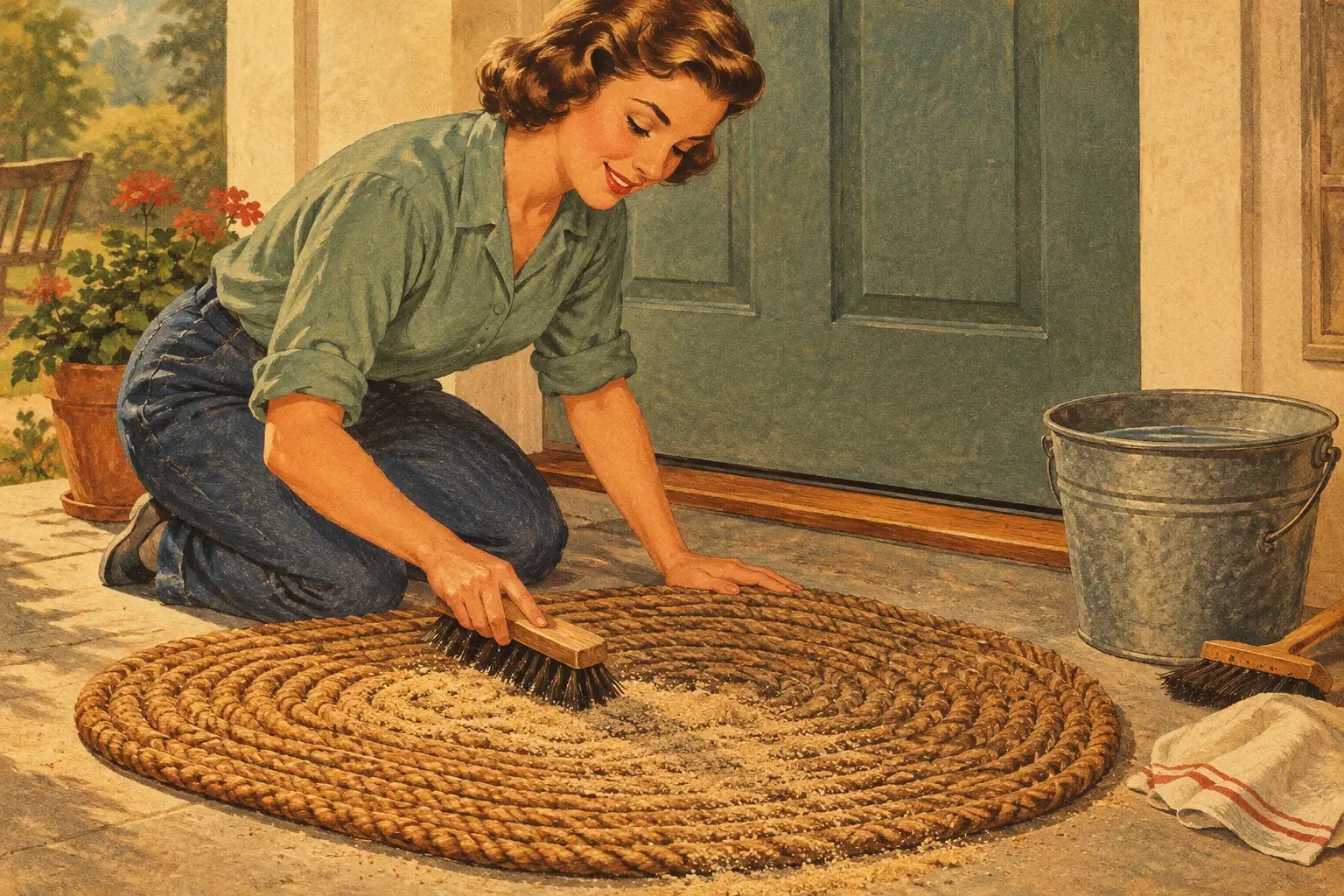
A mudroom mat needs a five-minute reset, not a scrub session. Rope weaves shake out sand and loose mud in seconds and rinse clean with a hose, no detergent required for routine upkeep.
The Beach House Mudroom Pick. If your mudroom catches sand before it catches mud, the sandy-entry rope mats are built around a weave gap wide enough to drop sand through rather than trap it on the surface. One spec that matters here: the open lay-flat weave lets sand fall through instead of grinding into the rope fibers, which is the difference between a mat that lasts one summer and one that lasts into 2026 and beyond. Buy.
The Lake House Mudroom Pick. Dock water, algae, and constant humidity call for a mat that dries fast between soakings. Rope doormats built for lake houses use the same hand-laid rope that resists mildew better than woven cotton or coir blends, backed by the 10-Year Replacement Guarantee that covers daily lake-to-mudroom traffic. Buy.
The RV and Camper Mudroom Pick. Small entry steps need a mat that grips concrete or metal steps without sliding, and doesn't hold water against a narrow threshold. Doormats built for RV entry steps run a compact footprint that still sheds mud fast — good for a mudroom-style entry that's tighter than a standard front door. Consider if your space is under 24 inches wide; otherwise size up with a standard mat instead.
“If a mat can’t shed sand and rinse clean in under five minutes, it doesn’t belong in a mudroom.”
| Pick | Best for | Weave style | Verdict |
|---|---|---|---|
| Sandy-entry rope mat | Beach house mudrooms | Open, sand-through weave | Buy |
| Lake house rope mat | Dock-to-door traffic | Dense, mildew-resistant | Buy |
| RV entry step mat | Compact steps under 24" | Tight, low-profile weave | Consider |
| Coir doormat | Nothing in a mudroom | Loose fiber | Skip |
| Rubber-backed woven mat | Nothing in a mudroom | Sealed backing | Skip |
What’s the best durable outdoor doormat for a mudroom?
A tightly woven lobster rope doormat is the best durable outdoor doormat for a mudroom because it sheds water and mud instead of absorbing them. Rope mats from Ropemats Florida carry a 10-Year Replacement Guarantee for exactly this kind of daily traffic.
Is a rope doormat better than a rubber-backed mat for a mudroom?
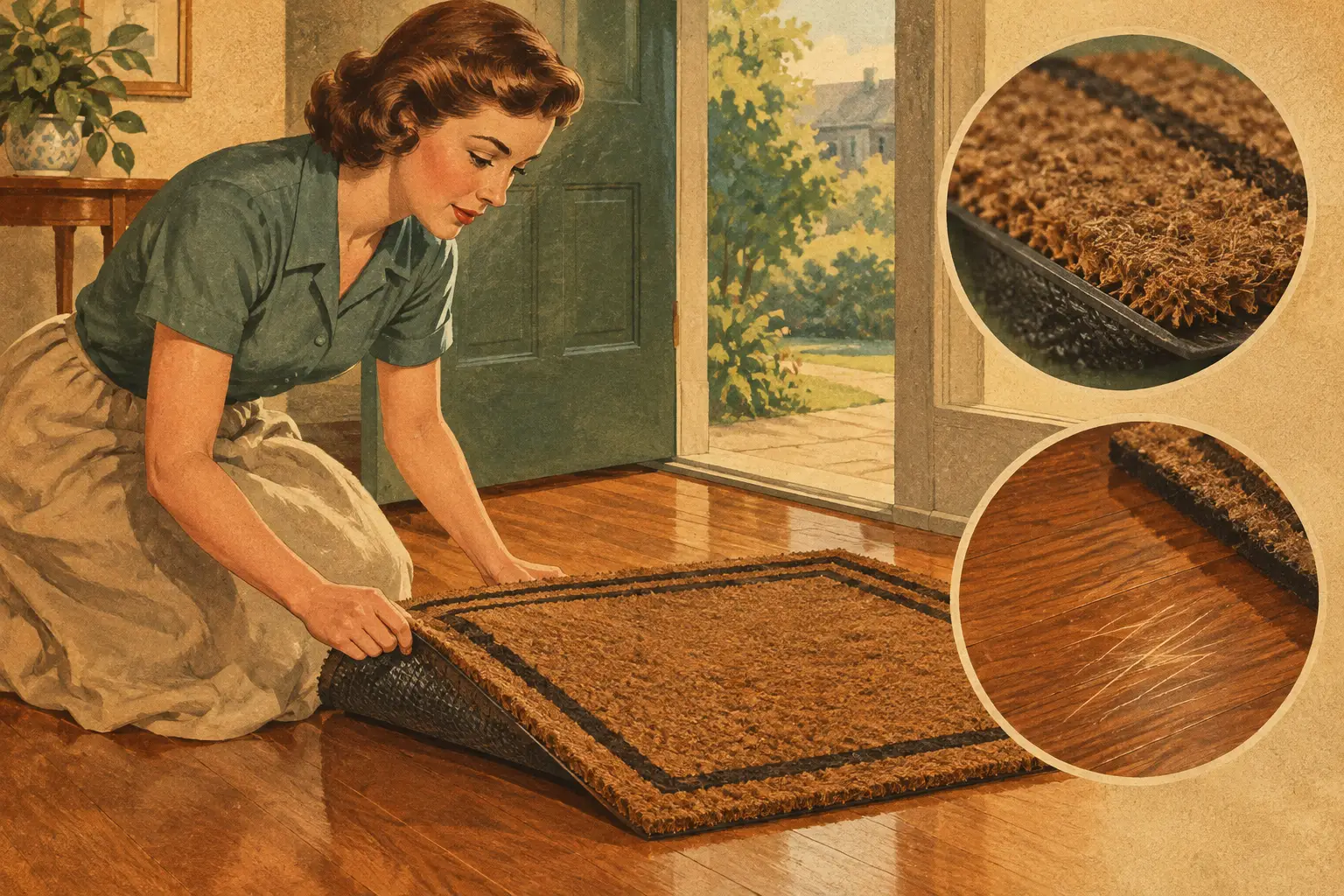
Yes, a rope doormat beats a rubber-backed mat for mudroom use because the open weave dries out instead of trapping moisture underneath. Rubber backing holds water against the floor, which leads to mildew within a season.
How often should I clean a mudroom doormat?
Shake out a mudroom doormat weekly and hose it down every two to four weeks depending on traffic. Rope weaves rinse clean fast, with no detergent needed for routine upkeep.
What size doormat works best for a mudroom?
Size the mat to your actual traffic path, not just the doorway width, so mud doesn’t ring the edges. Measuring the full walk-through zone before ordering avoids the most common mudroom mat mistake.
Do dark-colored doormats hide mud better?
Yes, navy, black, and burgundy rope weaves hide daily mud and salt tracking far better than light tan or white weaves. Lighter colors show every print within a week of mudroom use.
How long does a rope doormat last in a mudroom?
A well-made lobster rope doormat holds up for years under daily mudroom traffic, which is why Ropemats Florida backs its mats with a 10-Year Replacement Guarantee. Cheaper coir or foam mats typically need replacing every one to two seasons.
Can a rope doormat handle sand and mud together?
Yes, an open lay-flat rope weave drops sand through the gaps while still catching heavier mud on the surface. That combination is why rope mats work for mixed lake-and-mud entries, not just beach entries.
The single biggest mistake in mudroom mat shopping isn't material — it's size. A mat that's too narrow just relocates the mud line a few inches further into the house, so measure the full traffic path before you order, not just the door frame in 2026's floor plan.