A front-door mat can look fine on day one and become a soggy, shedding nuisance by the next rainy season. This coir polypropylene comparison looks past first impressions to the details that matter at a busy entryway: how a mat handles water, sand, sun, muddy paws, and the daily in-and-out of real life.
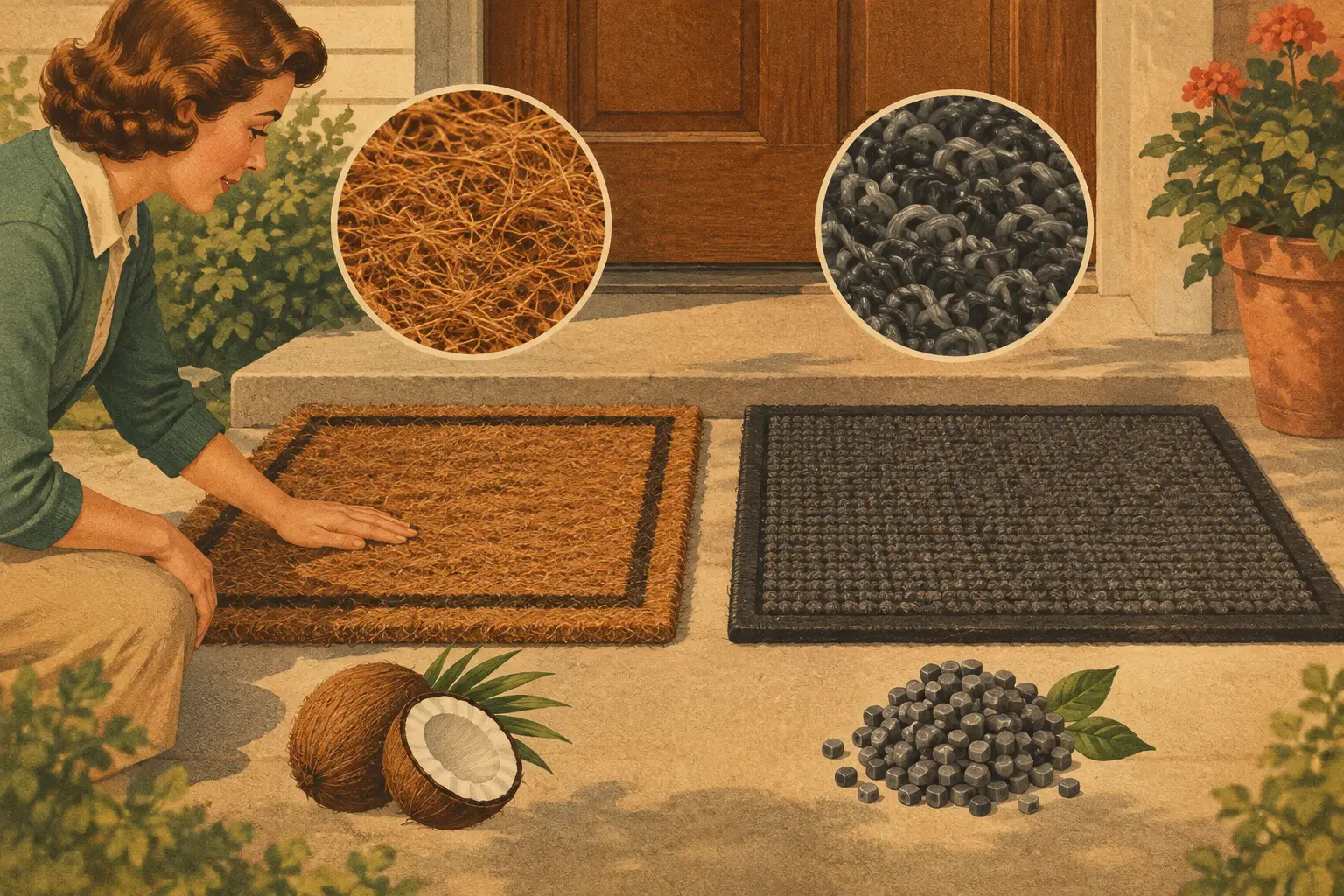
Coir and polypropylene are both common outdoor doormat materials, but they behave very differently. Coir offers a familiar natural look and stiff scraping texture. Polypropylene is a synthetic fiber valued for water resistance, color retention, and easy cleanup. The better choice depends on where the mat will live and how much weather and traffic it needs to handle.
Coir is made from coconut husk fibers. Its rough texture is naturally effective at brushing loose dirt from shoe soles, which is why it has been a porch staple for generations. A new coir mat has a warm, earthy appearance that suits traditional homes, covered entryways, and spaces that stay mostly dry.
Polypropylene is a man-made fiber commonly used in outdoor rugs and mats. It does not absorb water the way natural fibers do, and it can be woven into a wide range of patterns and colors. For homeowners who need a mat to stay outdoors through rain, humidity, strong sun, and frequent use, that difference changes the day-to-day experience.
Neither material is automatically right for every home. A lightly used, fully covered front porch calls for something different than a sunny Florida patio, a beach-house entry filled with sand, or a boat deck that gets wet without warning.
Coir earns its place for one clear reason: it is naturally coarse. That firm surface can knock dry soil and debris off shoes before it reaches the house. It also has a classic, natural appearance that works well with wood doors, brick walkways, and understated outdoor decor.
The challenge is moisture. Coir absorbs water, and a wet mat can hold that moisture for a long time. In a humid climate or an exposed location, the fibers may stay damp between storms. That can make the mat heavier, encourage mildew odors, and leave the surface looking tired sooner than expected.
Shedding is another practical consideration. New coir mats commonly release loose fibers, especially with heavy foot traffic. Some shedding is normal, but it is less appealing at an entry where people want a neat, finished look. Over time, the fibers can flatten and break down, particularly when the mat is regularly soaked and dried.
Coir works best when it has protection overhead and enough airflow to dry. Think of a covered front stoop in a mild climate, not an uncovered pool deck or rain-facing coastal doorway. If a natural fiber look is the top priority and the location stays dry, coir can be a reasonable short-term choice.
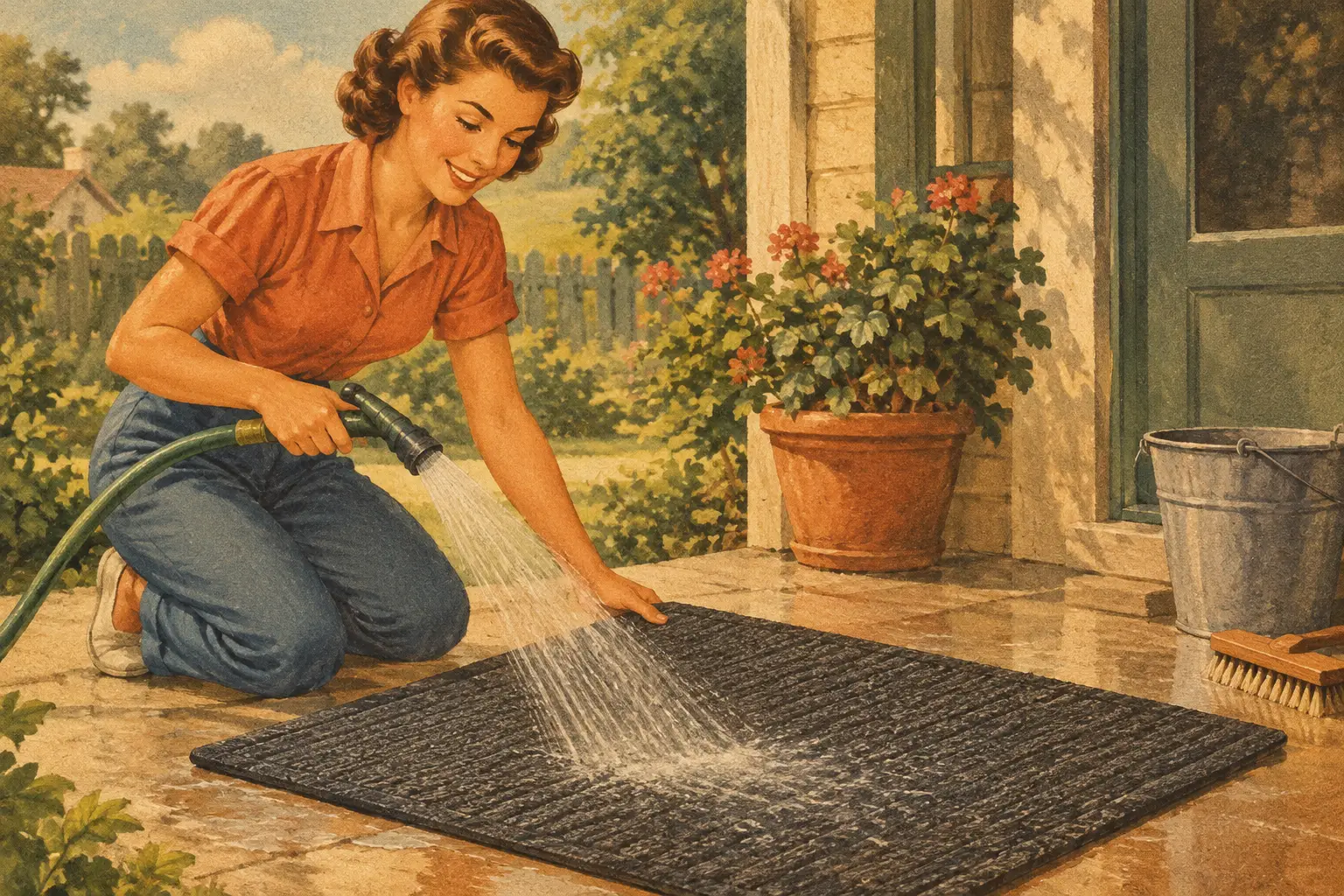
Polypropylene is built around low-maintenance outdoor use. Because the fibers resist water absorption, rain passes through or drains away rather than soaking deeply into the mat. After a storm, a polypropylene mat can be shaken out, rinsed, or left to air-dry without the same concern about a waterlogged natural fiber.
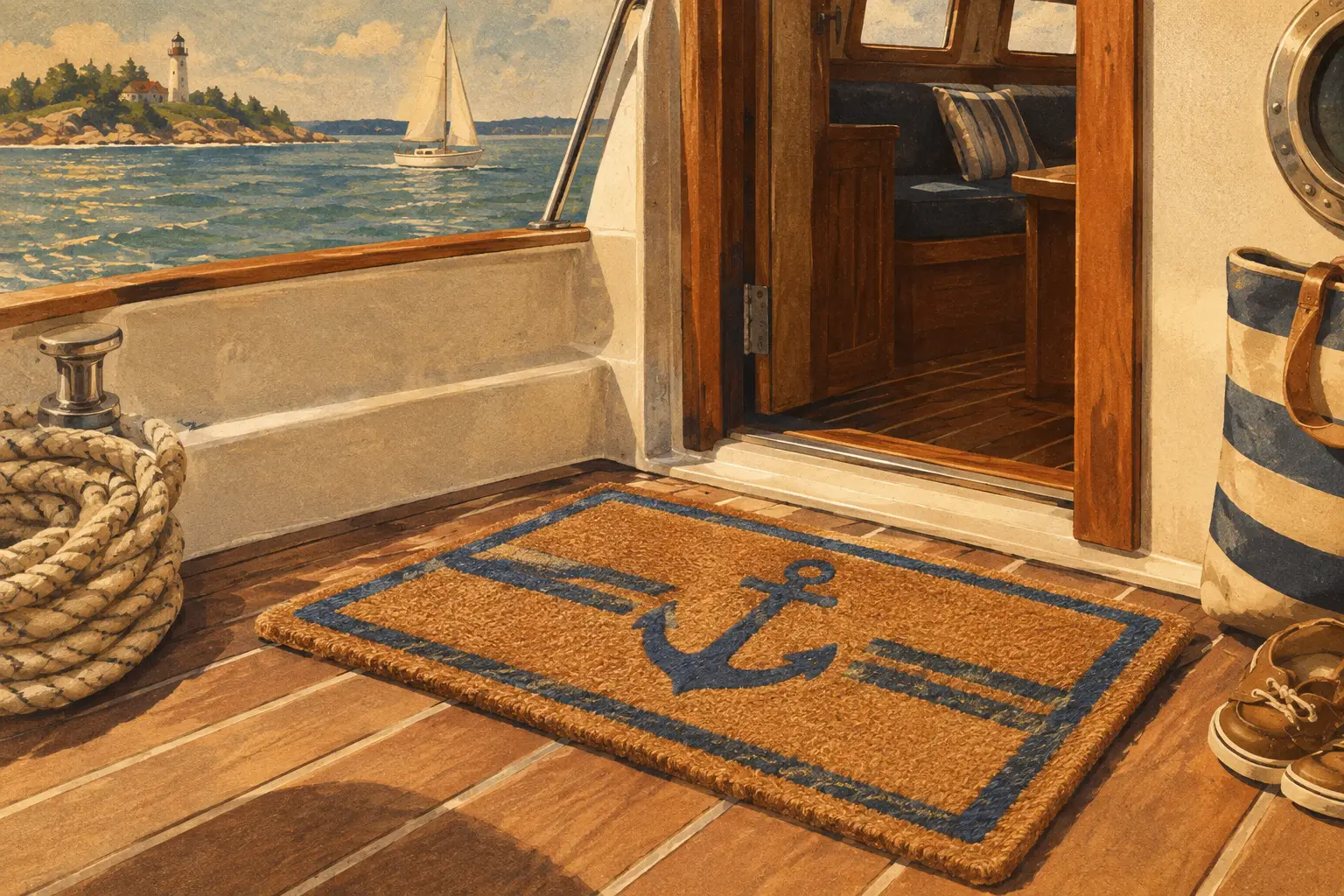
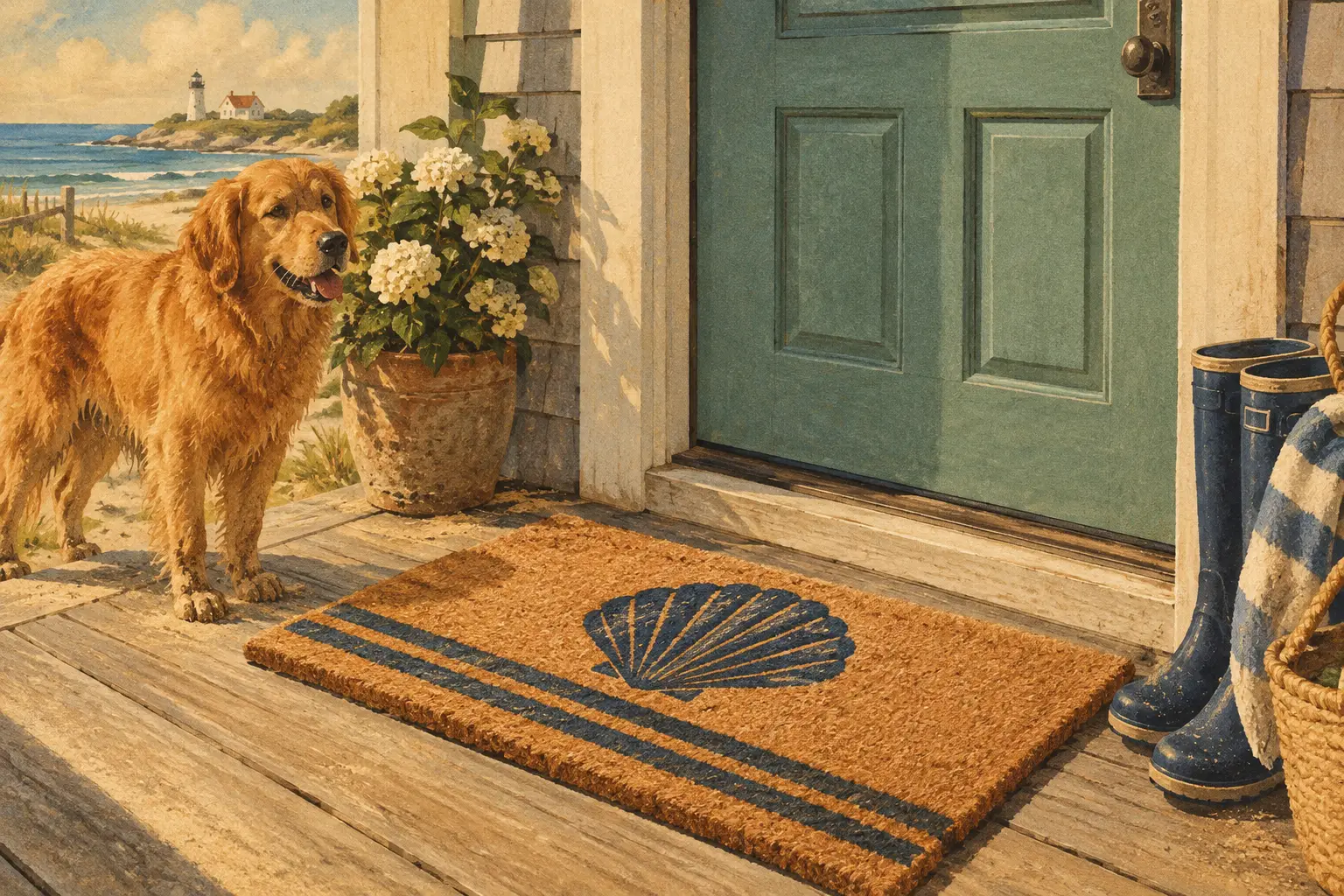
That makes it especially useful for homes with open porches, patios, decks, pool areas, mudrooms, boats, and RVs. It is also a practical material for beach and lake properties, where sand and damp feet are part of the routine rather than an occasional inconvenience.
A quality polypropylene mat can hold up well against stains, too. Dirt, paw prints, spilled drinks, and outdoor grime usually stay near the surface instead of sinking into absorbent fibers. Routine care is simple: shake it out, hose it off when needed, and let it dry. For a household with children, pets, guests, or an active outdoor space, that easy-clean advantage is hard to ignore.
Sun exposure matters as well. Outdoor polypropylene is often selected for its ability to retain color better than many natural-fiber mats. No material is completely immune to years of direct sunlight, and intense sun can affect any outdoor product. Still, polypropylene is generally the more dependable option for bright, exposed areas where a coir mat may weather quickly.
For many homes, the deciding factor is not style. It is water. A mat at an uncovered entry has to handle rain that blows sideways, wet shoes after a storm, and humidity that keeps surfaces from drying quickly. In those conditions, coir can become a maintenance project.
Polypropylene is usually the stronger choice where moisture is routine. Its fibers do not act like a sponge, so the mat is less likely to stay damp after use. That can help keep an entry feeling cleaner and more comfortable, especially in warm-weather regions where rain and humidity arrive together.
This does not mean a polypropylene mat needs no care. Sand and leaves should still be shaken out, and occasional rinsing keeps the weave looking fresh. But easy maintenance is different from no maintenance. The goal is a mat that fits into the way you already care for your outdoor space, rather than one that demands special attention after every stretch of wet weather.
Coir has a naturally scratchy feel, which can be helpful for dry dirt on shoes. However, its scraping action is only one part of a useful doormat. An outdoor mat should also remain stable, drain well, and be easy to clean after the debris builds up.
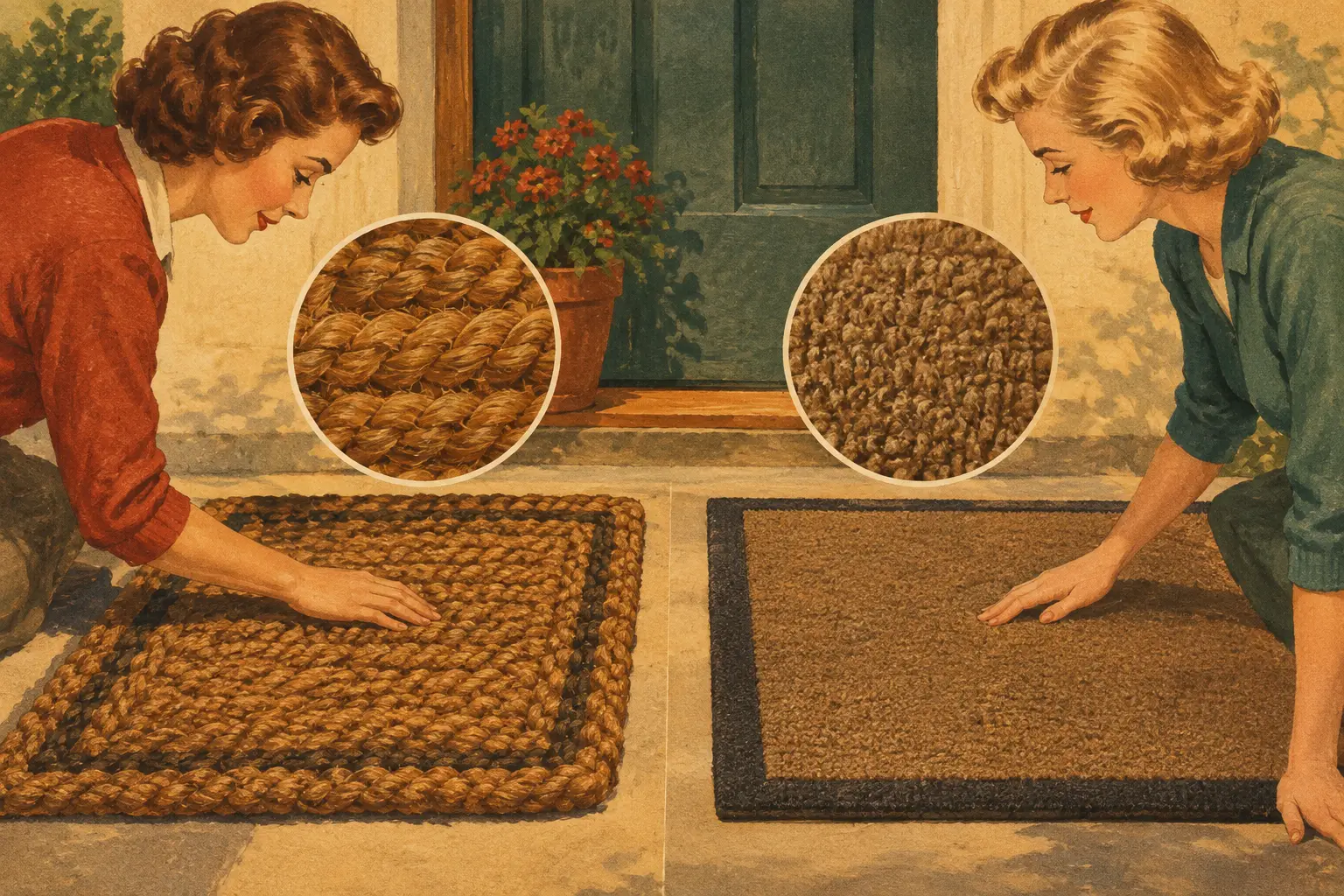
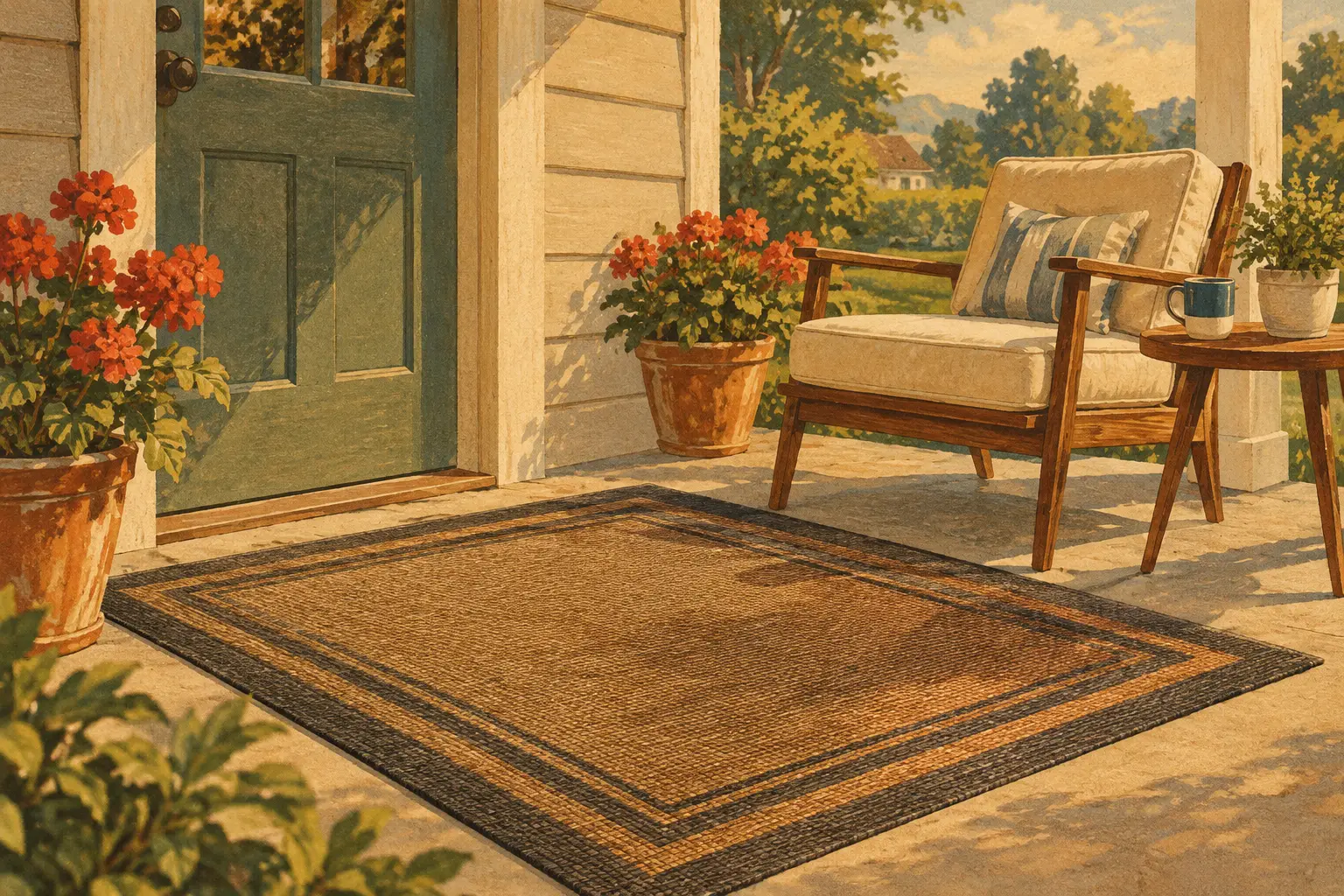
Polypropylene can be woven with enough texture to catch dirt and sand while remaining comfortable underfoot. In a rope-style construction, the open weave helps debris fall through instead of collecting in a dense, moisture-holding pile. That design is especially practical near the coast, where fine sand has a way of finding every corner of an entryway.
For wet conditions, a mat’s construction matters alongside its material. Look for a design that lies flat, allows drainage, and does not create a thick water-trapping layer at the doorstep. A washable mat with a substantial weave is often more useful than a plush-looking mat that quickly compresses under traffic.
Coir has a natural, neutral look that many people associate with a traditional welcome mat. It can be a good visual fit for a sheltered entry, particularly when you prefer simple earth tones and do not expect the mat to face harsh weather.
Polypropylene offers more flexibility in color and pattern. It can deliver a clean coastal look, a bright accent at a patio door, or a classic neutral that works with almost any exterior. For homes where the mat is part of the curb appeal, that range makes it easier to choose something that feels intentional rather than purely functional.
The bigger value question is replacement frequency. An inexpensive coir mat may seem appealing at checkout, but repeated replacement adds up when rain, shedding, and heavy use wear it down quickly. A well-made polypropylene mat may cost more initially, yet its washable construction and outdoor durability can make it the better long-term buy.
That calculation is even more relevant for second homes and vacation properties. When you are not there every day to bring a mat inside before a storm or check whether it has stayed damp, a material that handles exposure with less fuss offers real peace of mind.
Choose coir when your entrance is covered, your climate is relatively dry, and you want a natural-fiber appearance for light to moderate traffic. It is best treated as a sheltered porch accessory, not an all-weather workhorse.
Choose polypropylene when the mat will see rain, humidity, direct sun, pets, children, sand, or steady daily traffic. It is the more practical choice for open porches, patios, decks, poolside doors, beach houses, boats, and RVs. It also suits anyone who wants to rinse away the mess instead of replacing the mat after a season or two.
For a hardworking outdoor entry, material and craftsmanship should work together. Handmade polypropylene rope mats from Lobster Rope Doormats of Florida are designed for that kind of use, with washable, stain-resistant construction and a substantial feel that brings coastal character to high-traffic spaces.
Your doorstep should make a warm first impression, but it should also be ready for the next rainstorm, sandy weekend, or muddy set of paws. Pick the material that matches how your home is actually used, and the mat will do more than decorate the entry – it will make outdoor living easier.

Doormats designed to look better, last longer, and clean easier.
Handmade lobster rope doormats crafted for outdoor durability, easy care, and a warm first impression. Designed for porches, patios, entryways, decks, boats, and RVs across the USA
Copyright © 2026 All Rights Reserved.