
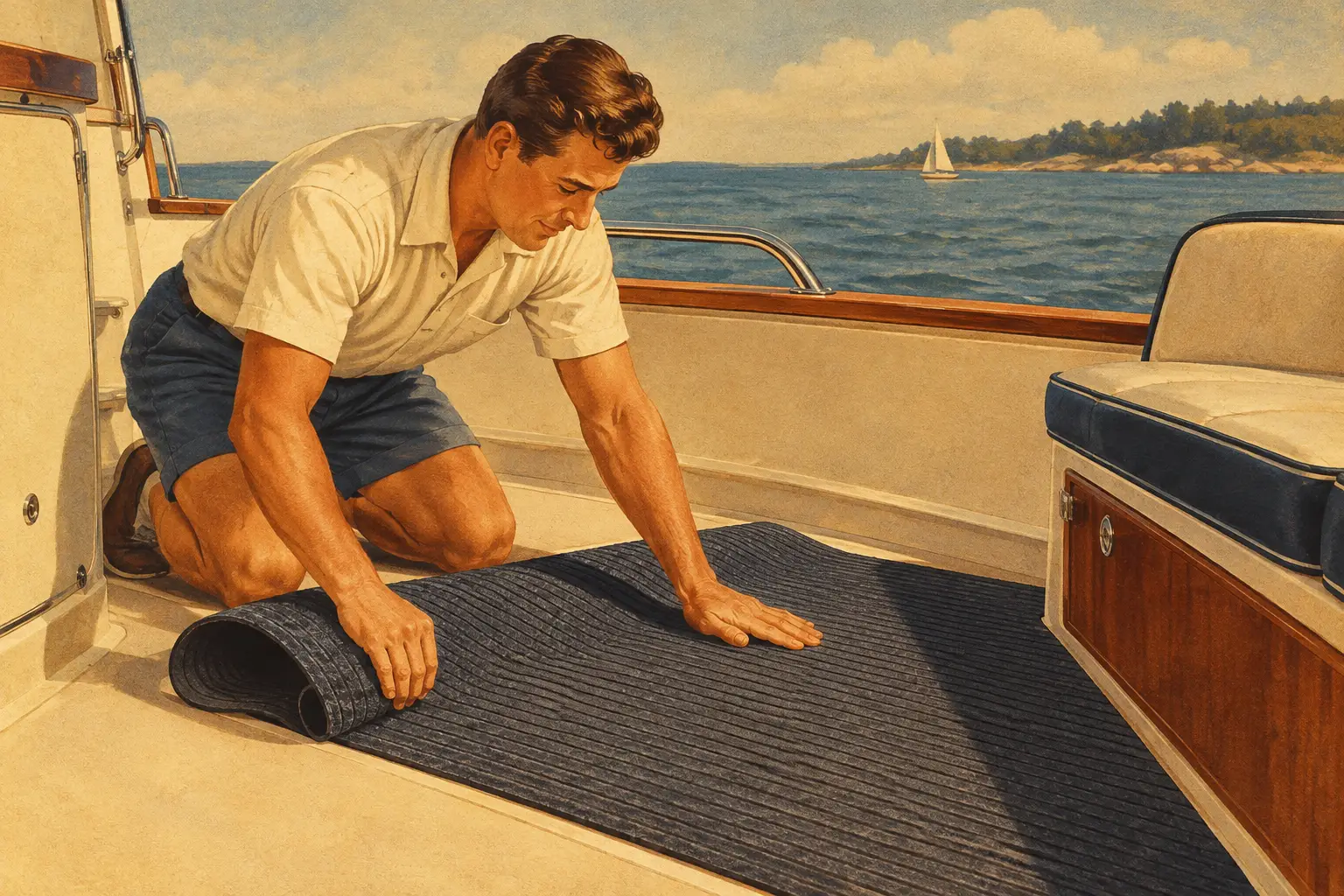
A boat deck gets tested before the first line leaves the dock. Wet feet, sunscreen, sand, bait, rain, and gear all find their way aboard. Thoughtful boat mat installation gives those everyday messes a place to land while making high-traffic areas more comfortable and more finished-looking. The right mat should improve footing and protect the deck without creating a new hazard, trapping water, or demanding fussy upkeep.
For many boat owners, a durable lobster rope mat is a practical fit. Its open, handwoven construction supports drainage, stands up to outdoor exposure, and brings a clean coastal look to the cockpit, cabin entry, swim platform area, or companionway. The key is choosing the right size and location, then securing the mat only when the boat, surface, and intended use call for it.
Before measuring or adding any attachment method, think about how people move through the boat. The best location is usually the spot that sees the most wet, sandy, or bare feet: the entry from the dock, the cockpit step, the cabin doorway, or the path from a swim ladder. A mat in one of these zones can catch grit before it gets tracked across the deck or into the cabin.
Avoid placing a mat where it can interfere with a hatch, storage locker, scupper, drain, throttle access, or emergency equipment. It should never cover a nonskid surface that is needed for safe footing around the helm, on a narrow side deck, or in a place where a loose edge could cause someone to trip. On smaller boats especially, less is often more. One well-positioned mat is more useful than several mats competing for limited deck space.
Think about water flow, too. A mat should not block the route water takes to a drain. Rope mats are naturally suited to wet areas because their woven structure does not behave like a thick foam-backed rug, but even a quick-draining mat needs a clear path for water to leave the deck.
A boat mat should look intentional, not squeezed into place. Measure the usable area at its narrowest point, then leave enough room around the mat for door swings, hatch openings, and easy walking. If the mat will sit in front of a cabin door, check that the door can open and close freely with the mat in position.
For curved cockpit entries and irregular deck spaces, use painter’s tape or a piece of cardboard to map the area first. This gives you a more accurate picture than measuring a single straight line. It also helps you see whether a rectangular mat will sit neatly or whether a smaller size will provide a better fit.
A mat does not need to cover every inch of the floor to do its job. In fact, choosing a size that leaves a visible border of deck around the edges often looks cleaner and helps prevent corners from catching on nearby hardware. It also makes it easier to lift the mat for rinsing or deck cleaning.
Start with a clean, dry deck. Sweep away sand, fishing line, leaves, and grit, then rinse and dry the area if needed. A mat placed over debris can shift more easily and may grind particles against the finish as people walk over it.
Inspect the surface for waxy buildup, peeling nonskid, loose paint, or damaged decking. If the boat has a textured nonskid surface, a handwoven rope mat often stays put well under normal use, but that is not a guarantee for every boat or every condition. Smooth fiberglass, wet vinyl, aluminum, and painted surfaces may require more attention, particularly in rough water or on boats that see frequent wake action.
Not every boat mat needs permanent installation. Many owners prefer to lay a mat in place so it can be shaken out, rinsed, moved into the shade, or brought home after a weekend on the water. This approach is especially practical for a cockpit or cabin entry where the mat rests flat and does not move during normal boarding.
If the mat slides, curls at an edge, or sits in a spot exposed to wind and motion, it needs to be addressed before passengers use that area. The best attachment method depends on the deck material and the boat’s use. A removable solution is usually the safer first choice because it allows routine cleaning and avoids leaving adhesive behind on the deck.
Consider these factors before securing a mat:
For removable attachment, use a marine-appropriate product and follow its manufacturer instructions for surface preparation, cure time, and removal. Test a small, hidden area first. Avoid improvising with hardware that can create sharp edges, penetrate the deck, snag bare feet, or allow water into the boat’s structure. If you are uncertain about drilling, adhesives, or deck compatibility, keep the mat loose or ask a qualified marine professional for guidance.
Once the mat is in place, walk over it in dry conditions and again after it gets wet. Check every edge with bare feet and deck shoes. A properly placed mat should lie flat, stay clear of hinges and drains, and feel stable when someone steps onto it from the dock or swim platform.
This is also the time to think about passengers. Children, guests, and pets do not always step where you expect. Keep the boarding path open, and do not use a mat to hide a damaged or slick deck surface that needs repair. A mat is an upgrade for comfort and cleanliness, not a substitute for sound boat maintenance.
Boat life is hard on ordinary mats. Rubber-backed rugs can hold moisture against the deck. Thick indoor mats can stay damp, collect odor, and look tired after repeated sun exposure. A handwoven lobster rope mat offers a better match for outdoor use because it is made to handle weather, wash easily, and release water rather than staying soggy.
The open weave also lets sand and crumbs fall through instead of becoming embedded in a dense pile. After a day at the sandbar or a morning of fishing, lift the mat, shake it out, and rinse it as needed. For heavier dirt, use mild soap and fresh water, then let the mat air dry fully before returning it to the boat.
Color matters on a boat, too. A light, coastal color combination can brighten a shaded cabin entry, while darker colors can be a smart choice near a fishing station, dockside boarding point, or other area where dirt shows quickly. The best choice depends on how you use the boat and how much visible cleanup you want between outings.
A well-installed mat works best when it is maintained alongside the rest of the boat. Shake out loose debris after a trip, especially if the boat has been near the beach. Rinse away saltwater and fish residue before they have time to dry, and occasionally lift the mat to rinse the deck beneath it.
This simple habit protects both the mat and the surface below. It also gives you a chance to inspect for trapped fishing hooks, line, moisture, or grime near drains. If you trailer your boat or leave it unused for long periods, consider storing the mat in a dry place between trips. That keeps the deck clear for a thorough wash and helps the mat stay ready for the next outing.
A boat should feel prepared, not precious. With a well-sized, easy-care rope mat in the right place, boarding feels cleaner, the deck looks more pulled together, and the daily mess of life on the water stays easier to manage. Lobster Rope Doormats of Florida brings that same hardworking, handcrafted approach to the spaces where your boat earns its memories.

Doormats designed to look better, last longer, and clean easier.
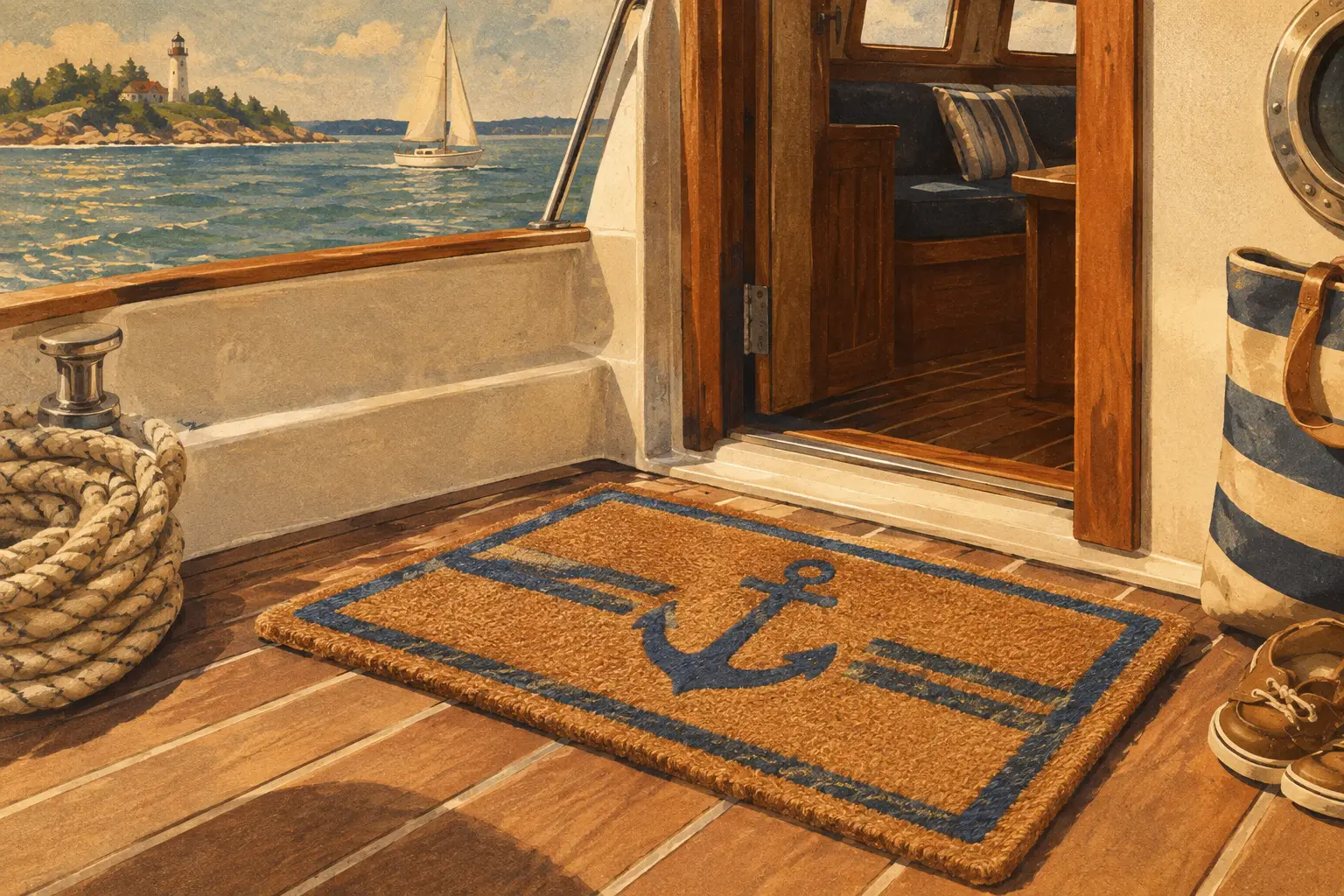



Handmade lobster rope doormats crafted for outdoor durability, easy care, and a warm first impression. Designed for porches, patios, entryways, decks, boats, and RVs across the USA
Copyright © 2026 All Rights Reserved.