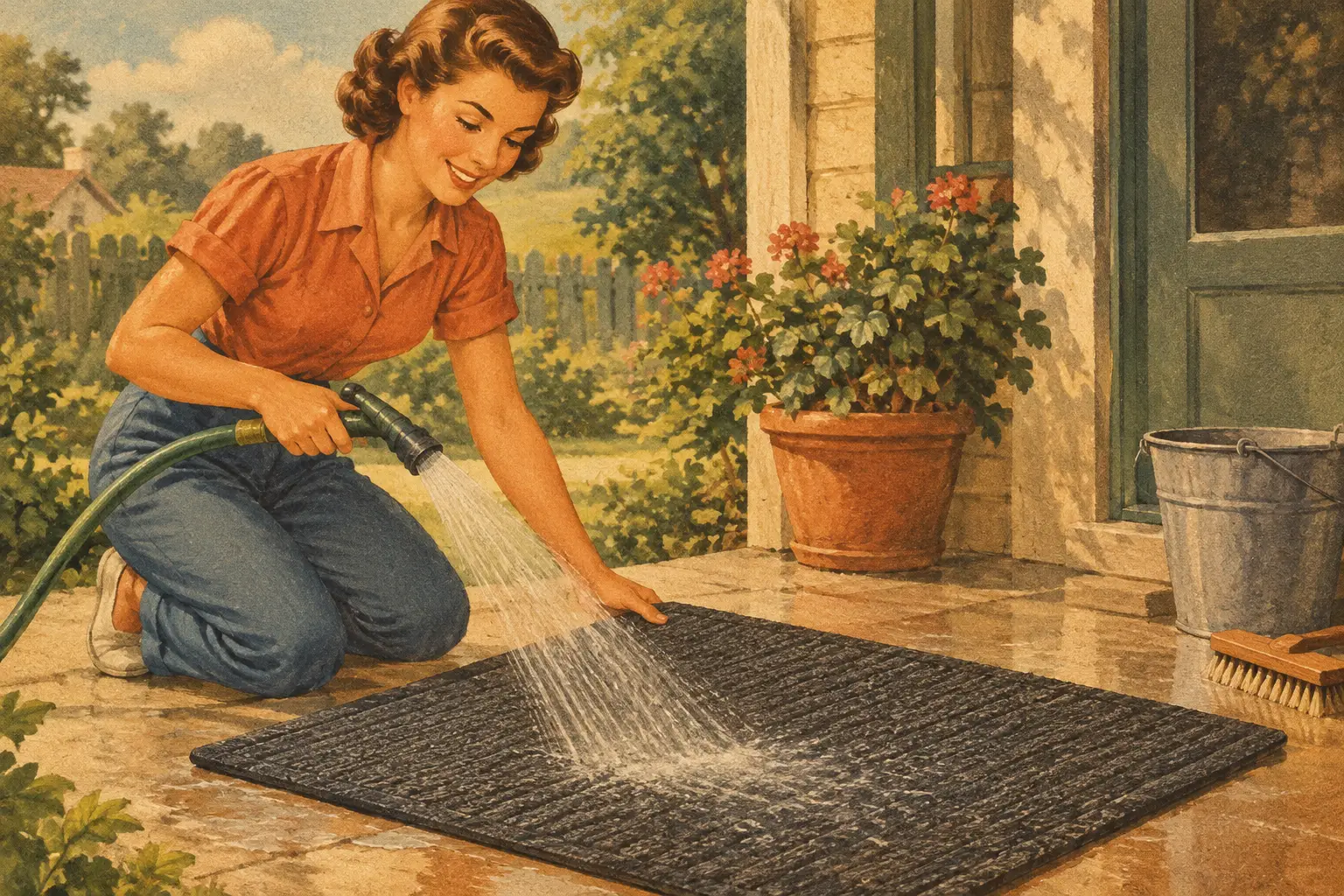
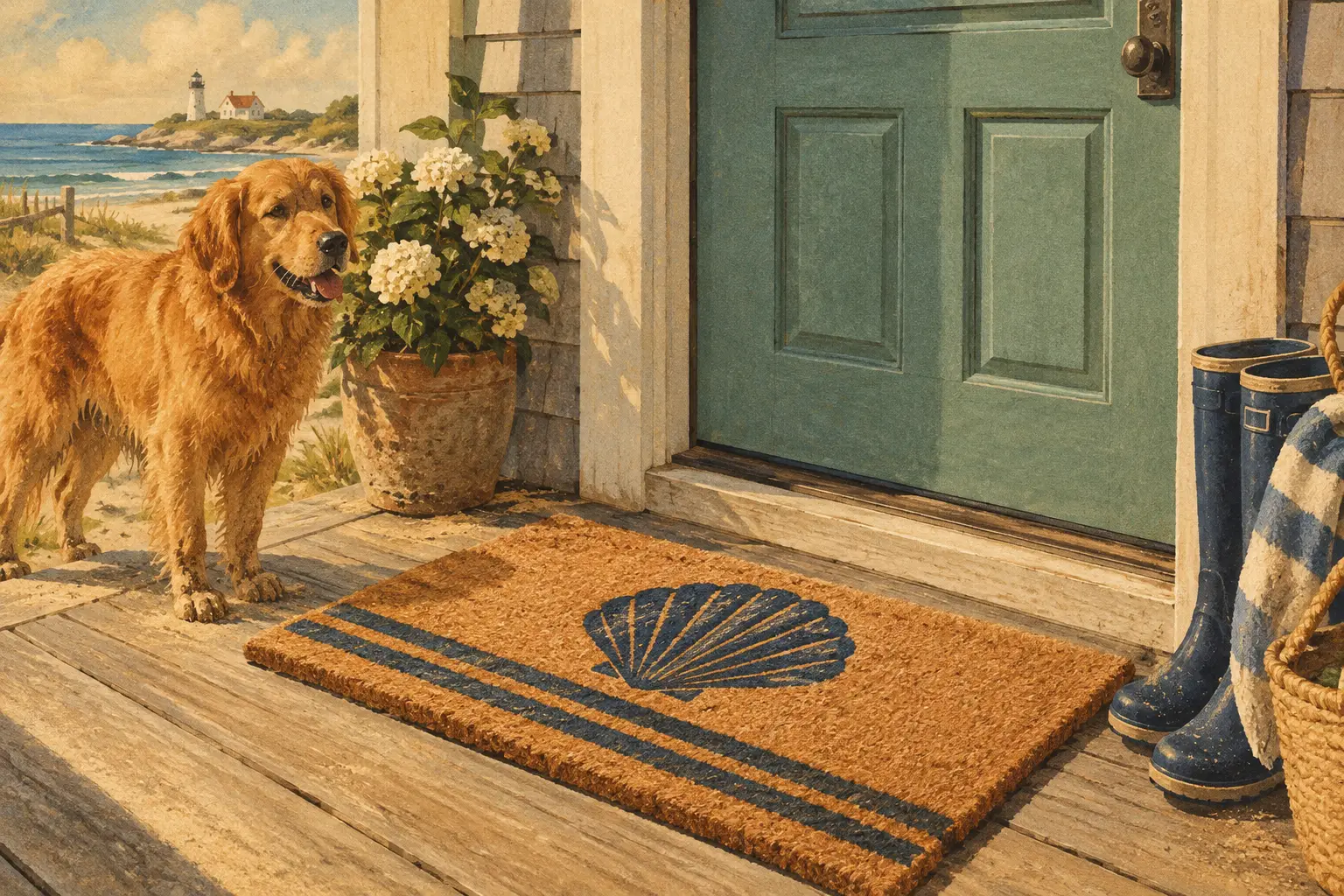
Sand in the weave, paw prints by the door, and a little salt spray after a beach weekend are signs your mat is doing its job. Knowing how to rinse polypropylene mats keeps that hard-working surface looking fresh without turning routine care into another household project. For most outdoor mats, a garden hose, a clear place to work, and a few minutes are all you need.
Polypropylene is well suited to porches, patios, decks, boats, RVs, and busy entryways because it does not soak up water like many traditional fabric mats. Its open construction lets water move through instead of sitting underneath, which helps the mat dry quickly after rain or cleaning. That easy-care performance is one reason a quality rope mat makes such a practical upgrade for homes where people, pets, and outdoor messes come and go all day.
Start by taking the mat outside to a flat, well-drained area. A driveway, patio, lawn, or deck is usually fine, provided water can run away freely. Give the mat a firm shake first to remove loose sand, leaves, grass, and dry dirt. If debris is caught between braided sections, lift and flex the mat gently rather than digging at it with a sharp tool.
Lay the mat flat and rinse it with an ordinary garden hose. Begin at one end and work steadily toward the other, allowing the water to carry grit through the weave and away from the mat. Use a moderate spray rather than an aggressive, needle-like stream. The goal is to flush out dirt, not force the fibers apart or drive debris deeper into tight areas.
Turn the mat over and repeat the rinse on the back. This second pass matters, especially at a front door, dock, or poolside entrance where sand and soil can work their way underneath. Rinsing both sides also helps wash away residue that may not be visible from the top.
For everyday cleaning, plain water is often enough. A polypropylene mat does not need complicated products to look presentable. Rinsing regularly, before grime has time to settle, is easier on both the mat and your weekend schedule.
A standard hose nozzle set to shower, spray, or a medium setting is usually the best choice. High pressure may sound efficient, but it is not always better. Very forceful pressure can rough up a handcrafted weave, push dirt into crevices, or make the mat shift and curl while you work.
If you use a pressure washer, keep it on a low setting, hold the wand well back from the surface, and test a small area first. This approach may be useful for a mat that has been exposed to heavy mud or windblown debris, but a hose is the safer default for regular care. Never concentrate a powerful stream in one spot for long.
A rinse handles most dirt, dust, pollen, and salt. If the mat has tracked-in mud, food residue, or a pet-related mess, add a small amount of mild dish soap to a bucket of water. Apply the soapy water with a soft brush or cloth, working gently across the affected area. Then rinse thoroughly from both sides until no soap remains.
Avoid harsh cleaners, solvents, and abrasive scrubbing pads. They are unnecessary for polypropylene and can leave residue, fade color, or make the surface feel less smooth over time. Bleach-based products are also best skipped unless the mat maker specifically recommends them. A simple cleaner and a full rinse are more than enough for the kinds of messes an outdoor entry mat sees most often.
For dried mud, let a first rinse soften the soil for a minute or two before brushing. Trying to scrape hardened dirt away while the mat is dry can be more work than it is worth. Once the mud loosens, it should release with a light scrub and a second rinse.
A fresh spill is easier to clean than an old one. Blot thick residue with a paper towel or cloth, rinse the area, and use mild soapy water if needed. For oily spots from sunscreen, grilling, or garage traffic, use a small amount of dish soap designed to cut grease, then rinse patiently.
Do not expect every deeply set stain to disappear instantly, particularly on a light-colored mat that has seen months of use. The better goal is a clean, well-kept mat that continues to welcome guests and handle daily traffic. Regular rinsing prevents small marks from becoming permanent-looking buildup.
After rinsing, lift one end of the mat and let excess water drain out. Then lay it flat or hang it over a railing in a spot with good airflow. Polypropylene dries far faster than absorbent fiber mats, but it still benefits from time in the open air before being placed back at the door.
Sunshine can speed drying, though a breezy shaded area works well, too. If your mat is on a wood deck, painted porch, or interior threshold, wait until water is no longer dripping from it before putting it back. This protects the surface beneath and keeps wet feet from tracking moisture indoors.
For heavier rope-style mats, repositioning the mat once during drying can help air reach the underside. There is no need to put it in a dryer or use direct high heat. Outdoor air is the simple, reliable option.
There is no single rinse schedule for every home. A covered front porch in a mild climate may only need a quick rinse once a month or when it looks dusty. A beach house, pool deck, boat, RV, or uncovered Florida patio may benefit from a rinse every week or two during the busiest season.
Pay attention to what reaches the mat. Salt, sand, pollen, pine needles, muddy shoes, and pets all change the schedule. A mat near the water may look clean on top while holding fine sand below, making an occasional flip-and-rinse especially worthwhile. In rainy weather, clear leaves and debris promptly so water can flow through the weave as intended.
Between rinses, shake the mat out or sweep around it. This small habit helps maintain a clean coastal look at the entry and reduces the amount of debris that gets carried into the house. It also gives you a chance to check that the mat is lying flat and staying where it should.
The biggest mistake is leaving a dirty mat in place until buildup becomes difficult to remove. A quick rinse is easier than a deep clean, particularly after a storm or a weekend of entertaining. Another common misstep is using too much soap. Excess soap can cling to the fibers and attract more dust, so use only a little and rinse until the water runs clear.
It is also wise not to clean over an area where runoff could carry concentrated cleaners into a pool, waterway, or garden bed. Plain-water rinsing is ideal for routine care. When soap is needed, use it sparingly and rinse on a suitable hard surface where the runoff is manageable.
Finally, do not put a dripping mat directly back on a finished floor or leave it folded while wet. Polypropylene resists moisture, but trapped water and poor airflow can create an unpleasant situation underneath any mat. A few extra minutes of drying protects your entryway and keeps the mat ready for the next round of traffic.
A well-rinsed polypropylene mat does more than look better. It keeps the entrance feeling cared for, lets the color and handcrafted texture stand out, and gives guests a warm first impression before they ever step inside. Make rinsing part of the rhythm of outdoor living, and your mat will stay ready for sandy feet, rainy days, and everything else home brings.

Doormats designed to look better, last longer, and clean easier.
Handmade lobster rope doormats crafted for outdoor durability, easy care, and a warm first impression. Designed for porches, patios, entryways, decks, boats, and RVs across the USA
Copyright © 2026 All Rights Reserved.