A porch mat that slides when someone steps on it is more than a small annoyance. At a busy front door, patio, boat, or RV entrance, it can turn a warm welcome into an avoidable fall risk. Knowing how to prevent slippery porch mats starts with looking at the whole setup: the mat material, the surface beneath it, how water moves through the area, and how much traffic the entry gets every day.
The right mat should feel secure underfoot without trapping water, curling at the edges, or becoming heavy after a storm. That matters especially in Florida and other warm, wet, coastal climates, where rain, sand, humidity, pool water, and bare feet all put outdoor mats to work.
A mat usually slips for one of three reasons: its backing cannot grip the porch surface, moisture has collected beneath it, or the mat is too light for the amount of foot traffic it receives. Smooth sealed concrete, painted wood, tile, composite decking, and polished stone can all make the problem more noticeable.
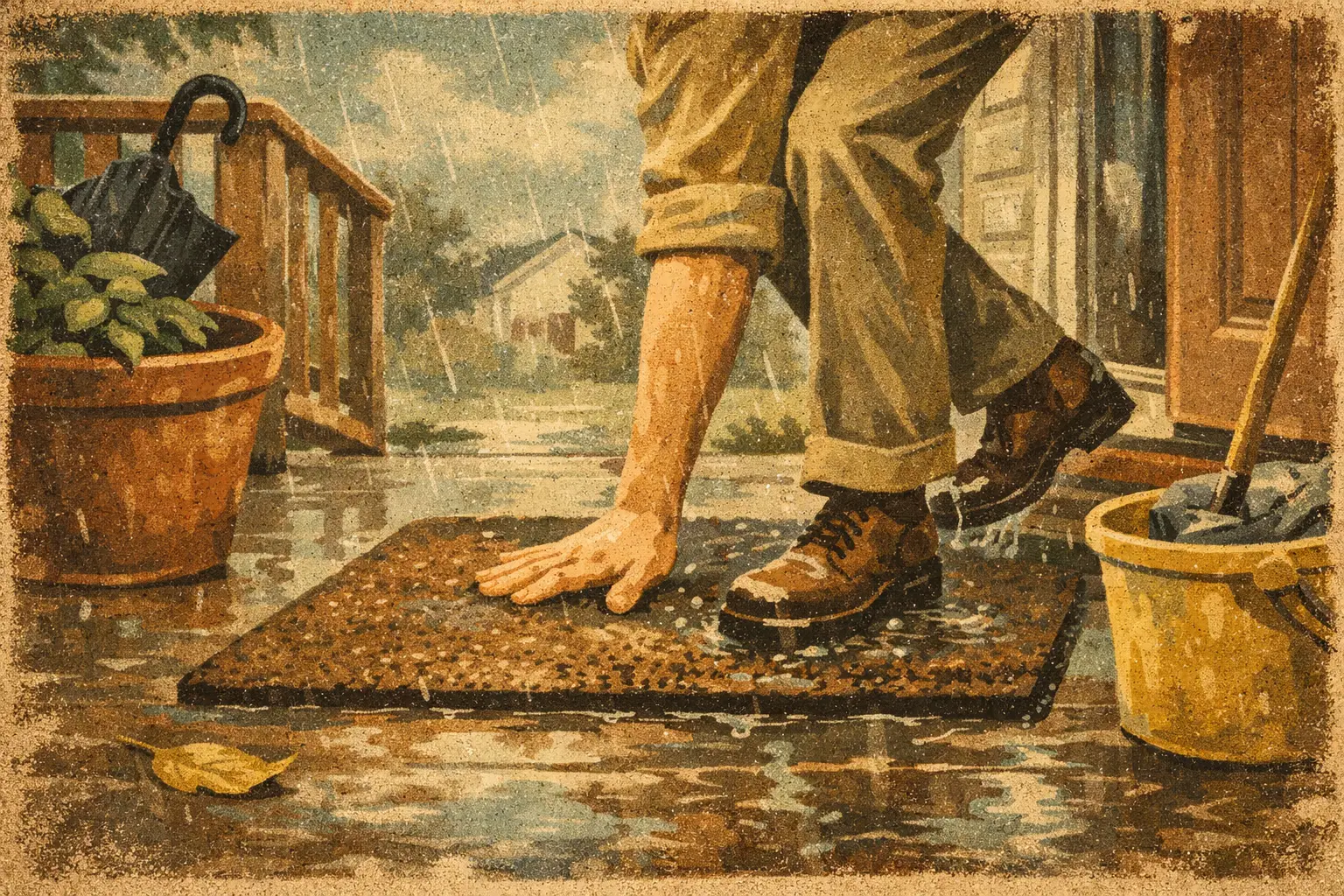
Water is often the hidden culprit. A mat may seem steady on a dry afternoon, then shift after a rain shower because a thin layer of moisture sits between the mat and the porch. Fine sand, pine needles, dust, and sunscreen residue can create the same effect by reducing friction where the mat meets the floor.
The mat’s shape also matters. Thin mats can bunch or fold when shoes catch their front edge. Lightweight mats may scoot forward as people wipe their feet. Mats with worn rubber backing can lose their grip over time, particularly after long exposure to heat and sun.
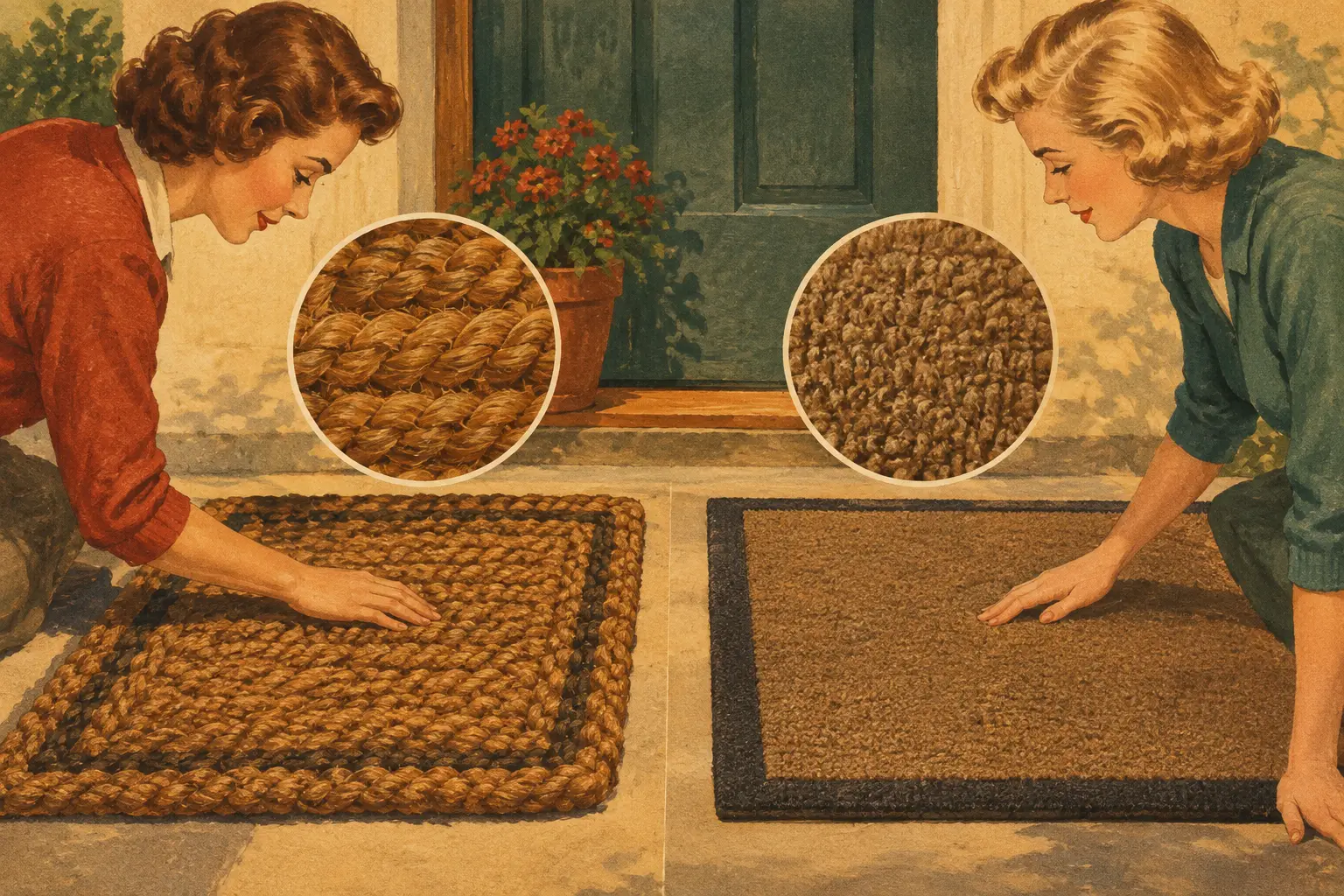
The simplest way to prevent a slippery porch mat is to choose one designed for the conditions outside your door. Indoor rugs and traditional fiber doormats may look good at first, but many absorb water, stay damp, and break down quickly in direct weather. Once saturated, they can become heavier, mustier, and less stable.
Look for a mat with enough weight and a substantial weave to stay in place during normal use. An open construction is also helpful because it allows rainwater and debris to pass through instead of collecting underneath. That drainage is especially useful near pools, beach houses, docks, and homes where wet shoes and paws are part of the routine.
Handwoven lobster rope mats are a practical option for exposed entries because the rope is made to handle wet environments. The textured weave offers traction, while the open design helps water move through rather than soak in. A well-made rope mat also brings enough structure and weight to feel more planted than a thin, moisture-holding mat.
Material is not the only consideration. Choose a size that fits the doorway and the walking path. A mat that is too small encourages people to step partly on and partly off it, which can make it shift. For a primary entrance, aim for a mat wide enough to catch both feet comfortably and deep enough for a natural wipe before stepping inside.
No single solution works exactly the same on every surface. A rough concrete porch naturally provides more grip than smooth tile. Painted wood can become slick when wet, while composite decking may have grooves that collect debris beneath a mat. Before adding any grip product, check whether the porch finish has manufacturer care recommendations.
On smooth surfaces, a non-slip rug pad can be an effective extra layer of security. Choose one rated for outdoor use and cut it slightly smaller than the mat so it remains hidden. The pad should lie flat, resist mildew, and allow water to drain. Avoid thick cushioned pads outdoors, since they can hold moisture against the porch and create a cleaning problem of their own.
For wood decks and painted porches, be selective with rubber-backed products. Some rubber materials can discolor finishes or trap moisture during humid weather. A breathable, open-grid pad is usually a better choice, but it is still wise to lift the mat and pad occasionally to inspect the surface below.
If your mat sits on a boat, dock, or RV step, avoid adhesive solutions that may leave residue or fail in changing temperatures. A low-profile outdoor grip pad, combined with a durable mat that drains well, is generally easier to maintain and remove for cleaning.
Even a mat with good grip can become a trip hazard if its corners curl. Lay new mats flat before placing them outdoors, particularly after shipping. If an edge turns up, move the mat to a warm, dry flat area for a day or two and place light, even weight along the raised section.
Do not rely on heavy objects at the corners as a permanent fix. They may hold one edge down, but they do not solve the reason the mat is moving or curling. A mat that continues to curl after settling may be too thin, damaged, or poorly suited to the weather exposure at that entrance.
Cleaning is one of the most overlooked answers to how to prevent slippery porch mats. A clean mat grips better, drains better, and gives visitors a more polished first impression. It also keeps abrasive sand and grit from wearing down the material or being carried indoors.
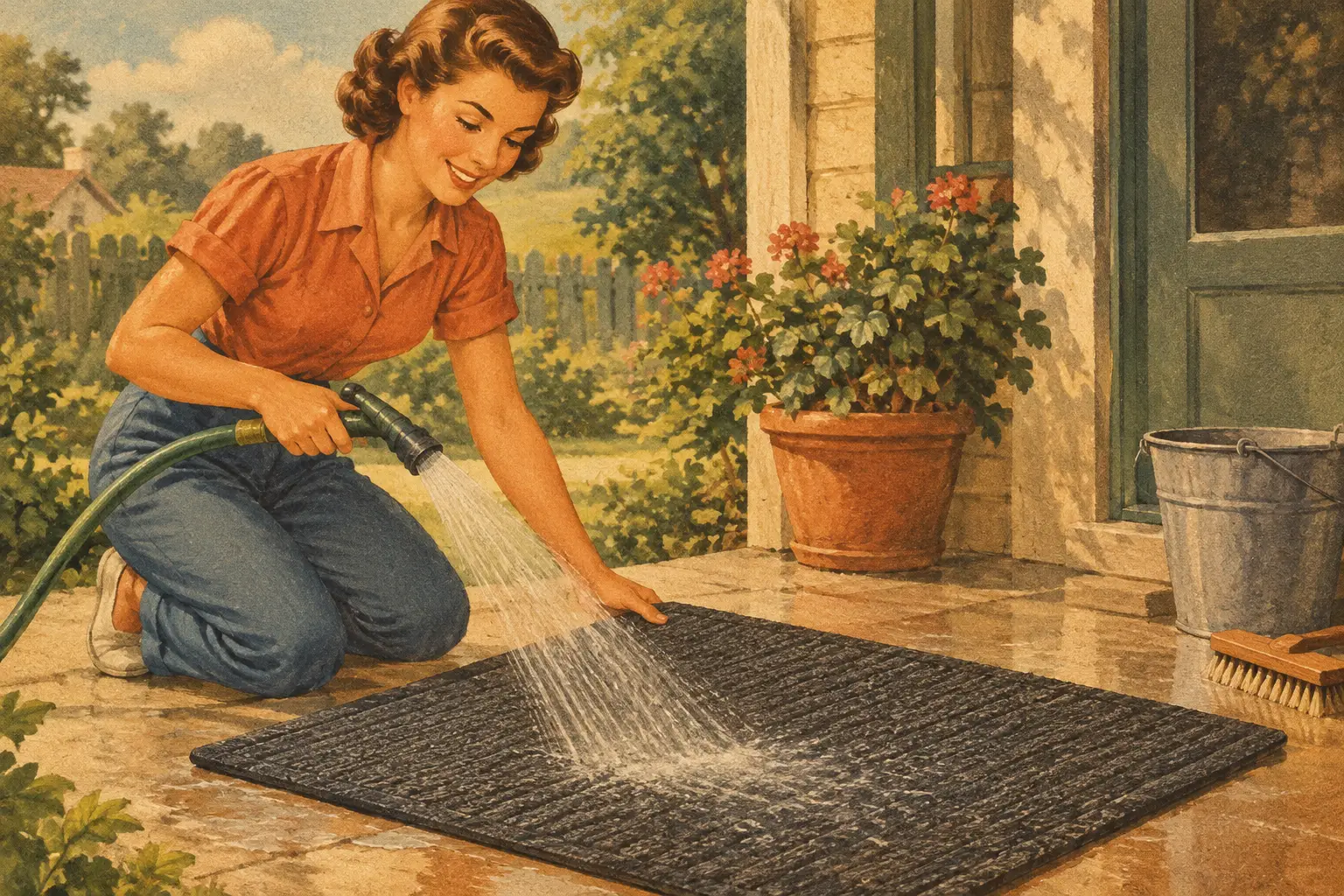
Shake out loose debris regularly. For a high-traffic entry, that may mean once or twice a week. Rinse an outdoor mat after muddy weather, a beach weekend, yard work, or a season of heavy pollen. Let it dry thoroughly before returning it to the porch if the material holds moisture.
Do not forget the space underneath. Lift the mat, sweep the porch, and rinse away grime that has settled on the surface. This small habit prevents a slick film from forming beneath the mat and helps protect painted, sealed, or composite surfaces from staining.
Pay attention to drainage around the door, too. If water consistently pools in one spot, the problem may be the porch slope, a clogged gutter, or an overwatered planter rather than the mat. A better mat can improve footing, but it cannot correct standing water that keeps returning after every rain.
There are times when a non-slip pad alone is not enough. A windy exposed porch, a frequently used patio door, or an entry with energetic kids and dogs may need a mat with more weight and a lower profile. In these cases, replacing a lightweight mat is usually safer and cleaner than trying to tape it down.
Double-sided carpet tape may seem like a quick fix, but it is rarely ideal outdoors. Heat, rain, and dust can weaken the adhesive, while removal may leave residue on concrete, tile, or painted surfaces. It also makes routine cleaning harder, which can lead to trapped moisture and dirt underneath the mat.
Screws, staples, and permanent fasteners are generally not a good solution for a removable doormat. They can damage decking, create sharp points, and make it difficult to wash the area below. Reserve permanent anchoring for specialty commercial installations, not a standard residential porch mat.
The more dependable approach is simple: pair a durable, appropriately sized outdoor mat with a compatible grip pad when the surface calls for one, then keep both the mat and porch clean. This provides security without making maintenance complicated.
Outdoor conditions change, and a mat that performs well in dry weather may need attention during the rainy season. Test it after a storm, after rinsing the porch, and when the temperature shifts. Step onto it from different angles and make sure it does not slide, fold, or catch at the edge.
Inspect the backing or pad every few months for cracking, flattening, mildew, or discoloration. Replace a worn pad before it becomes unreliable. If a mat has lost its shape, is shedding heavily, or stays damp for days, it is likely time for a better outdoor-ready replacement.
For homes with several entry points, give the most-used door the strongest setup. The front door, pool access, garage entry, and patio slider often see very different traffic and moisture levels. A beautiful mat at each door is nice, but stable footing at the busiest one should come first.
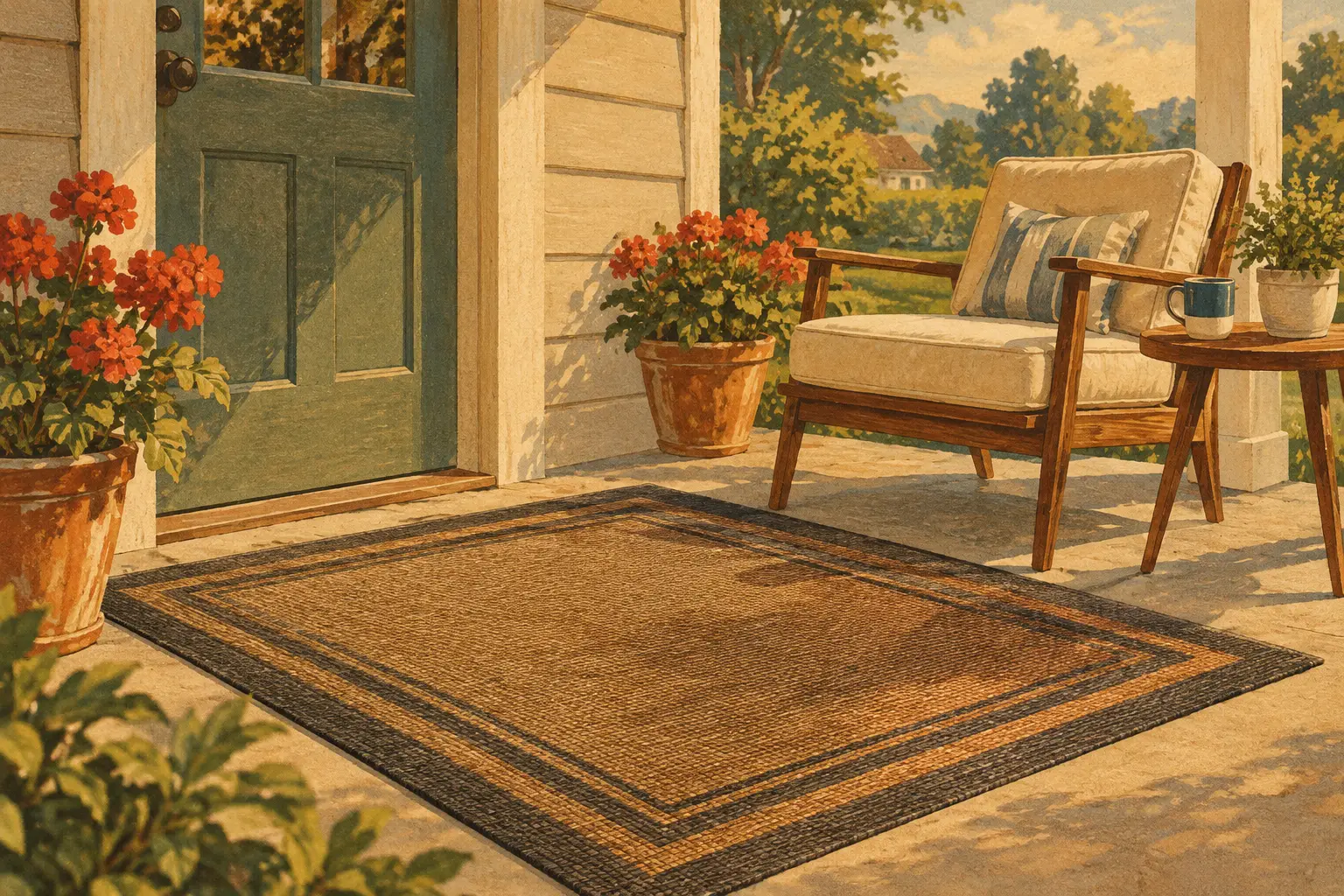
A porch mat should do its job quietly: catch dirt, handle wet feet, stay where you put it, and add a clean coastal look to the entry. At Lobster Rope Doormats of Florida, that everyday practicality is part of why a durable, washable rope mat is made for real outdoor living. Choose the right material, keep the area beneath it clean, and check its footing after wet weather. Your guests, family, pets, and porch will all be better off for it.

Doormats designed to look better, last longer, and clean easier.

Handmade lobster rope doormats crafted for outdoor durability, easy care, and a warm first impression. Designed for porches, patios, entryways, decks, boats, and RVs across the USA
Copyright © 2026 All Rights Reserved.