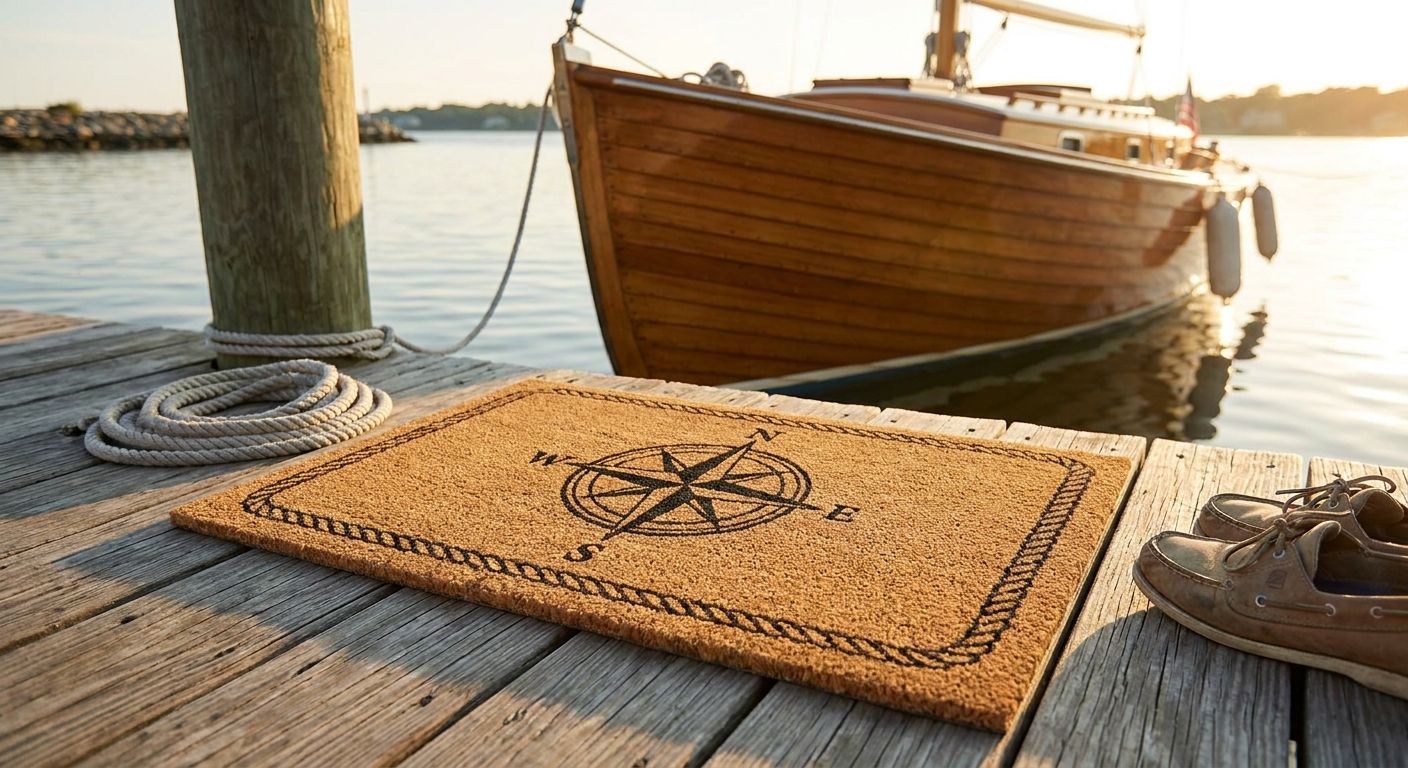
A boat dock doormat has one job the average entryway mat never faces: drying wet, sandy, and often saltwater-soaked feet dozens of times a day while sitting in full sun and salt spray. This guide breaks down what actually holds up on a dock and which nautical doormat for boat dock use is worth the money in 2026.
A doormat by the water isn't decor — it's a drainage system. Dock boards already shed water slowly, so a mat that holds moisture instead of releasing it just adds a wet, slippery surface to a wet, slippery surface. Salt air also breaks down rubber backing and bleaches cheap synthetic fiber faster than most buyers expect, sometimes within a single Florida summer. A rope doormat built from tightly wound cord handles that cycle differently than a flat-woven mat because the rope itself sheds water between the strands instead of soaking it up.
This guide is for anyone who owns or manages a private boat dock, marina slip, or lake house pier and needs a mat that survives constant wet feet, saltwater spray, sand, and fish scales without turning into a mildew problem by August. It's built for boaters who track sand and bait smell onto the dock daily, not for someone shopping for a covered front porch that stays dry most of the year.
A thicker rope diameter with a tight weave gives your feet something to scrape against instead of sliding on a flat surface. Loose weaves look nautical but leave gaps where sand and hooks collect, which defeats the point of a dock mat.
Docks sit closer to spray and humidity than any other entryway, so the fiber has to resist mildew without a rinse-and-dry cycle every day. A synthetic rope mat handles this better than jute or coir, which absorb moisture and start smelling within weeks near salt water.
Dock mats rarely get shade, and cheap dye fades to a dull gray within one Florida summer. Look for color that's woven through the rope strand, not printed on the surface, since printed color wears off with foot traffic long before the mat itself fails.
A lightweight mat blows into the water on a windy afternoon, which is a real problem on an open dock with no walls to block gusts. Heavier rope construction and a size that fits snugly against a dock box or piling keeps the mat where you put it.
Sand, bait, and fish scales need to come off with a hose, not a vacuum. A rope weave with open channels lets water and debris flow through instead of settling into a flat pile fiber.
A dock mat works harder than a porch mat, so the guarantee behind it matters more. A 10-year replacement guarantee signals the maker expects the mat to survive years of salt exposure, not just a season.
“If the mat picks up more standing water than it releases in an hour, it is not built for dock duty.”
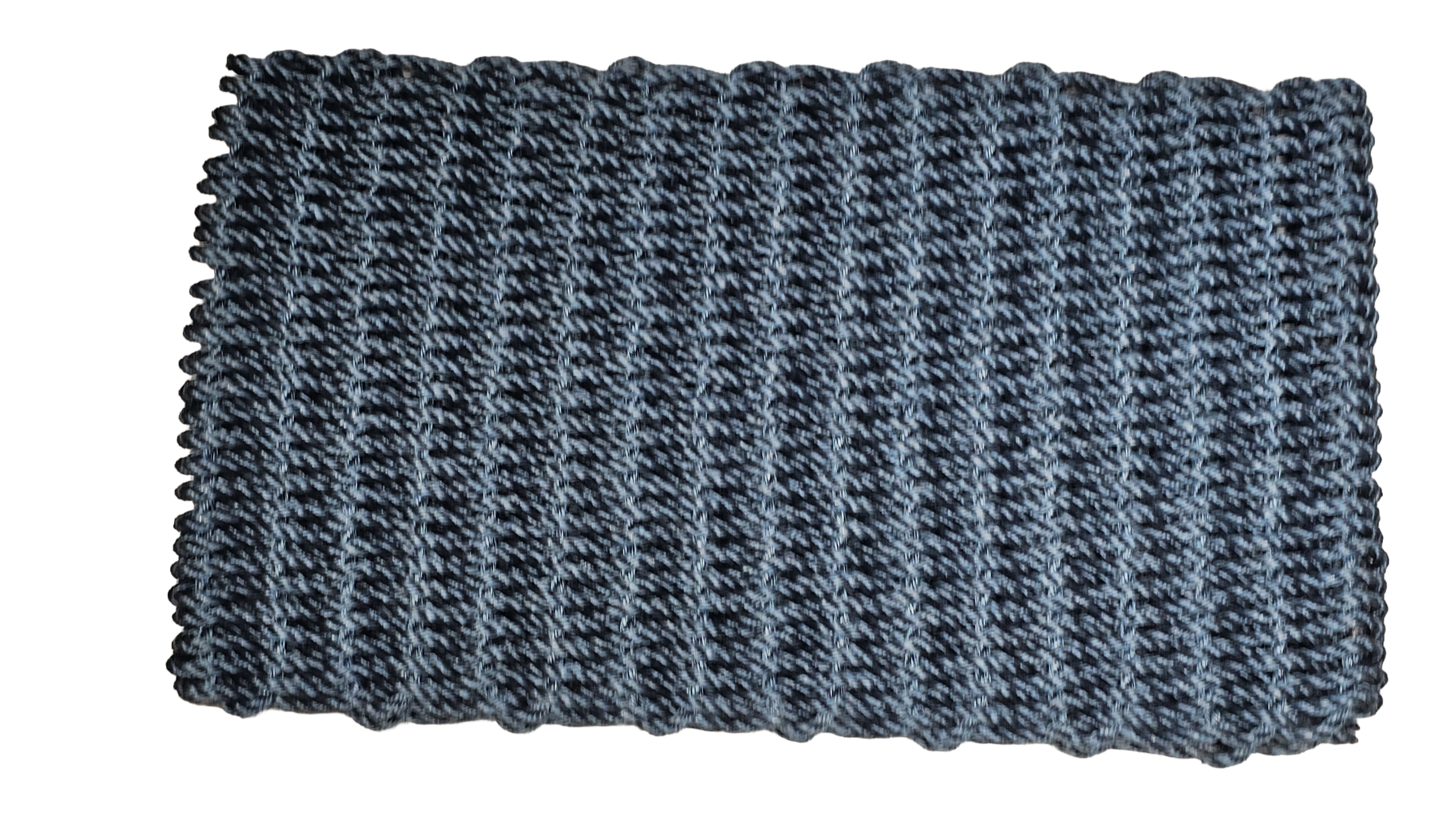
The safe pick — Navy. Solid color hides sand and dirt between rinses, which matters on a dock that gets foot traffic dozens of times a day. It's a single-color rope weave with no dye lines to fade unevenly, and it reads as classic dock hardware rather than beach-house decor. Buy for high-traffic private docks or marina slips where you want the mat to disappear into the background.
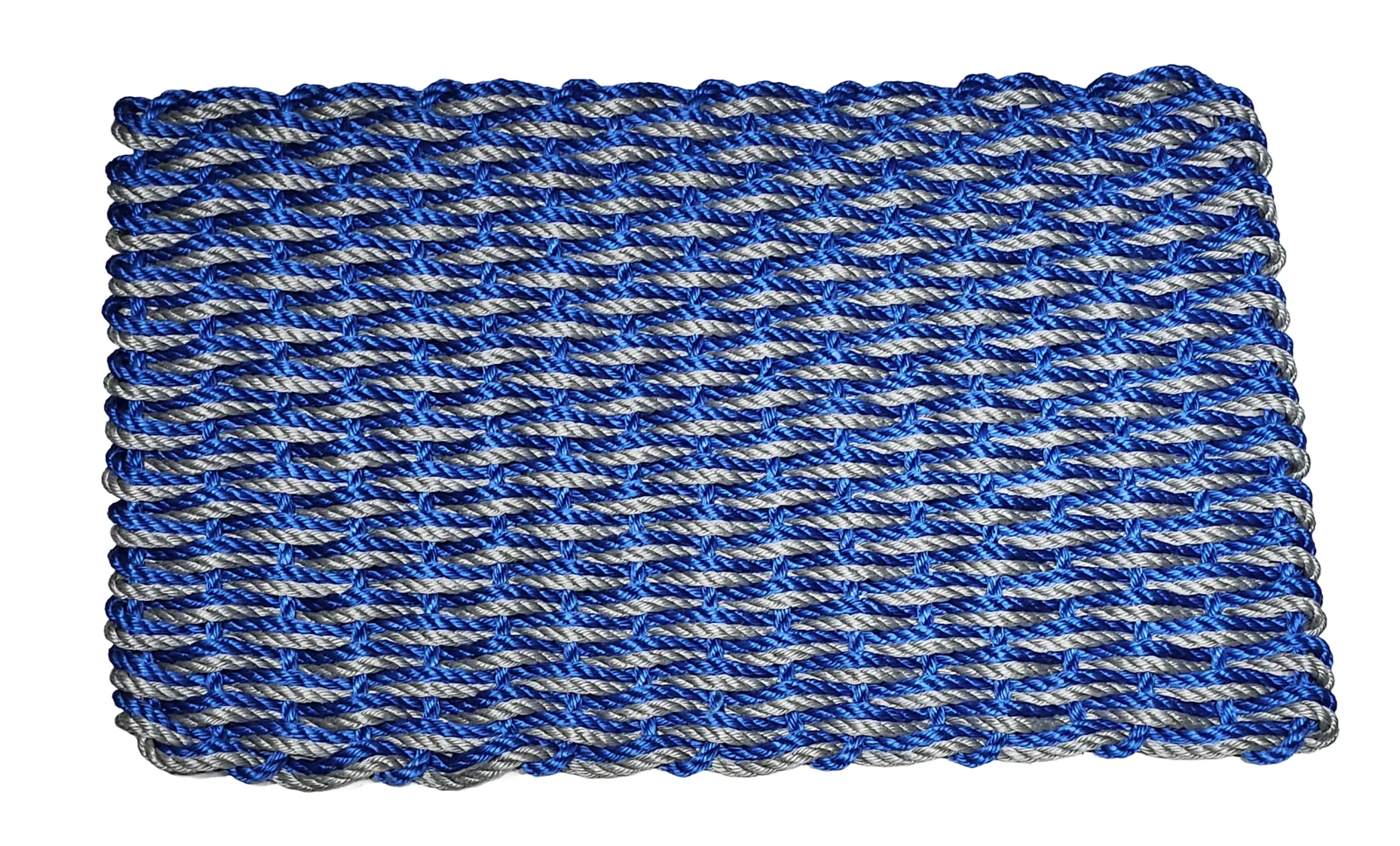
The wildcard — Royal Blue – Gray. The two-tone stripe hides scuffs and salt residue better than a solid color, since the contrast breaks up visible wear patterns. At $69.99 it costs the same as the solid options but works harder for docks that see bait buckets, coolers, and gear dragged across it daily. Buy if your dock traffic includes more than just walking feet.
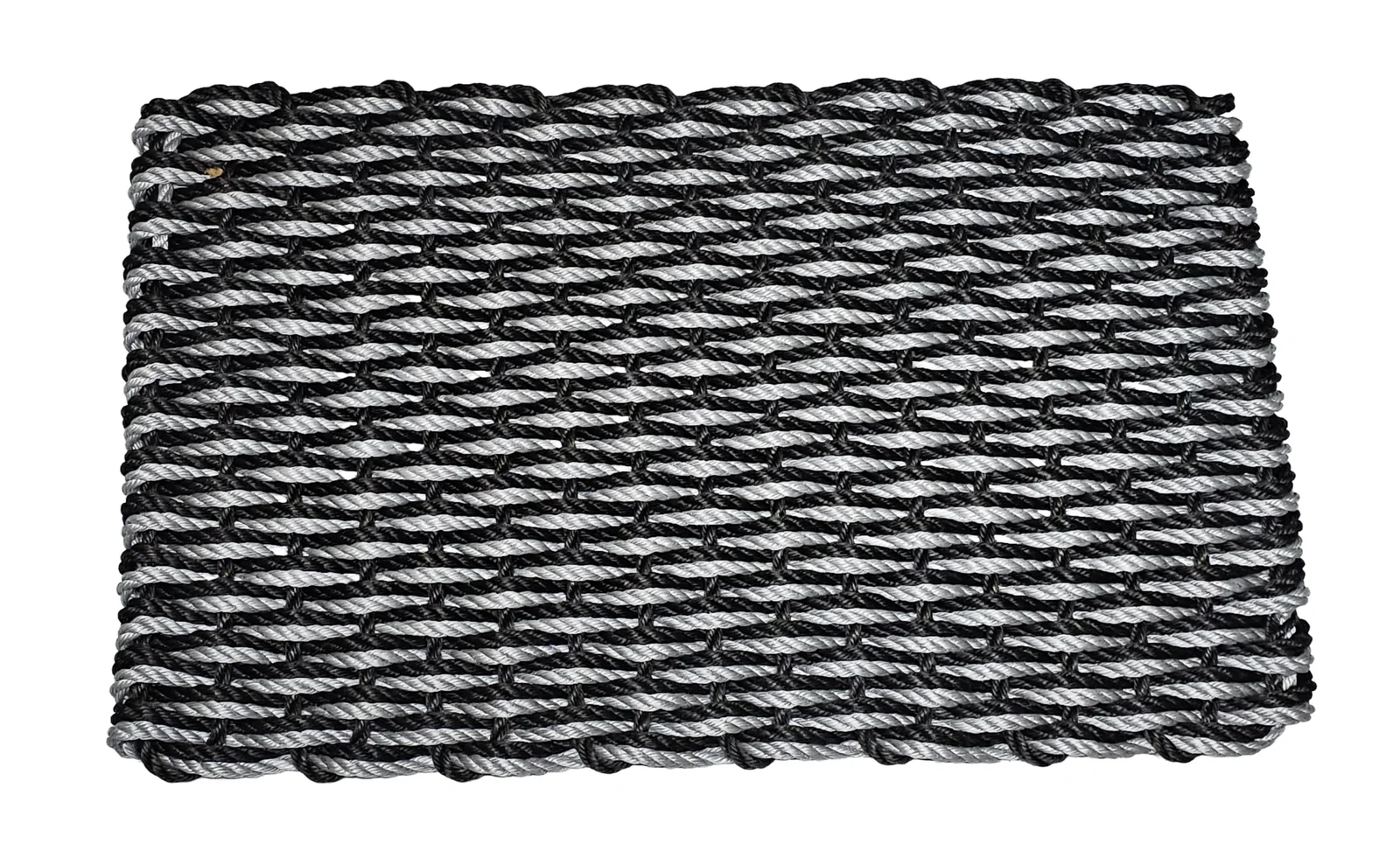
The low-maintenance pick — Black Gray. Dark tones hide grease, motor oil drips, and fish blood better than lighter colors, which matters near a boat lift or cleaning station. It still uses the same rope construction as the rest of the lineup, so durability doesn't change — only the visual forgiveness does. Buy for docks with a fish-cleaning station or a boat lift nearby.
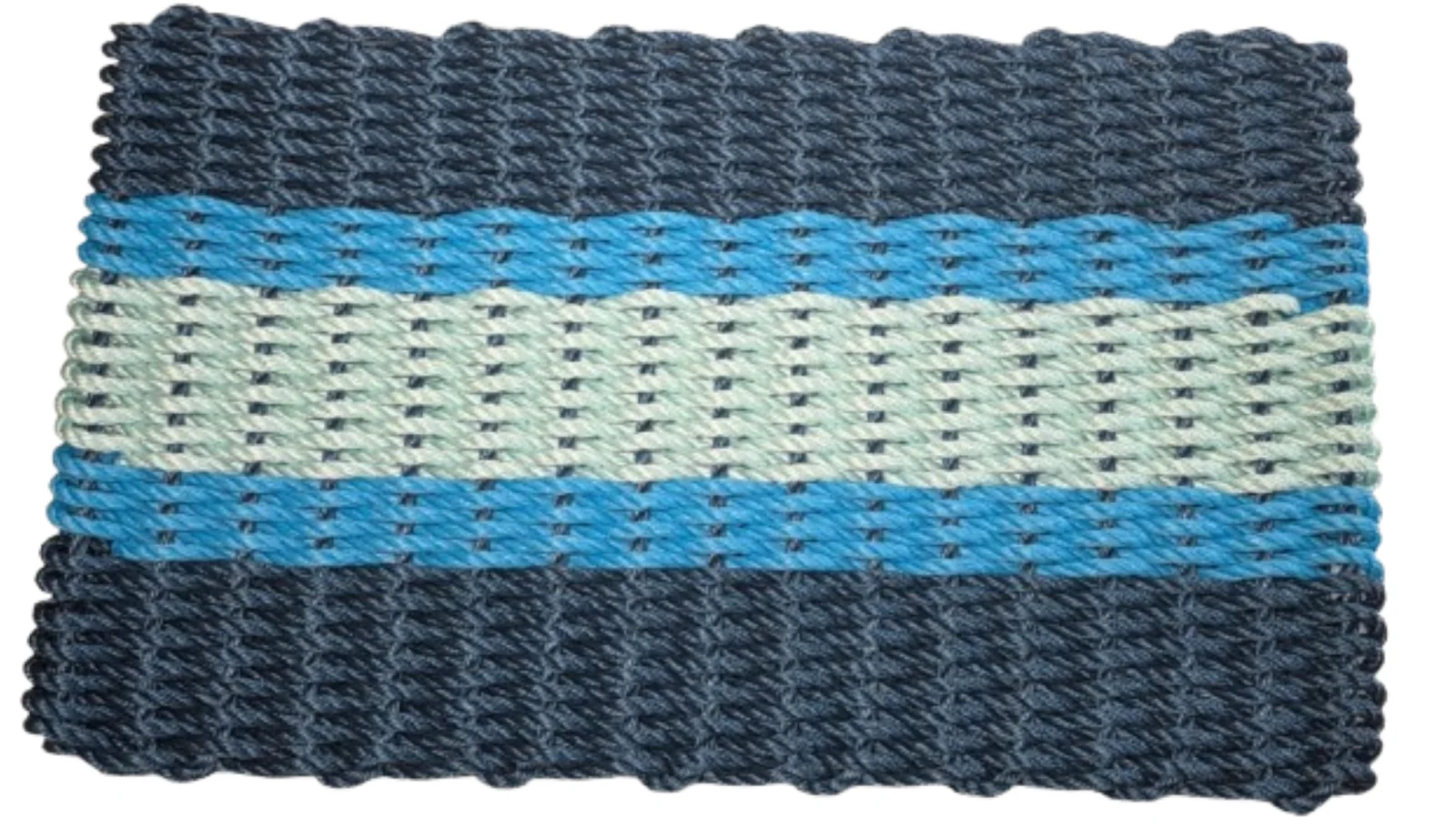
The color-block statement — 2 Navy 2 Light Blue 1 Seafoam. This one leans into the coastal look with a layered stripe pattern instead of a single color or two-tone split. It suits a lake house dock or a covered boathouse entry more than a working commercial slip, since the lighter tones show wear faster under heavy sand traffic. Consider it for a residential dock used more for relaxing than daily boat work.
| Pick | Best for | Price | Verdict |
|---|---|---|---|
| Navy | High-traffic private docks | $69.99 | Buy |
| Royal Blue – Gray | Docks with gear and coolers | $69.99 | Buy |
| Black Gray | Fish-cleaning stations, boat lifts | $69.99 | Buy |
| 2 Navy 2 Light Blue 1 Seafoam | Residential lake house docks | $69.99 | Consider |
For a wider look at how rope doormats compare against other outdoor mat types in wet, sandy conditions, see what actually works for wet shoes at coastal homes.
What’s the best nautical doormat for a boat dock in 2026?
A tight-weave lobster rope doormat is the best nautical doormat for boat dock use in 2026 because it drains water and salt spray instead of absorbing it. Solid colors like navy hide sand and dirt best on high-traffic docks.
Is a rope doormat better than a rubber mat for a dock?
Yes, a rope doormat beats a rubber mat on a dock because rubber backing traps moisture against wood decking and can encourage rot. Rope construction lets water flow through the weave instead of pooling underneath.
How much does a nautical doormat for a boat dock cost?
A handmade lobster rope doormat runs around $69.99 in 2026, depending on color pattern and size. That price sits in line with other durable outdoor rope mats built for saltwater exposure.
Do rope doormats fade in direct sun on a dock?
Rope doormats with color woven into the strand resist fading better than printed-pattern mats, which peel and dull within a season of full sun. Solid or two-tone weaves tend to hold color longer than light pastel stripes.
Can you hose off a rope doormat used on a boat dock?
Yes, a rope doormat is built to be hosed down or rinsed to clear out sand, salt residue, and fish scales. The open weave lets water pass through instead of settling into the fiber.
How long does a rope doormat last on a dock?
A quality lobster rope doormat is backed by a 10-year replacement guarantee, which reflects how much longer it’s expected to hold up against saltwater and sun compared to standard coir or printed mats.
What size doormat works best for a boat dock entry?
A size that fits snugly against a dock box, piling, or gangway entrance works best, since a loose or oversized mat is more likely to shift or blow into the water on a windy dock.
Are dark-colored doormats better for boat docks?
Dark colors like black and gray hide oil drips, fish blood, and salt residue better than light colors, which matters most near boat lifts or cleaning stations. Lighter stripe patterns still work fine on docks with lighter use.
The detail most dock owners miss: a mat that looks fine dry can still be the wrong pick if it doesn't drain fast when wet. Set a mat down, pour a cup of water on it, and time how long it takes to stop pooling on the surface — if it's still sitting there after a minute, it's not built for a dock that sees a boat coming in every few hours.