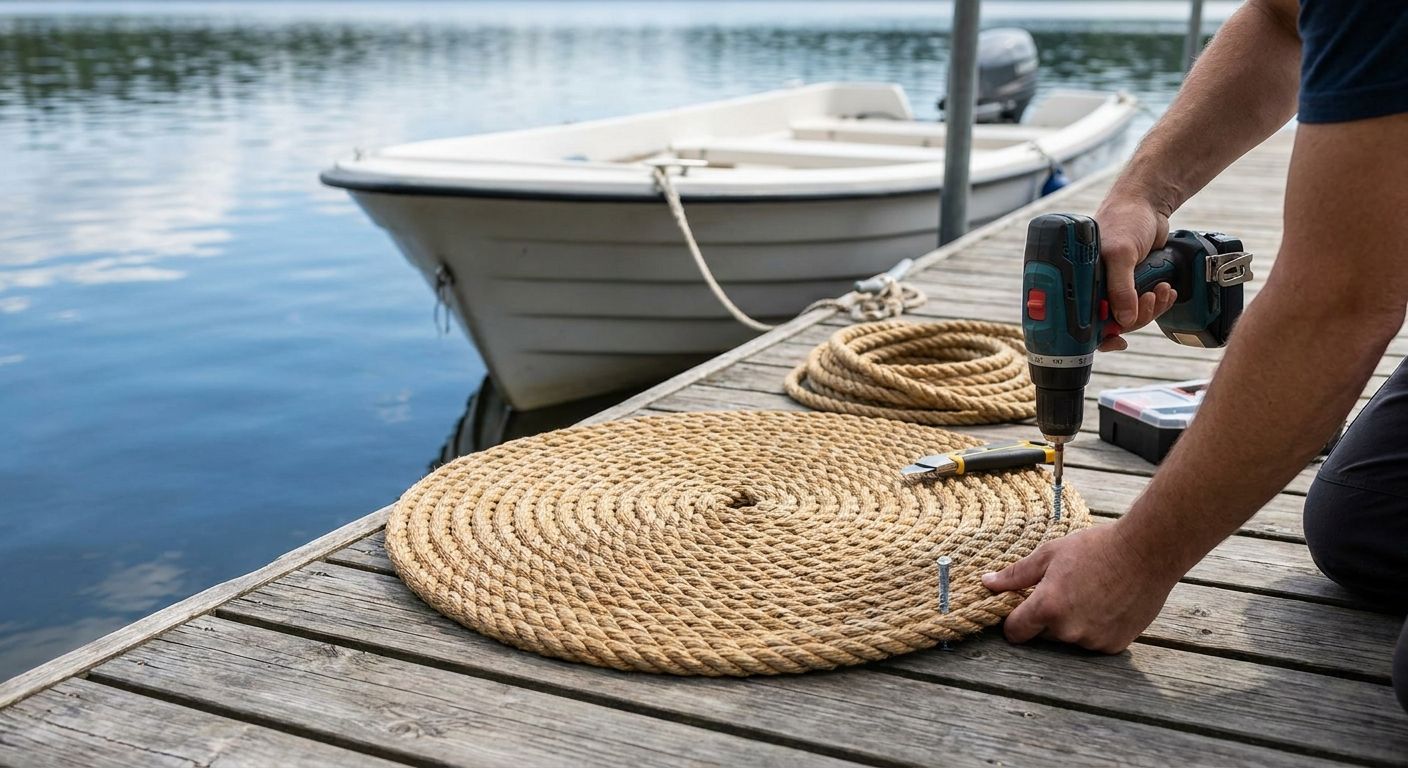
Installing a rope doormat on a boat dock takes less than 30 minutes with basic tools, and getting the anchoring right the first time is what separates a mat that lasts through hurricane season from one that ends up floating in the marina by July.
A dock entry takes a beating that a front porch never sees: standing saltwater, direct sun reflecting off the water, boat traffic wake, and constant foot traffic in wet shoes. Cheap coir mats mildew and disintegrate within a season in that environment. A handwoven rope doormat built for boat docks is made from thick lobster rope stock that's designed to sit wet and dry out fast, but the installation still matters lay it wrong and even a durable mat curls, slides, or traps sand against the decking.
Getting this right in 2026 isn't complicated. It comes down to picking the right spot, securing it against wind and wake, and setting a rinse routine from day one.
Dock boards are narrower than porch boards, and most residential dock entries run 24 to 36 inches wide. Measure the walkway where foot traffic funnels, usually the gap between piling and gate, or the last few feet before the ramp, and round down slightly so the mat doesn't hang over the edge into open water. A mat that overhangs a dock edge becomes a trip hazard and a magnet for wave splash.
Common mistake: measuring the widest part of the dock instead of the actual walking path, which leaves the mat oversized and prone to shifting.
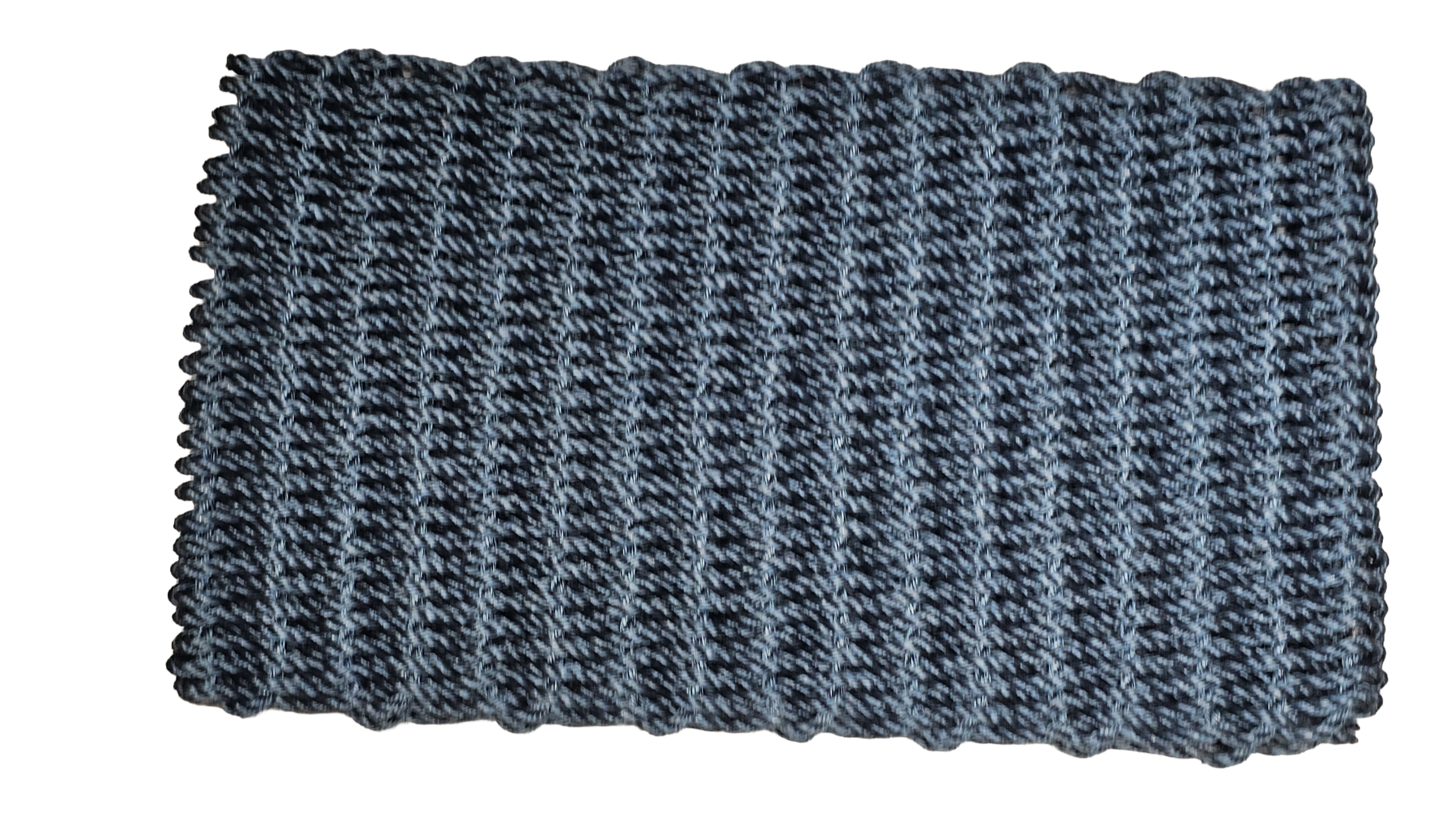
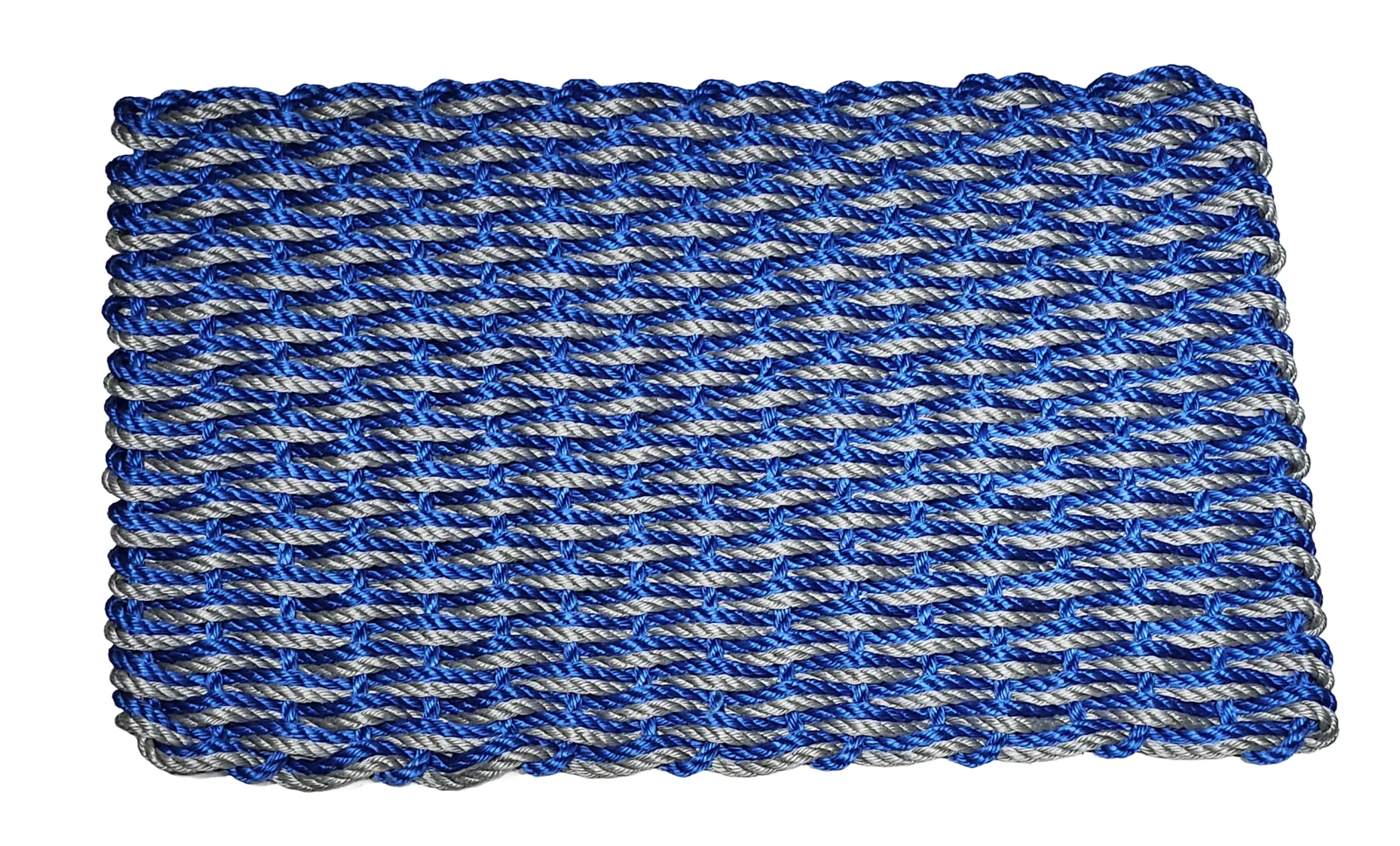
Not every outdoor mat is built for standing water and UV reflecting off the surface below. Darker, saturated colors like Navy or a Royal Blue-Gray blend hide salt residue and algae staining far longer than pale tans on a dock. The rope itself needs to be a marine-grade poly blend, not a natural fiber that wicks moisture and rots.
This is the step most people skip, and it's why so many dock mats look ruined by their second summer.
Lay the mat on the dock boards dry, walk across it a few times, and check that it sits flat without rocking on uneven planks. Dock decking shifts more than a poured porch slab, so shimming or repositioning now saves you from drilling into the wrong spot later.
If the mat rocks on a high board, slide it a few inches until it settles flat across at least three boards for stability.
Rope doormats have built-in gaps between the coils, use those instead of drilling through the rope itself. Set 4 screws at the corners, driving them at a slight inward angle so the screw head sits flush against the coil and doesn't catch a bare foot or a fishing line.
Docks that see regular wind gusts above 20 mph need all four corners anchored. Calmer, covered docks can often get away with just the two corners facing open water, leaving the landward edge loose enough to lift for shake-out.
Common mistake: overtightening screws into the rope, which compresses the coil and creates a permanent flat spot.
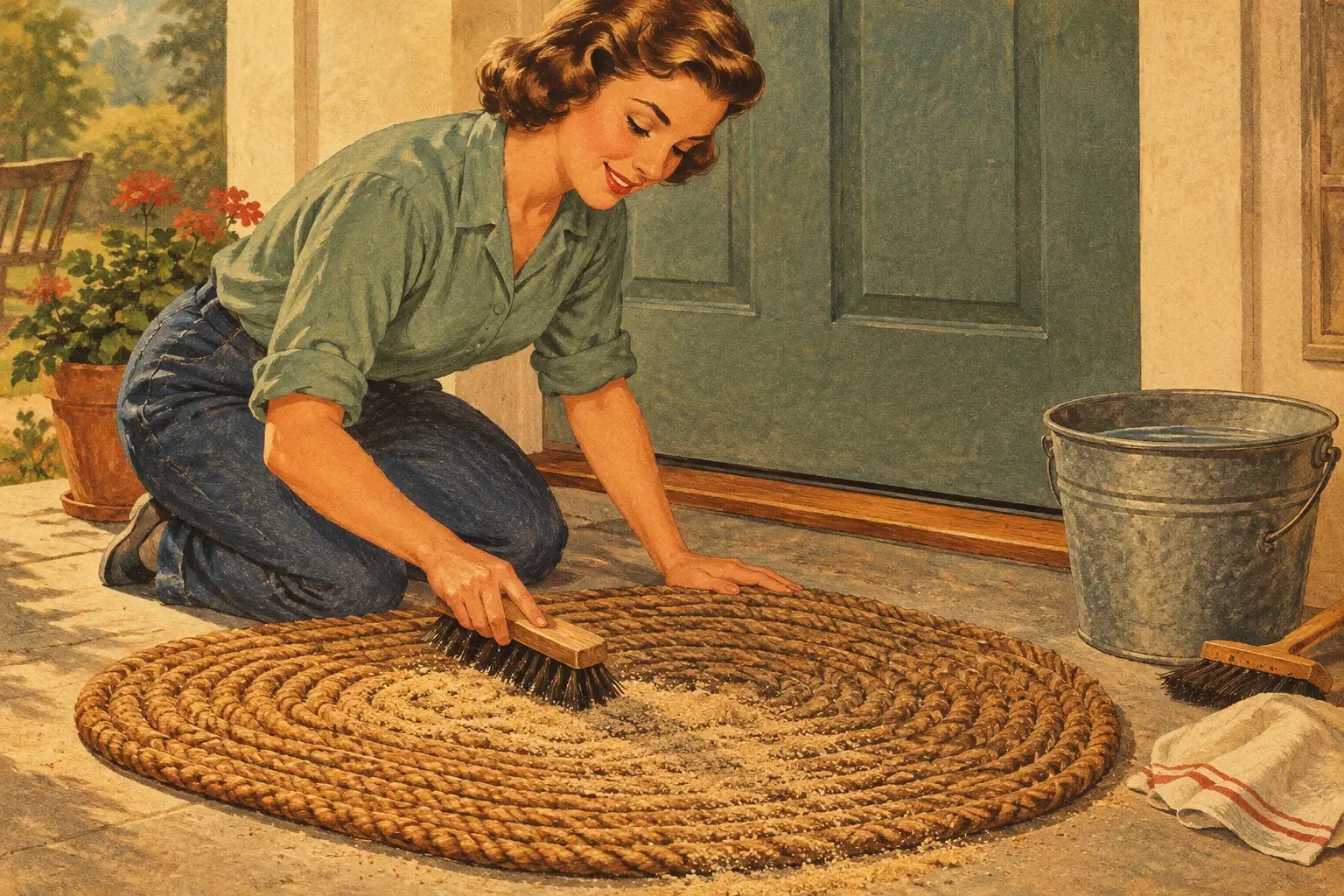
Even a brand-new mat picks up manufacturing dust and packaging residue. A quick fresh-water rinse before it goes into service sets a clean baseline, so you know exactly what normal wear looks like versus salt buildup later. For a full seasonal deep clean routine once the mat's been in service a few months, the rope doormat cleaning guide covers the shake-and-rinse method in detail.
Docks on open bay or ocean-facing water need a fresh-water rinse every 2 to 3 weeks in peak boating season, salt crystals that sit in the rope longer than that start to stiffen the weave. Lake and canal docks with less salt spray can stretch that to once a month.
Stainless screws still loosen from vibration and temperature swings between winter and summer in Florida's climate. A 5-minute check each spring, snug any loose screws, swap any showing rust bleed, keeps the mat from working itself loose mid-season.
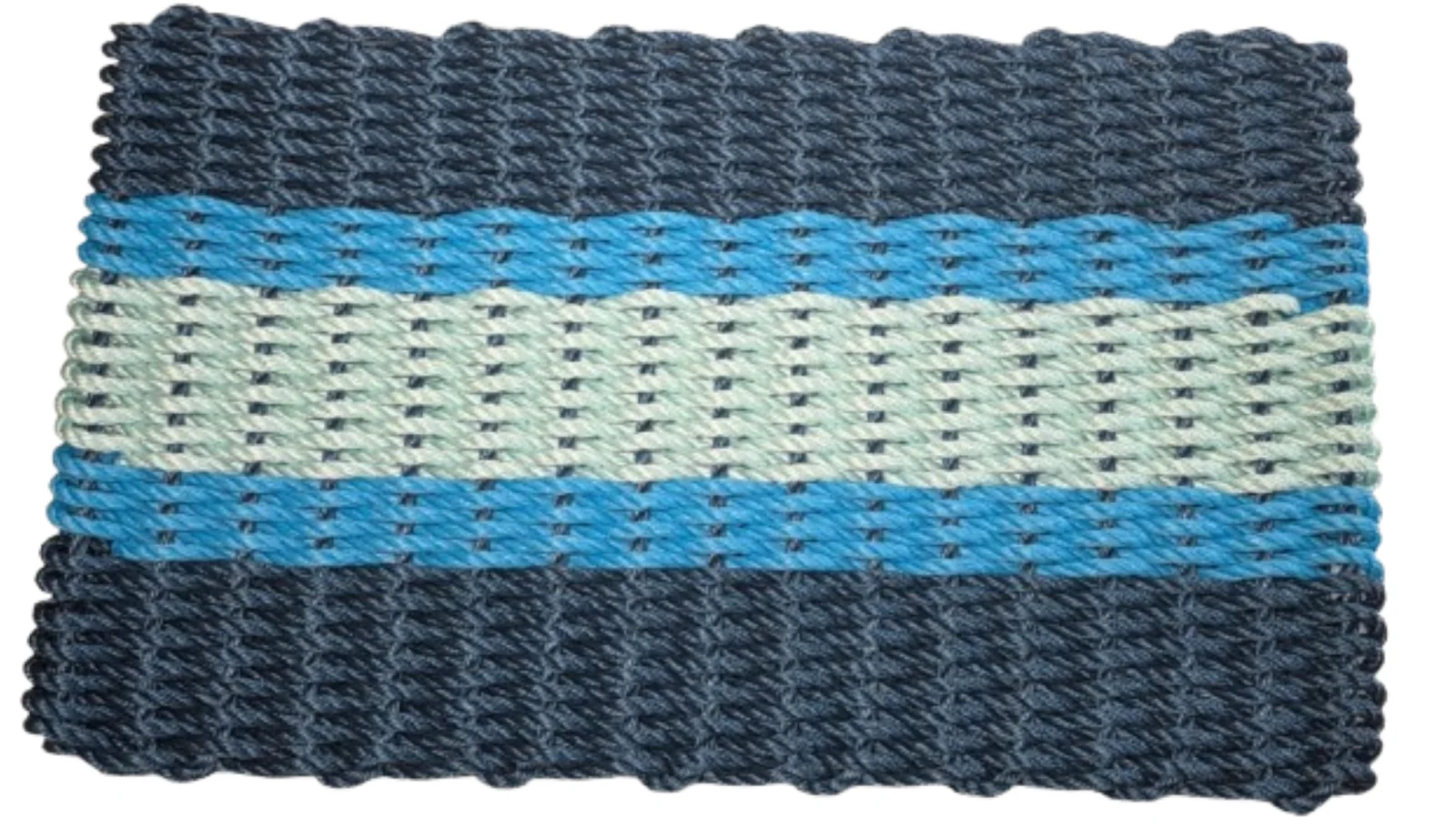
Once the mat's anchored and rinsed, the maintenance routine is what protects the 10-year replacement window most dock owners actually rely on. Set a recurring reminder for the fresh-water rinse and the spring fastener check, it's a 10-minute job that keeps a $69.99 mat looking new for years instead of one season.
How do you install a rope doormat on a boat dock?
Measure the dock entry, dry-fit the mat flat across at least three boards, then anchor it at the corners through the rope’s natural gaps with 4-6 stainless or marine-coated screws. Skip adhesive on treated dock lumber since it traps moisture underneath.
Do rope doormats need to be screwed down on a dock?
Docks with regular wind gusts or boat wake need all four corners anchored; calmer, covered docks can often loose-lay the landward edge for easier shake-out. Open bay and ocean-facing docks should anchor every corner.
How often should you rinse a dock doormat?
Rinse with fresh water every 2 to 3 weeks on saltwater docks and monthly on lake or canal docks. Salt crystals left in the weave longer than that start to stiffen the rope.
What screws should you use to anchor a rope doormat on a dock?
Use stainless steel or marine-coated screws, never standard zinc hardware, since zinc rusts and streaks the rope within a single season near saltwater.
Can you use a lobster rope doormat on a floating dock?
Yes, but loose-lay it rather than screwing into floating dock decking, since floating docks flex and shift more than fixed pilings. Check the mat position after storms.
What size rope doormat fits a typical boat dock entry?
Most residential dock entries run 24 to 36 inches wide at the walking path. Measure the actual foot-traffic gap, not the widest part of the dock, before ordering.
How long does a rope doormat last on a dock?
A marine-grade rope doormat rinsed every 2-3 weeks and checked each spring for loose fasteners typically holds up for multiple boating seasons under a 10-year replacement guarantee.
Why does a dock doormat smell musty?
A musty smell usually means the mat isn’t drying fully between uses. Prop it on edge against a railing after heavy rain instead of leaving it flat on wet decking.
Most dock owners anchor all four corners out of habit, but a loose landward edge is what actually extends a mat's life in 2026, it lets you flip the mat up in seconds for a weekly shake-out instead of unscrewing hardware every time sand builds up underneath.