A rope doormat that curls at the edges usually needs a flat reset, not a replacement — here's what causes the curl and the fastest way to press it back down before another Florida rainy season sets it permanently.
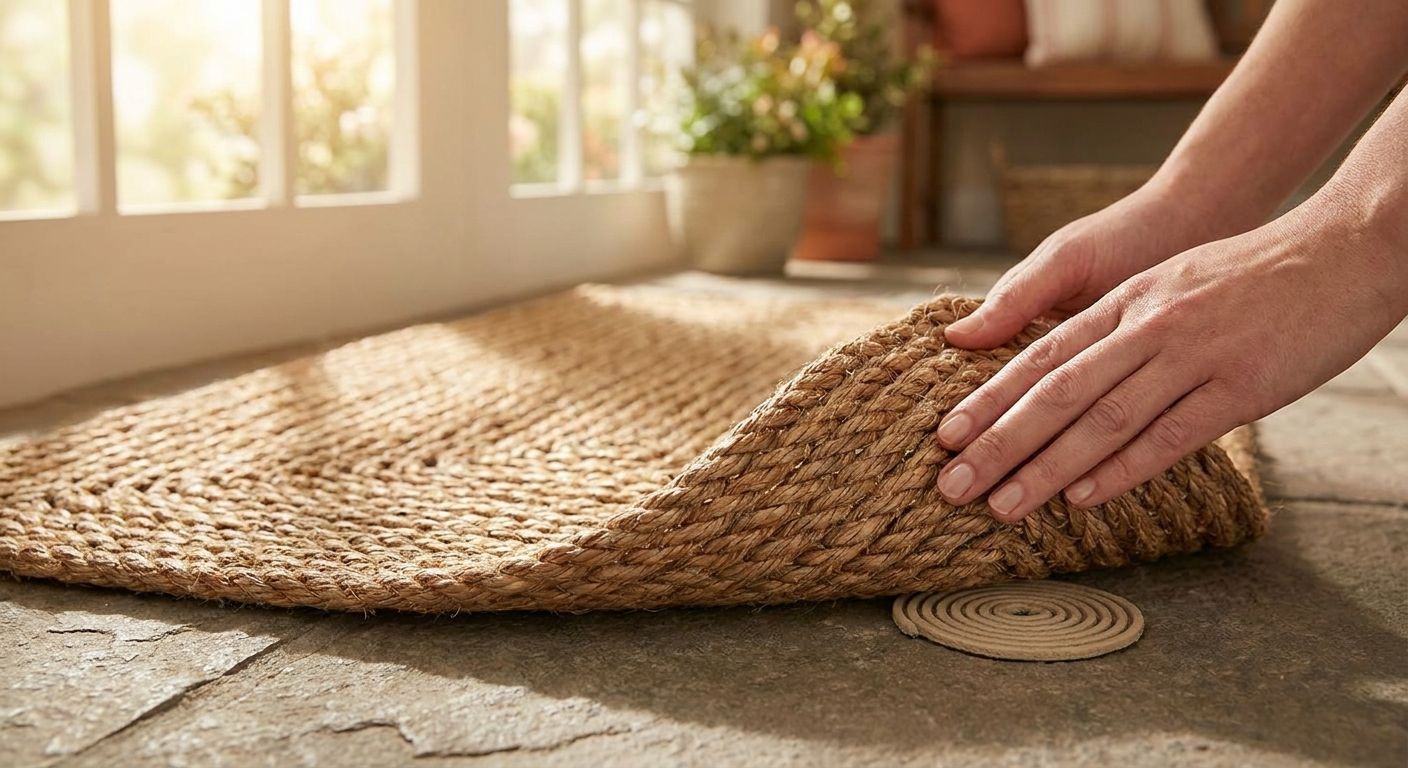
A rope doormat curls at the edges when the lobster rope absorbs moisture unevenly and dries without anything holding the weave flat — the fix is pressing the mat flat under weight while it's still slightly damp, then letting it finish drying on an open, flat surface instead of a curved threshold. The cause most owners miss is shipping and storage: a mat rolled or coiled for even a few days locks a curl into the rope that sun exposure and flattening alone can take weeks to undo.
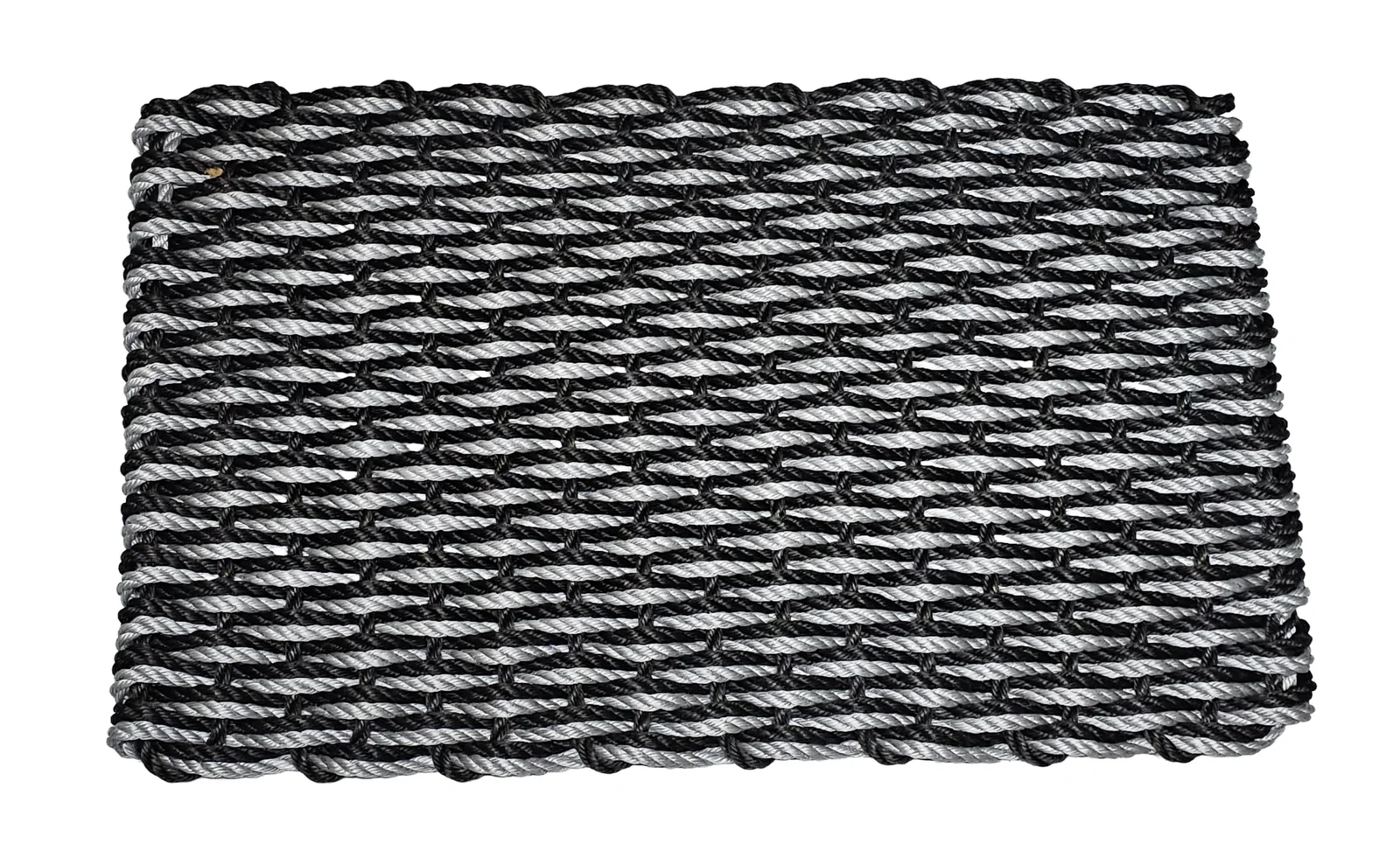
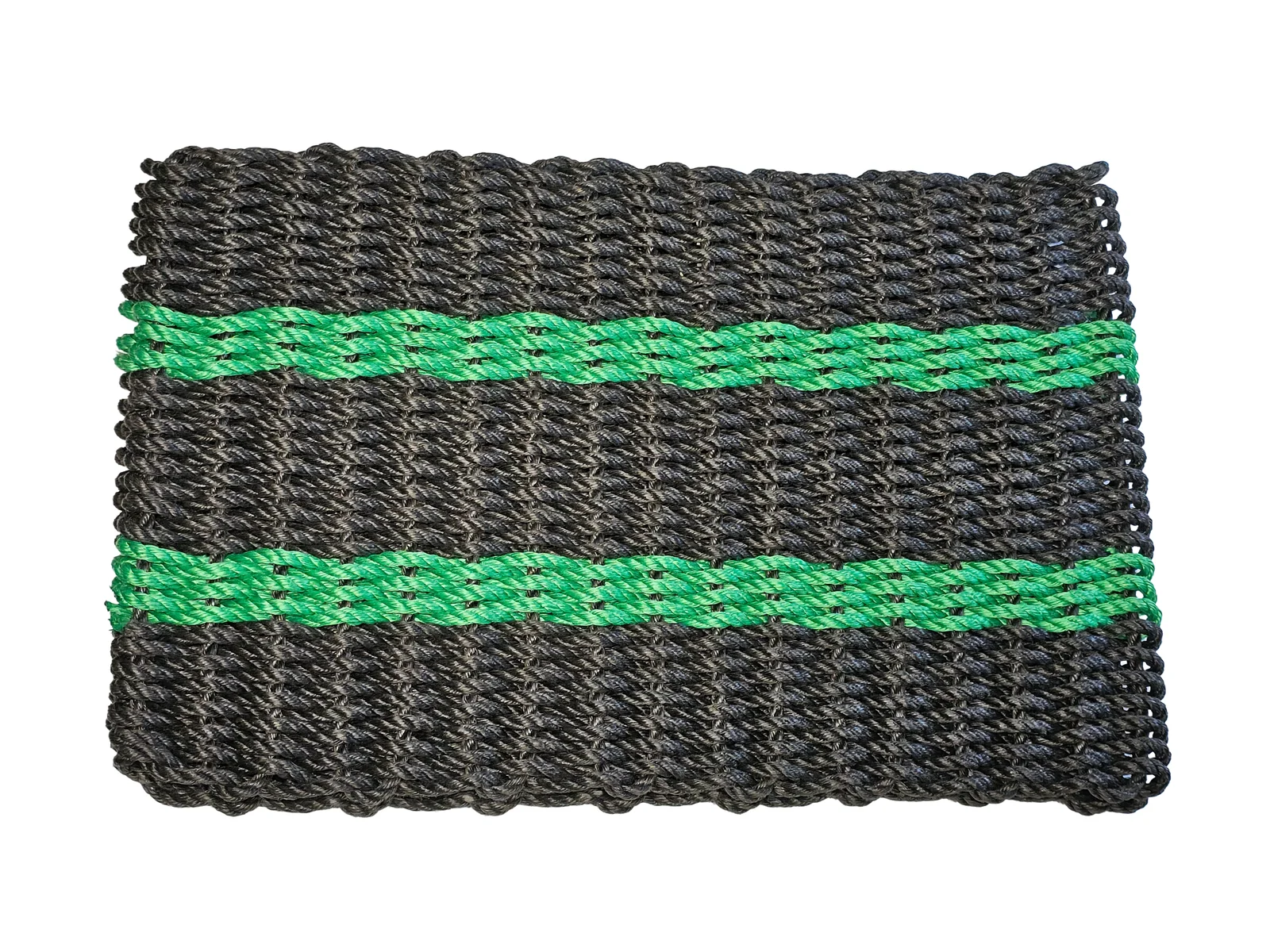
A curling edge isn't just cosmetic. Edges that lift catch on shoes, let pets trip on the corner, and give sand and rainwater a gap to run under the mat instead of over it. Rope construction matters here — thicker strands used in a denser rope weave absorb and release moisture at a different rate than the strands packed tighter in the center, and that mismatch is exactly why edges warp first.
Ignore a curl for one Florida wet season and it tends to set for good. Catching it in the first few weeks after the mat arrives, or right after a wash, is the cheapest fix you'll get in 2026.
Follow these steps in order the first time you notice lift at the corners:
Ropemats Florida ships every lobster rope doormat flat, not rolled, specifically to avoid shipping-induced curl before it ever reaches a customer's entryway. Each mat also carries a 10-Year Replacement Guarantee if the weave fails under normal outdoor use, which covers the structural side of durability — the flattening habits above are what keep the shape right day to day.
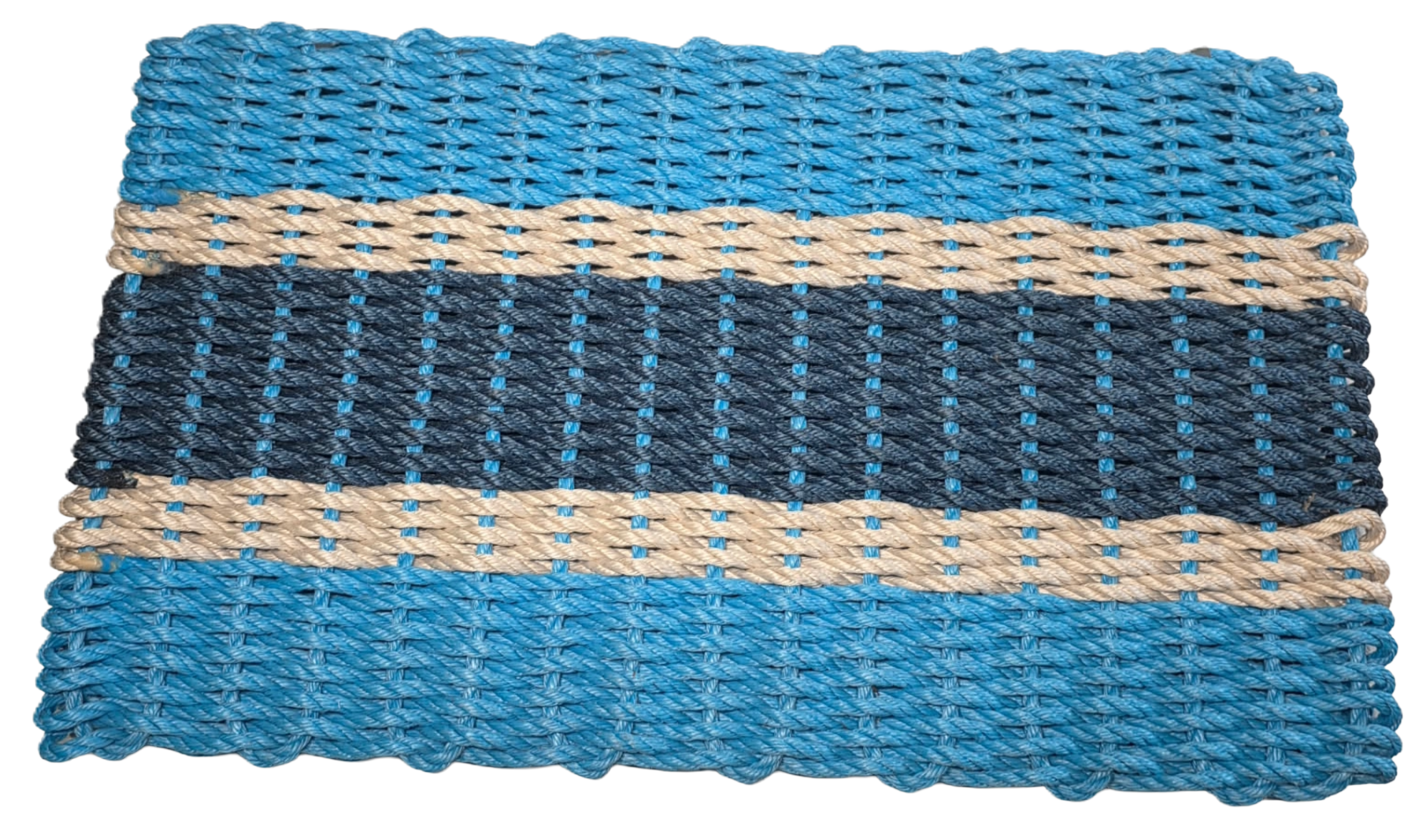
Some curl relaxes naturally as humidity levels out through the seasons, but a curl caused by rolled shipping or off-season storage usually needs deliberate flattening under weight first. Waiting it out can take months, and the curl often comes right back the next time it rains hard.
Steam works better than an iron on a curling rope doormat: hold a garment steamer a few inches from the curled section, then press the damp rope flat under weight until it dries. Direct iron heat can scorch rope fiber or dry it too fast, which tends to make the curl worse instead of better.
A denser weave with thicker rope resists curling better simply because there's more mass holding the edge down. Even a heavy lobster rope doormat curls if it sits rolled in storage or on a surface that traps water underneath it.
What causes a rope doormat to curl at the edges?
Uneven moisture absorption and drying, plus rolled shipping or storage, cause most rope doormat curling. Flattening the mat under weight while it’s slightly damp fixes it in most cases.
How do you flatten a curled rope doormat?
Press the mat flat under a few heavy books or a planter for a day or two, ideally while the rope is still a little damp, then let it finish drying flat instead of propped against a door.
Should you store a rope doormat rolled or flat?
Store a rope doormat flat, never rolled. Rolling bends the outer rope strands and locks in a curl that can take weeks of flattening to reverse.
Does a rope doormat lie flatter over time?
Most rope doormats relax and lie flatter after the first few weeks of regular use and weather exposure. A curl set by rolled shipping still needs a manual flattening push first.
Can you use a rope doormat on concrete without it curling?
Yes, but set it on a spot that dries between uses rather than a permanently damp corner. Moisture trapped between the rope and solid concrete dries slower on the bottom than the top, and that mismatch pulls the edges up.
How often should you flip a rope doormat?
Flip or rotate a rope doormat every few weeks so foot traffic and sun exposure wear evenly instead of curling one edge more than the others.
Is a heavier rope weave less likely to curl?
A denser, heavier rope weave resists curling better than a light one because the extra mass holds the edges down, though it still needs flat storage and drying.
Does salt air make rope doormats curl faster?
Salt air speeds up the humidity swings that cause curling, so coastal entryways need more frequent flattening and rotation than inland homes do.
The single biggest curl-prevention step happens before the mat ever touches your porch: unroll it and flatten it under weight the moment it arrives, before shipping compression or a humid Florida week gets a chance to set the shape. A mat flattened on day one almost never needs the steamer trick later — the ones that curl worst are the ones left rolled in a garage for a season before anyone unboxed them.