Salt water is patient. It doesn't destroy a rope doormat in one afternoon — it works into the fibers a little at a time, crystallizing between the strands until the weave stiffens, cracks, or bleaches out. Protecting a rope doormat from salt water comes down to four habits: rinse before salt dries, dry the mat flat out of direct sun, keep it off standing water, and clean it on a schedule instead of waiting until it looks bad.
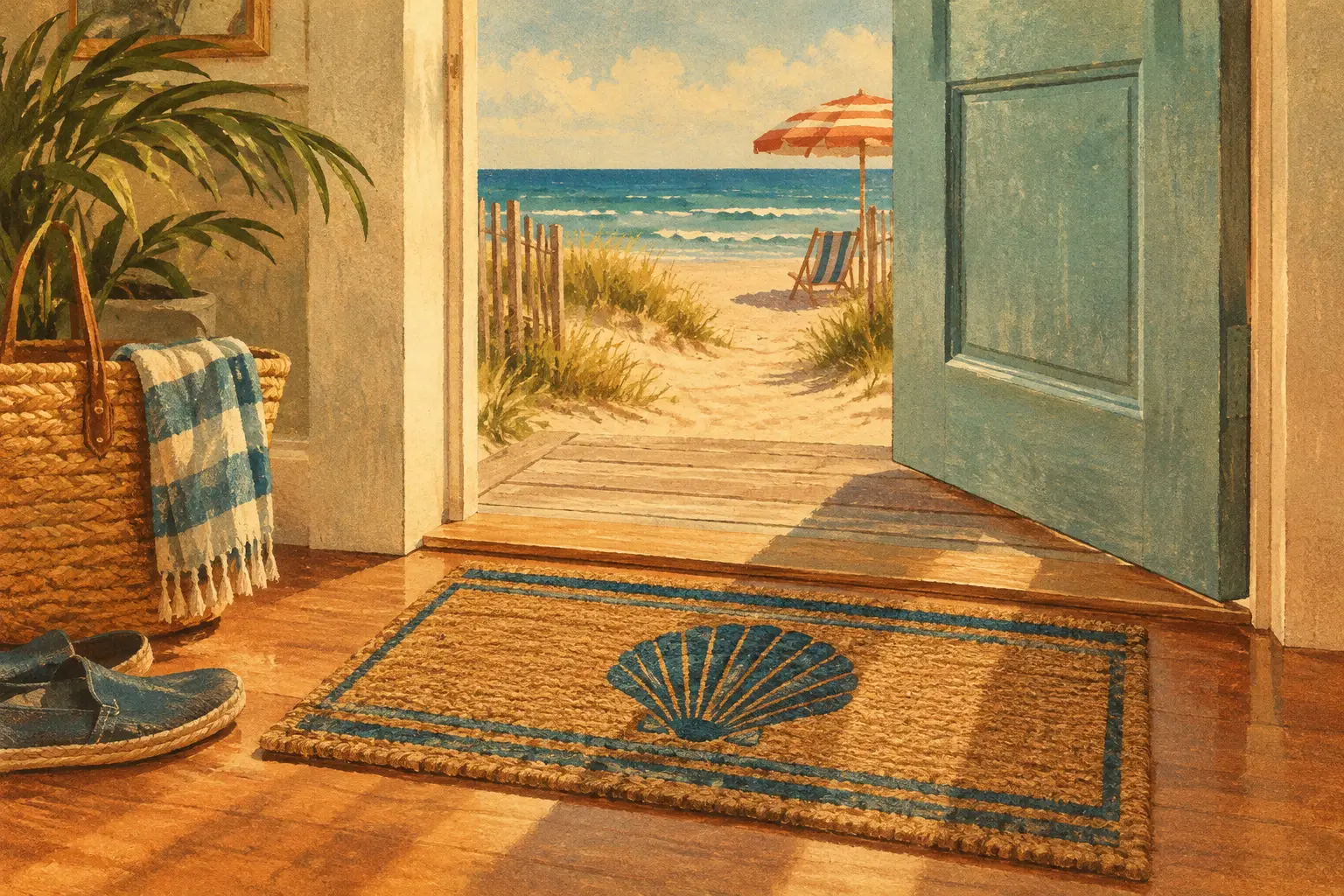
Rope doormats are built for outdoor abuse, but salt water changes the math. Fresh rain rinses off a porch mat on its own. Salt spray doesn't — it sits in the weave, dries into a white crust, and slowly abrades the fiber every time someone steps on it. Homes and boats in salt air climates see this faster than inland properties, especially within a few hundred feet of open water.
A doormat that gets rinsed regularly can outlast one left to weather in on its own by years. That's the whole point of this guide: a five-minute habit versus a mat that curls, stiffens, or fades out by the second season.
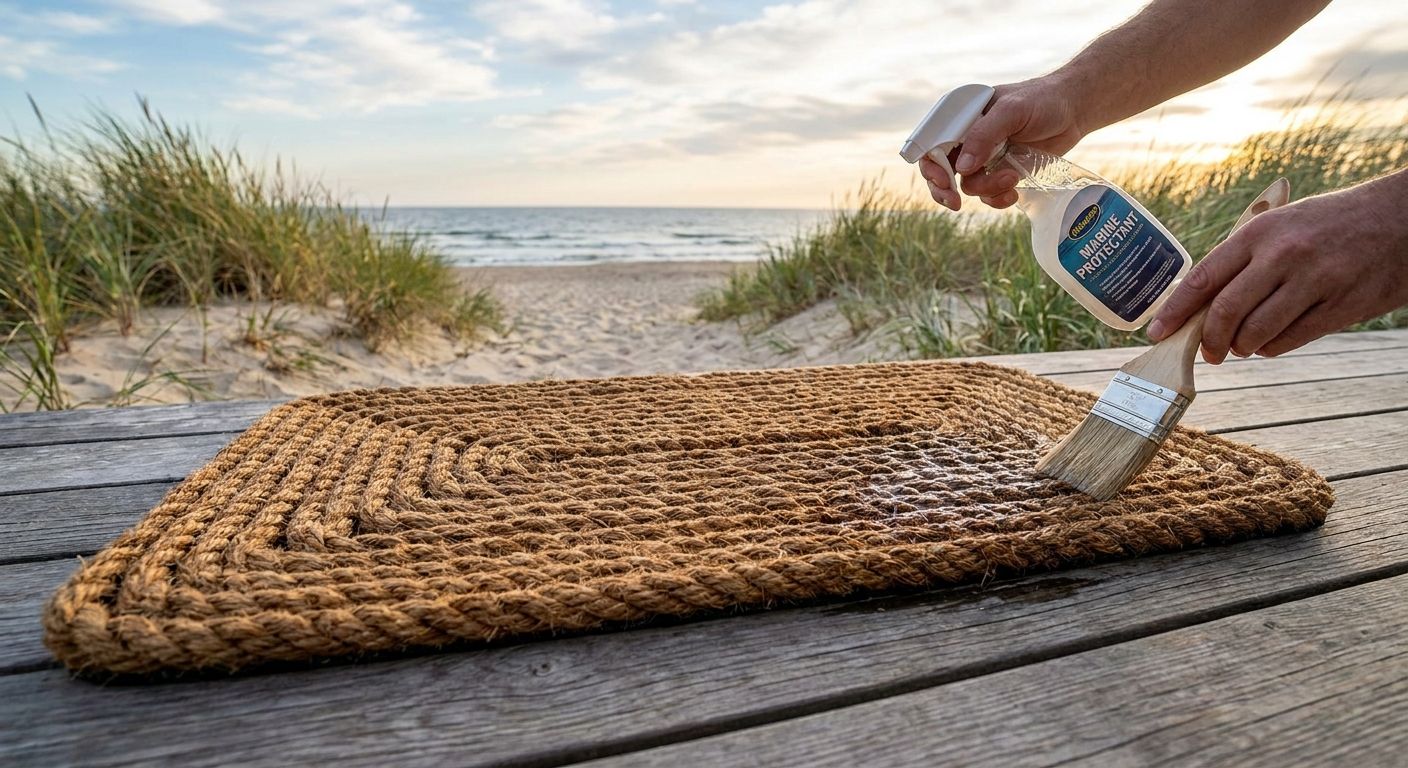
Salt water left on rope fiber dries into a fine crust that works like sandpaper underfoot. Hose the mat down within a few hours of any salt exposure — after a beach walk, a dock trip, or a storm surge splash. A 30-second rinse front and back is usually enough. Common mistake: waiting until the mat looks salty — by then the crystals have already dried into the weave.
Sand trapped between rope strands acts like an abrasive every time someone steps on the mat. Pick it up and give it two or three hard shakes, or flip it and tap the back. This single habit adds real years to a mat sitting at a beach house entry or boat dock in 2026 conditions of constant foot traffic. Common mistake: sweeping the surface instead of shaking — sweeping just pushes grit deeper into the rope.
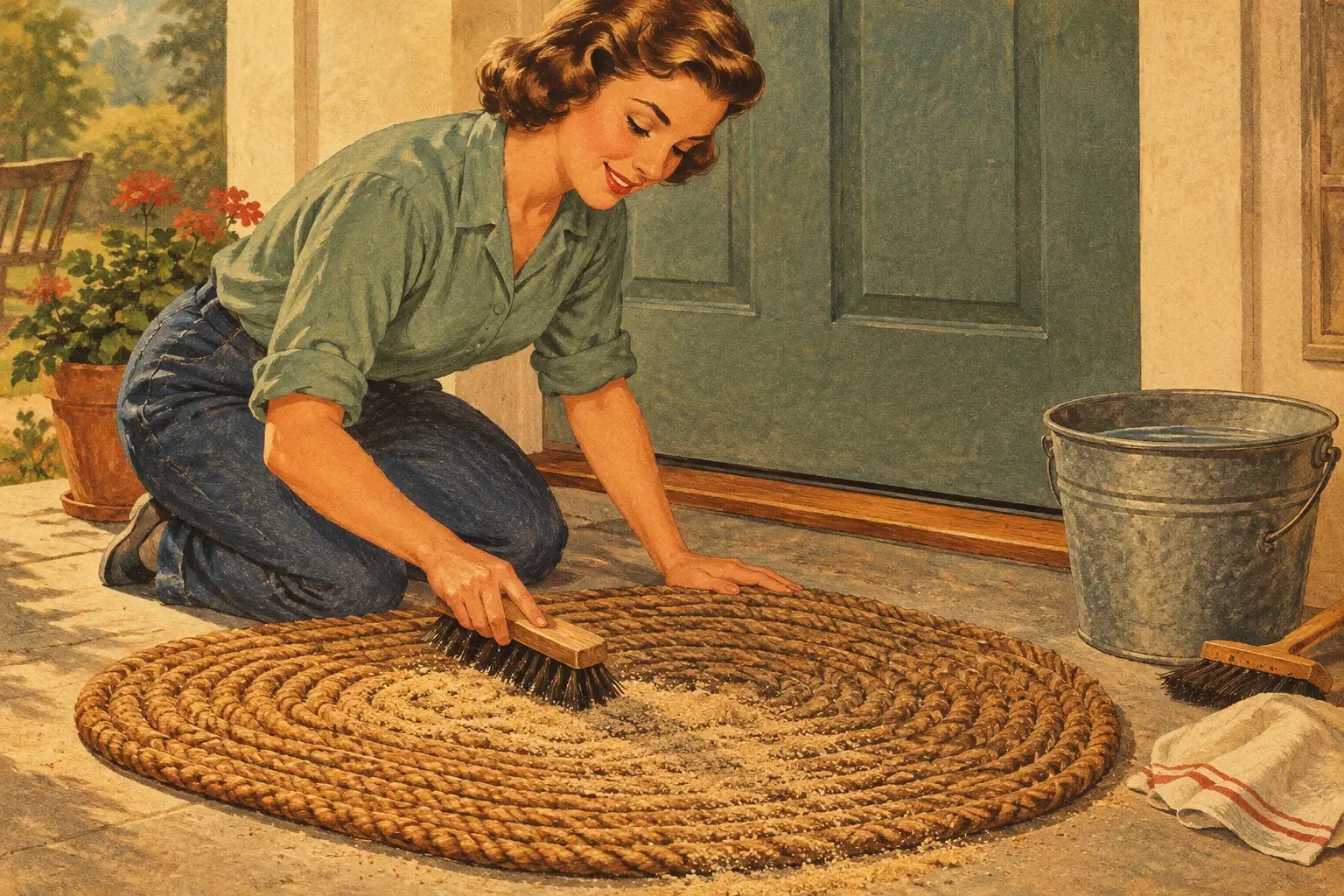
A light soap wash strips salt film that a plain rinse misses. Mix a few drops of dish soap into a gallon of water, work it into the rope with the stiff brush, then rinse thoroughly — soap residue attracts more grime than it removes. Full step-by-step wash instructions live in the lobster rope doormat cleaning guide if the mat needs a deeper reset. Common mistake: using bleach or ammonia-based cleaners — they break down natural rope fiber faster than salt does.
Direct sun combined with residual salt is the fastest way to fade a colored doormat. Lay it flat in a shaded, ventilated spot — leaning it against a wall traps moisture on one edge and invites mildew. Most mats are dry within a few hours in Florida humidity if there's airflow underneath. Common mistake: stacking a wet mat or leaving it folded — trapped moisture is where mildew smell starts.
Standing salt water is worse than a splash — pooled water sits in the weave for hours instead of minutes. On a boat dock or an RV entry step, set the mat on a raised threshold or slatted tray so water drains through instead of collecting underneath. This matters most for anyone using nautical doormats for boat docks, where wave splash is a daily event, not an occasional one. Common mistake: laying the mat flush against a non-draining dock surface.
Check for stiffness, white residue, or fraying at the edges — catching it early means a quick wash instead of a replacement. Bend a corner of the mat; if it feels brittle instead of flexible, it's overdue for a deep clean. Common mistake: only checking the mat when it starts to smell — stiffness shows up well before odor does.
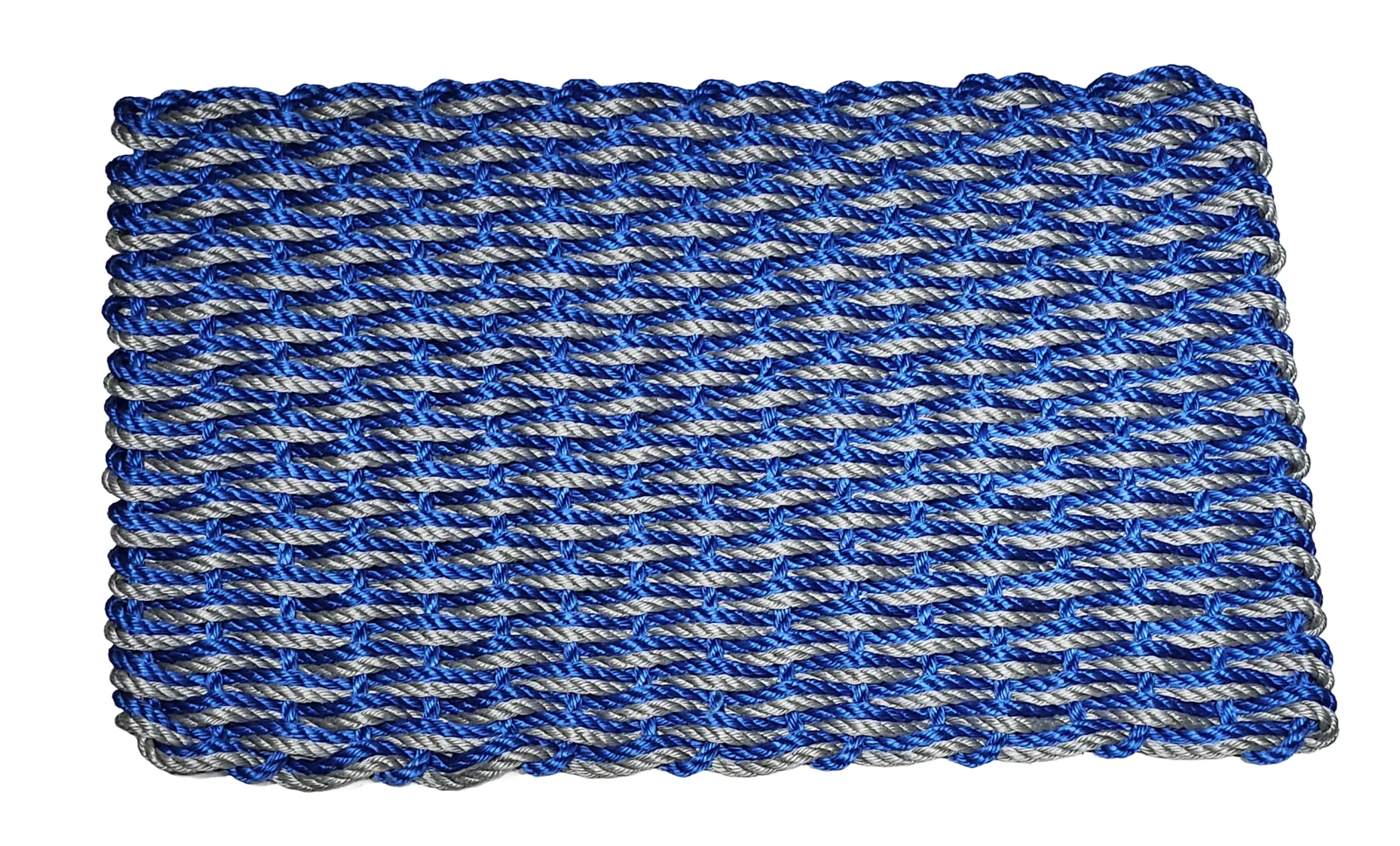
Once the rinse-and-dry routine is a habit, the next thing to check is placement. A mat sitting in direct dock spray needs more frequent attention than one under a covered entry, and color choice affects how visible salt fade becomes over time. If the mat is showing wear despite regular care, a full wash cycle resets most of the damage before it becomes permanent.
How often should you rinse a rope doormat exposed to salt water?
Rinse it within a few hours of salt exposure, and give it a full soap wash weekly if it’s near open water. Waiting longer lets salt dry into the fiber, where it’s harder to remove and causes stiffness.
Can salt water ruin a rope doormat permanently?
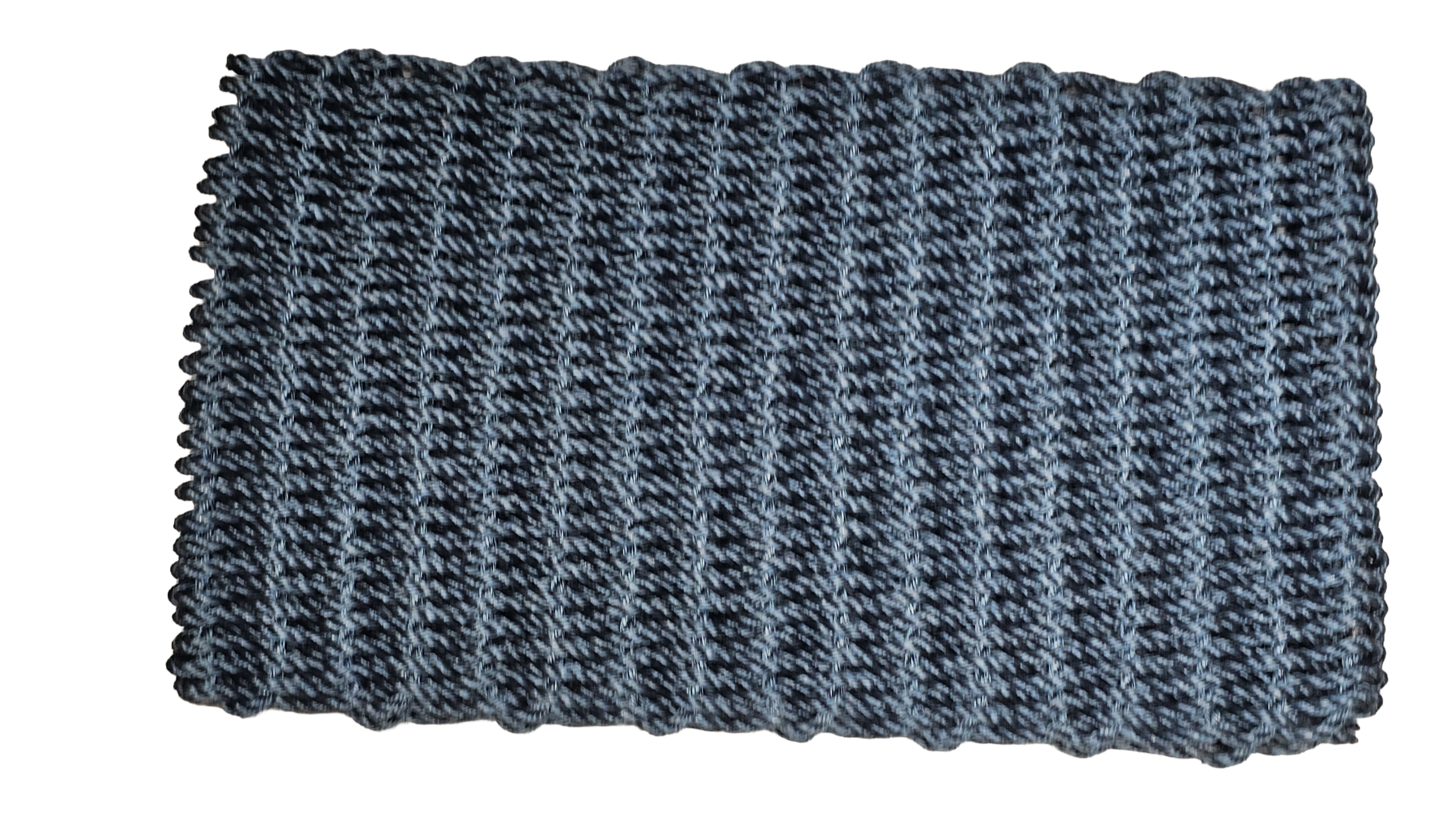
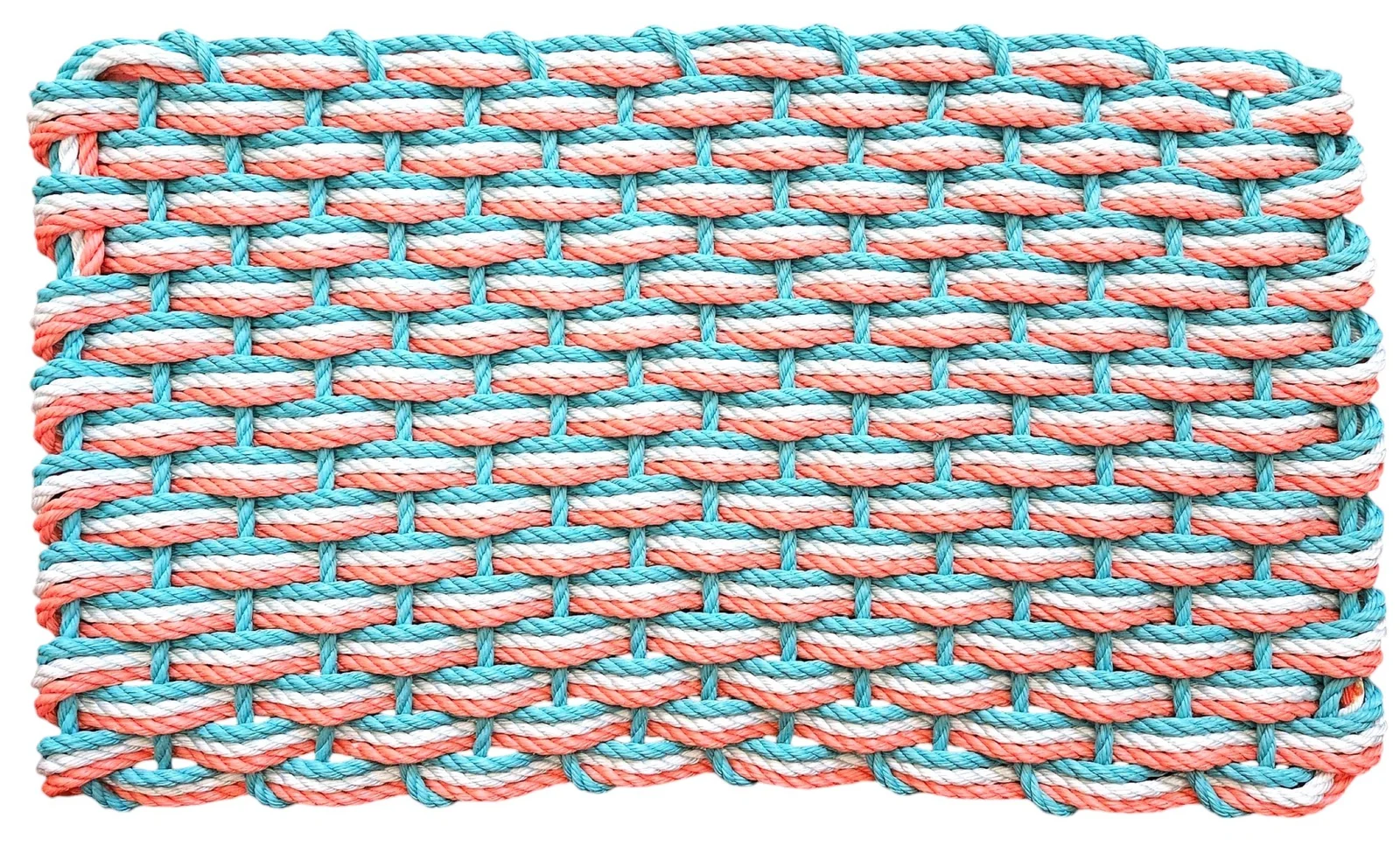
Salt water alone rarely ruins a rope doormat, but repeated exposure without rinsing causes stiffening, cracking, and fading over time. A lobster rope doormat handles salt air far better than cotton or coir when it’s rinsed regularly.
Is a lobster rope doormat better than a coir mat for salt air?
Yes, lobster rope holds up better than coir in salt air climates because the fiber resists the brittleness that coir develops after repeated wet-dry cycles. Coir also tends to shed fibers faster once salt works into the weave.
What’s the best way to dry a rope doormat near the beach?
Lay it flat in a shaded, ventilated spot rather than direct sun. Direct sun combined with residual salt is what fades color and dries rope fiber out fastest.
Do rope doormats work on boat docks?
Yes, rope doormats are a common choice for boat docks because they drain quickly and resist mildew better than foam or rubber mats. They still need to be rinsed after heavy splash and elevated off standing water.
How much does a lobster rope doormat cost?
Pricing varies by size and color pattern, so check current listings on the site for exact figures. Most colorways come with a 10-year replacement guarantee regardless of price point.
Can you use bleach to clean salt residue off a rope doormat?
No, bleach and ammonia-based cleaners break down natural rope fiber faster than salt exposure does. Mild dish soap and a stiff brush remove salt residue without damaging the weave.
Why does my rope doormat feel stiff after being near salt water?
Stiffness means salt has dried into the fiber over repeated exposures without a full rinse. A soap wash followed by a thorough fresh-water rinse usually restores flexibility.
The habit that saves the most wear isn't the weekly wash — it's the daily shake. Sand and dried salt grit act like sandpaper with every step, and a two-second flip-and-tap before anyone walks across the mat does more for its lifespan than an occasional deep clean. Mats that get shaken out daily and rinsed weekly routinely outlast ones left to self-clean in the rain, even in the same salt air conditions.