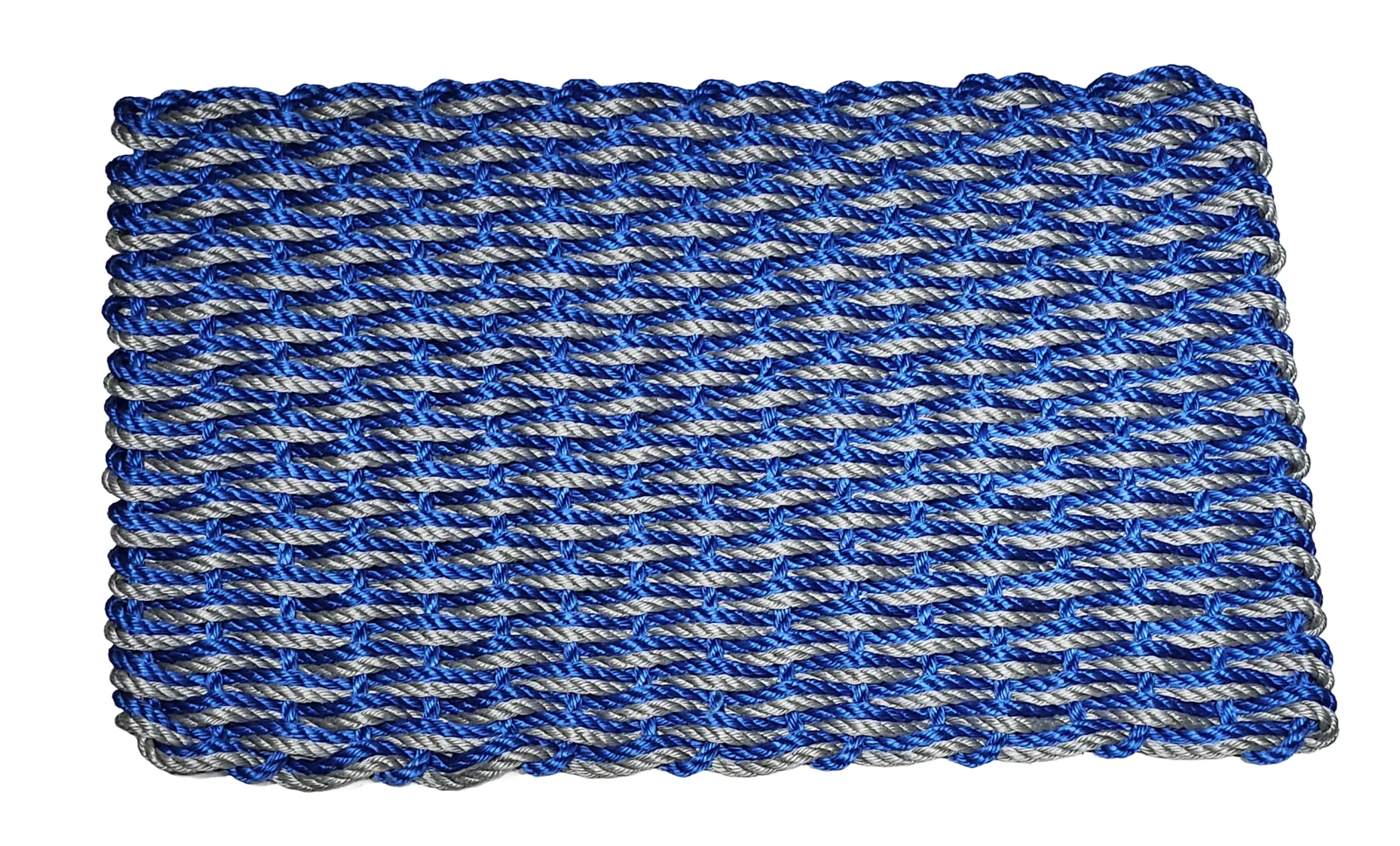
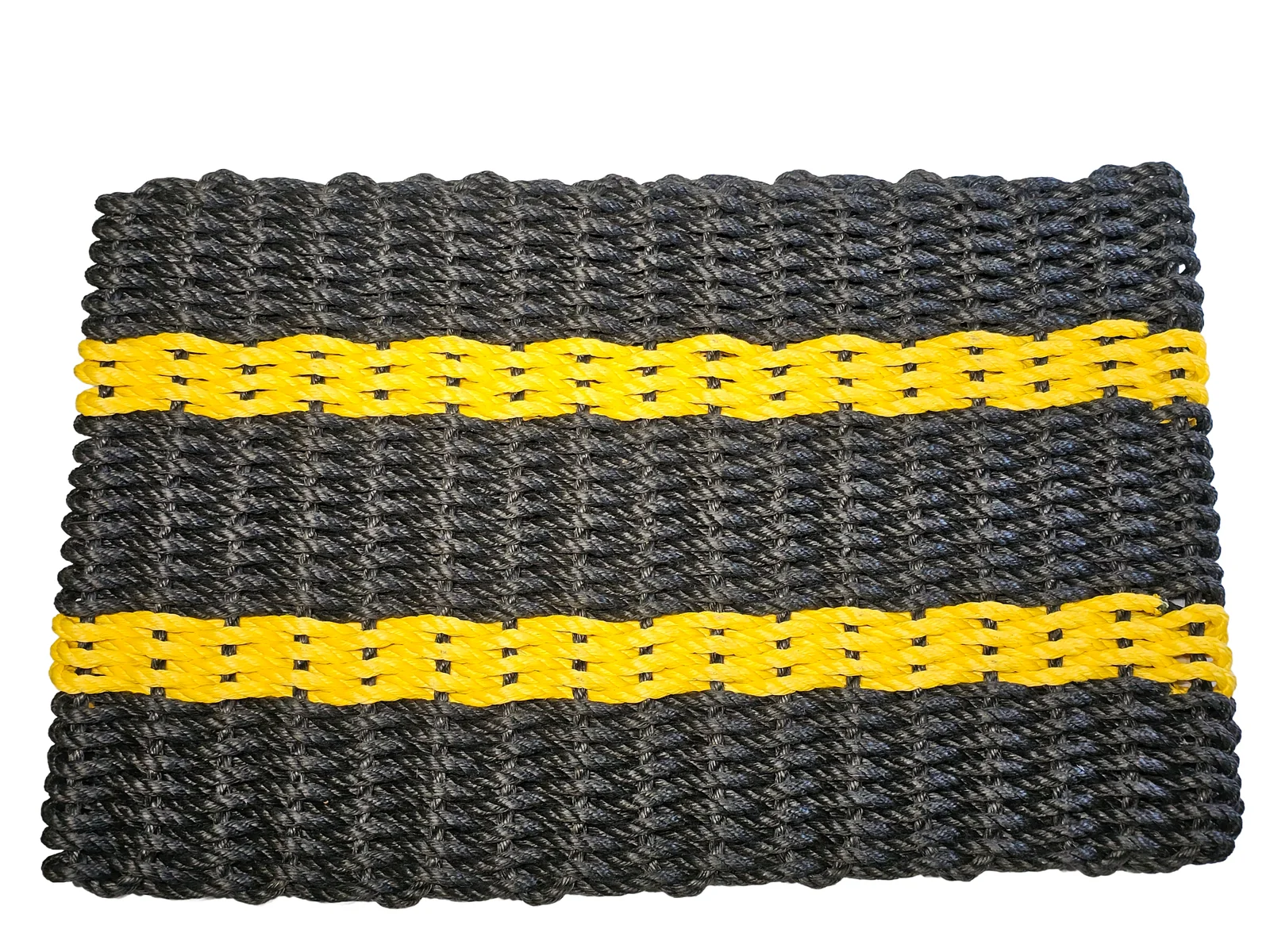
A handmade lobster rope doormat handles rain, salt spray, and Florida sun without much fuss, but a simple weatherproofing routine in 2026 keeps the fibers from drying out, fading, or picking up mildew before their time.
A rope doormat left outdoors deals with three things a rug on a covered porch never has to: direct UV, standing salt residue, and repeated soak-dry cycles. Any one of those alone is manageable. All three together, on a dock or beachfront entry in 2026, will stiffen rope fibers and dull color inside a season if the mat never gets rinsed or dried properly.
Weatherproofing isn't a coating you spray once and forget. It's a rinse-dry-condition routine that keeps salt crystals from crusting inside the weave and keeps the rope supple enough to flex underfoot instead of cracking. Homeowners near open water should also read the dedicated guide on how to protect a rope doormat from salt water, since salt exposure changes the maintenance schedule more than any other single factor.
Lobster rope doormats are already built for this kind of use — that's the point of the material — but "durable" and "maintenance-free" aren't the same claim. A little upkeep is what makes a 10-Year Replacement Guarantee mean something in practice instead of just on paper.
Start every weatherproofing session with a plain water rinse. Shake the mat out first to knock loose sand and debris, then hose it down front and back. Oceanfront and dock mats need this weekly; inland porch mats can go every two weeks. Skipping this step lets grit work into the rope fibers and abrade them from the inside, which is the most common reason a mat looks worn before its time.
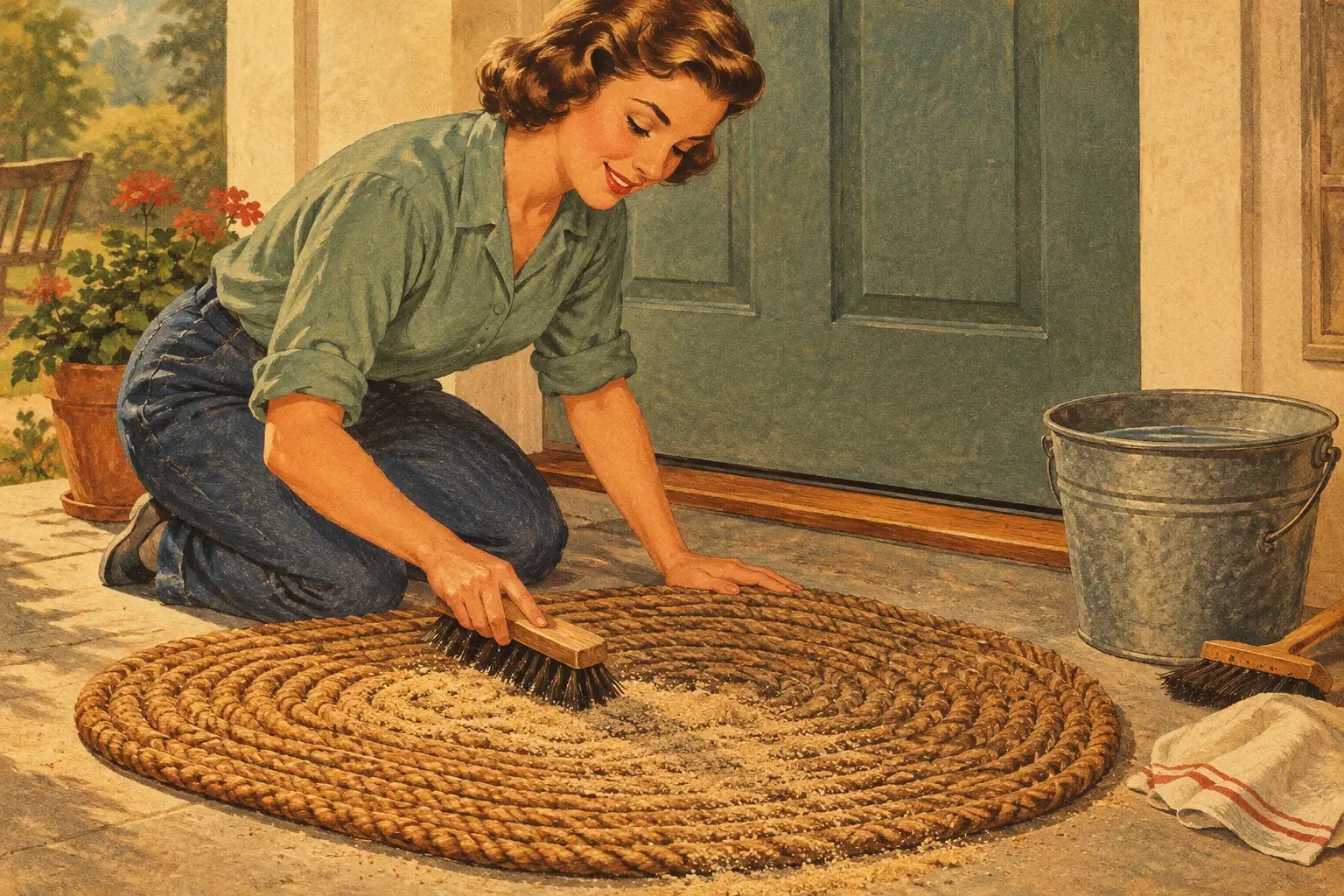
Mix roughly one tablespoon of dish soap per gallon of water and work it into the weave with a soft-bristle brush, both sides. This lifts oils, sunscreen residue, and salt film that plain water alone won't move. Don't use anything with bleach or ammonia — those break down natural rope fibers faster than sun exposure does.
Salt residue left behind after cleaning is worse than salt residue from the ocean, because it sits concentrated in the weave and pulls moisture back in every humid morning. Rinse for a full two to three minutes per side, longer if the mat sits near a dock or pool with heavy spray. This step matters more in 2026's coastal humidity than a stronger soap ever will.
Lay the mat over a sawhorse, railing, or drying rack so air moves under and over it — never dry it flat on concrete or grass, where trapped moisture underneath causes mildew before the top side even feels dry. Full sun speeds this along; plan on 24 to 48 hours before the mat goes back down. A mat that goes back into place while still damp underneath is the single biggest cause of the black mildew spots people blame on "bad rope."
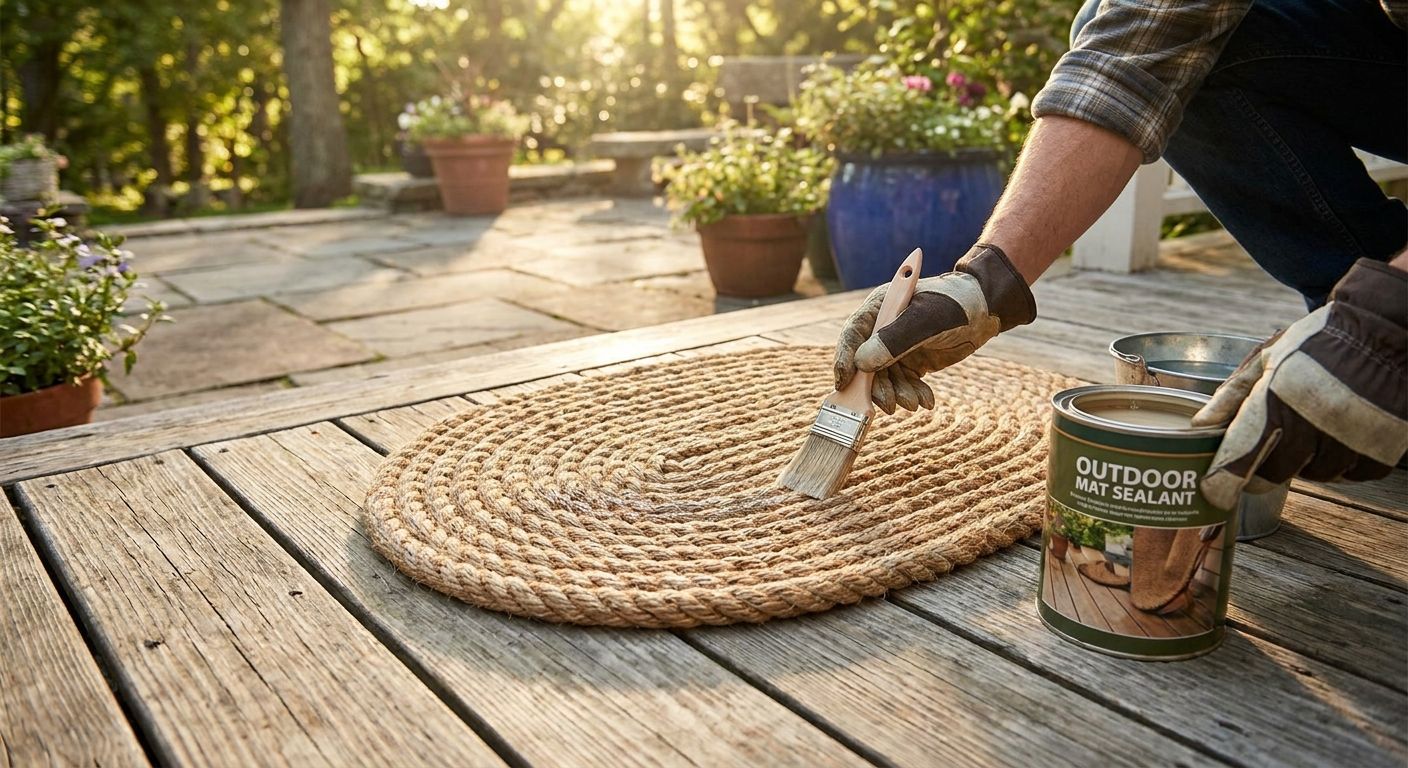
Apply a thin coat of beeswax-based rope conditioner or natural rope oil in spring and again in fall, working it in by hand and buffing off any excess. This keeps the individual strands flexible instead of brittle, which matters most in the dry heat of late summer. For full cleaning routines between conditioning sessions, the how to clean a lobster rope doormat guide covers the lighter maintenance steps you'll do more often.
If the mat sits somewhere with strong afternoon sun on one side, flip or rotate it every three to four months so wear and fading spread evenly. A mat that never moves fades in a visible line matching the door's shadow within a single Florida summer.
A rope mat handles regular rain fine, but prolonged saturation during tropical storm systems is different — hours of standing water against a threshold does more damage than months of normal weather. Pull the mat indoors or into a garage when a storm system is expected to sit over the area for more than a day.
Black spots on the rope (mildew). Soak the affected area in a 1:1 white vinegar and water mix for about 10 minutes, scrub, rinse thoroughly, and dry flat for a full 48 hours before reuse. Recurring spots usually mean the mat isn't drying underneath, not that the rope is defective.
Rope feels stiff or brittle underfoot. This means conditioning is overdue. Apply a rope oil or beeswax treatment and give it a day to absorb before walking on it heavily.
Color fading faster than expected. South-facing entries take the harshest UV in 2026's peak summer months. Rotate the mat more often, or move it slightly out of direct afternoon sun if the entryway layout allows it.
Sand keeps building up in the weave. Shake it out daily instead of weekly if the entry sits close to sand, and rinse weekly instead of biweekly. A tighter weave sheds sand faster than a loose one.
Salt crust visible on the rope surface. This is common on dock and pontoon entries. Increase rinse frequency to twice a week during peak boating season rather than waiting for the monthly routine.
Edges curling after drying. Weigh the corners down lightly while the mat dries flat, and avoid rolling it for storage — roll marks set into rope fiber faster than they release.
Once the weatherproofing routine is in place, the next thing worth checking is exposure level. Mats within direct reach of salt spray or dock splash need a tighter rinse schedule than a covered front porch — the salt water protection guide linked earlier in this article breaks down exactly how much tighter that schedule should be for oceanfront and dock entries.
How do I weatherproof an outdoor rope mat?
Rinse it with plain water, scrub with mild soap, rinse again until no residue remains, then air-dry flat for 24-48 hours before applying a beeswax-based rope conditioner twice a year. Skipping the full dry time is the most common mistake.
Is a lobster rope doormat waterproof?
No rope mat is fully waterproof, but a lobster rope doormat sheds water well and dries fast when placed in open air. Standing water or trapped moisture underneath is what causes damage, not rain itself.
How often should I reseal a rope doormat?
Condition the rope twice a year, typically spring and fall, with a beeswax-based marine rope treatment. Coastal and dock mats exposed to heavier salt spray may need a light touch-up in between.
Can rope doormats handle Florida humidity?
Yes, as long as they’re allowed to dry fully between rinses. Humidity itself isn’t the problem; trapped moisture from mats laid flat on concrete or stacked while damp is what leads to mildew.
What’s the best way to dry a rope mat after rinsing?
Lay it flat over a sawhorse, railing, or drying rack so air circulates on both sides. Plan on 24-48 hours before putting it back at the entryway.
Do rope doormats mildew?
They can, but almost always because they went back into use while still damp underneath. A full air-dry cycle after every rinse prevents most mildew issues before they start.
Is a rope doormat better than a coir mat for wet climates?
A lobster rope doormat typically holds up better in salt air and repeated soaking than coir, which tends to break down and shed fibers faster in coastal humidity. Coir also mildews more readily once saturated.
How long does a weatherproofed rope mat last?
With regular rinsing and twice-yearly conditioning, a well-maintained lobster rope doormat can hold up well beyond a typical season, which is part of why Ropemats Florida backs its mats with a 10-Year Replacement Guarantee.
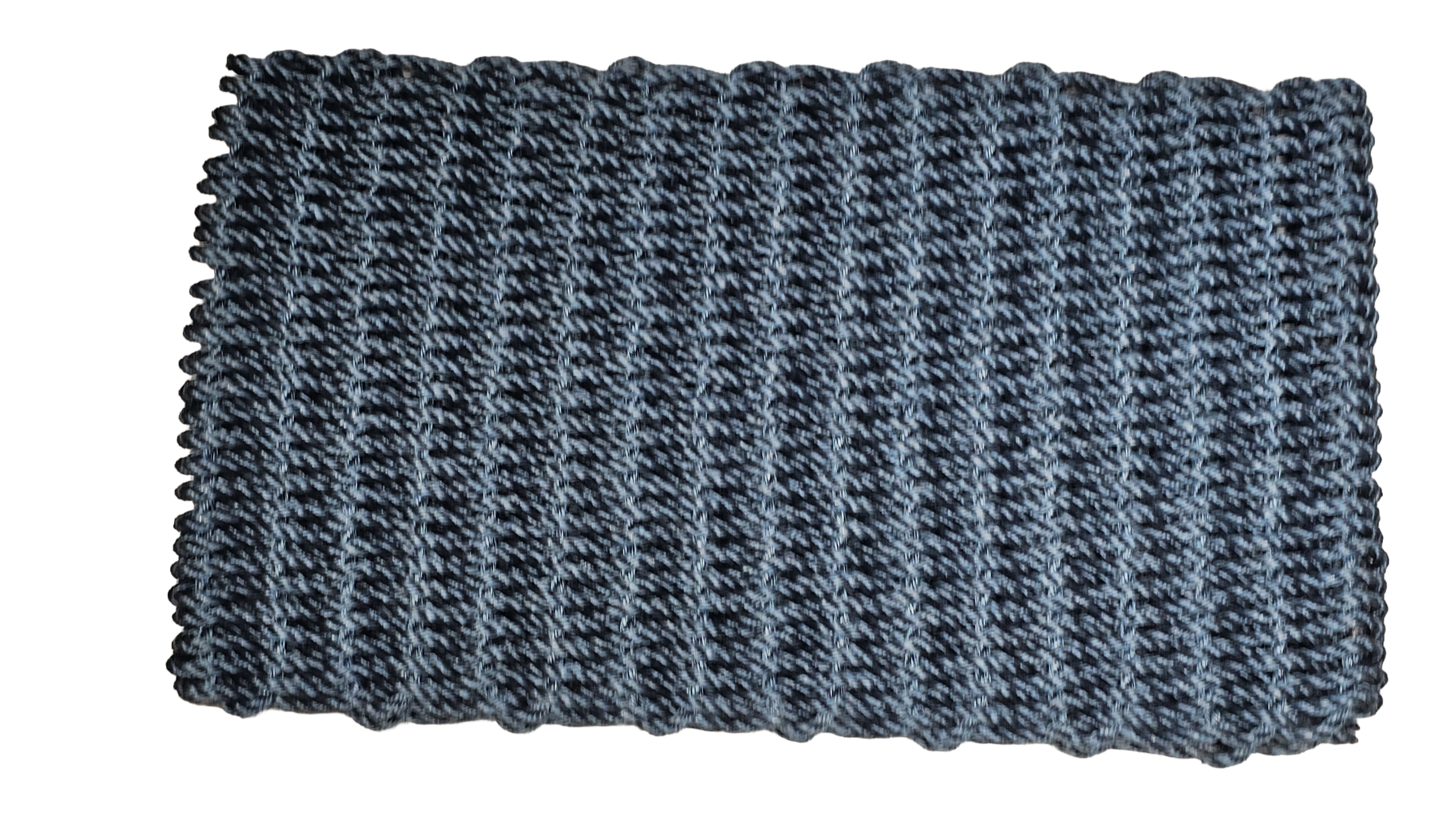
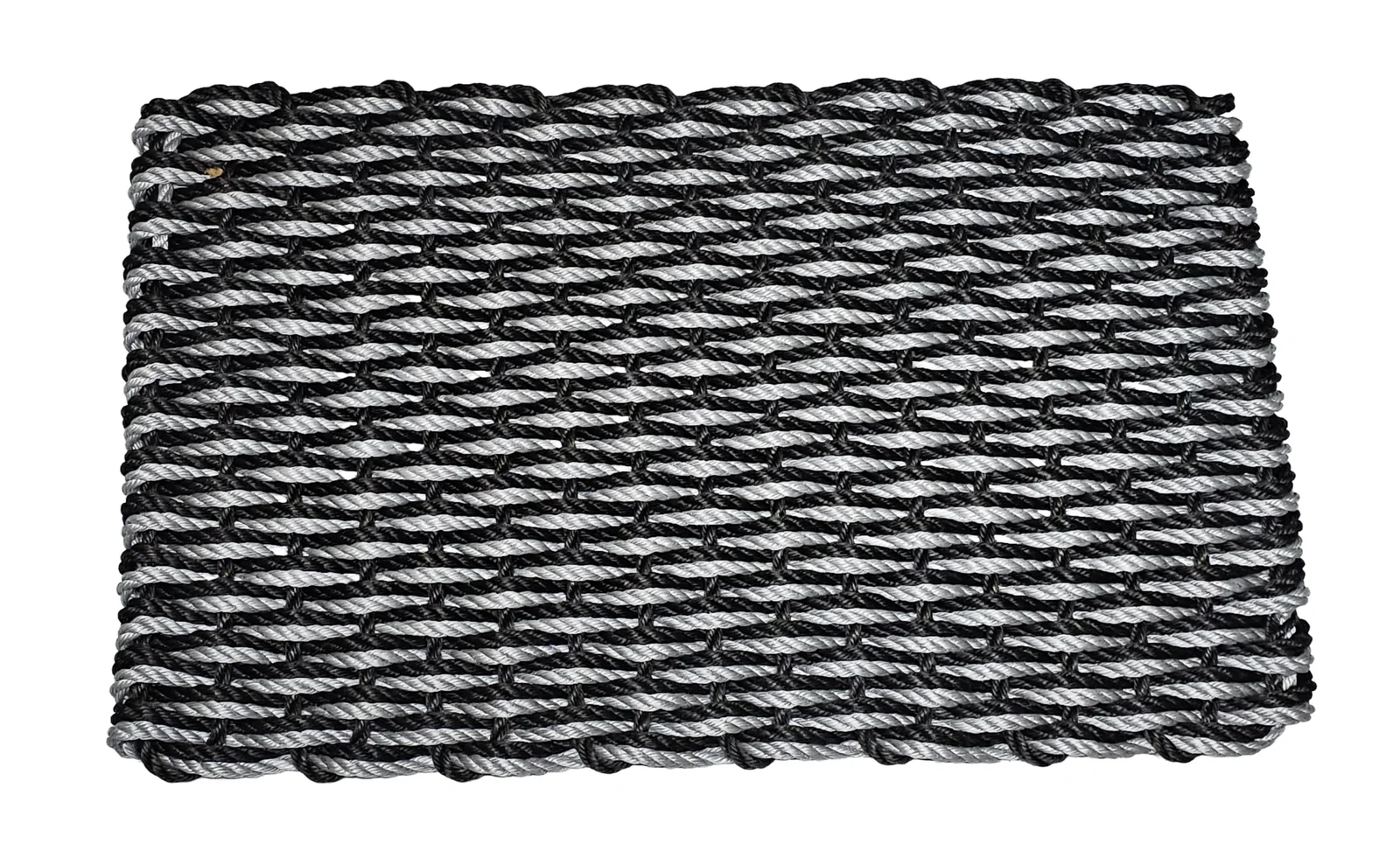
A tighter three-strand weave sheds rainwater faster than a loose, open weave simply because there's less exposed rope surface holding moisture at any given moment. If the entryway takes regular downpours, that detail matters more than color or price when picking between mat styles.