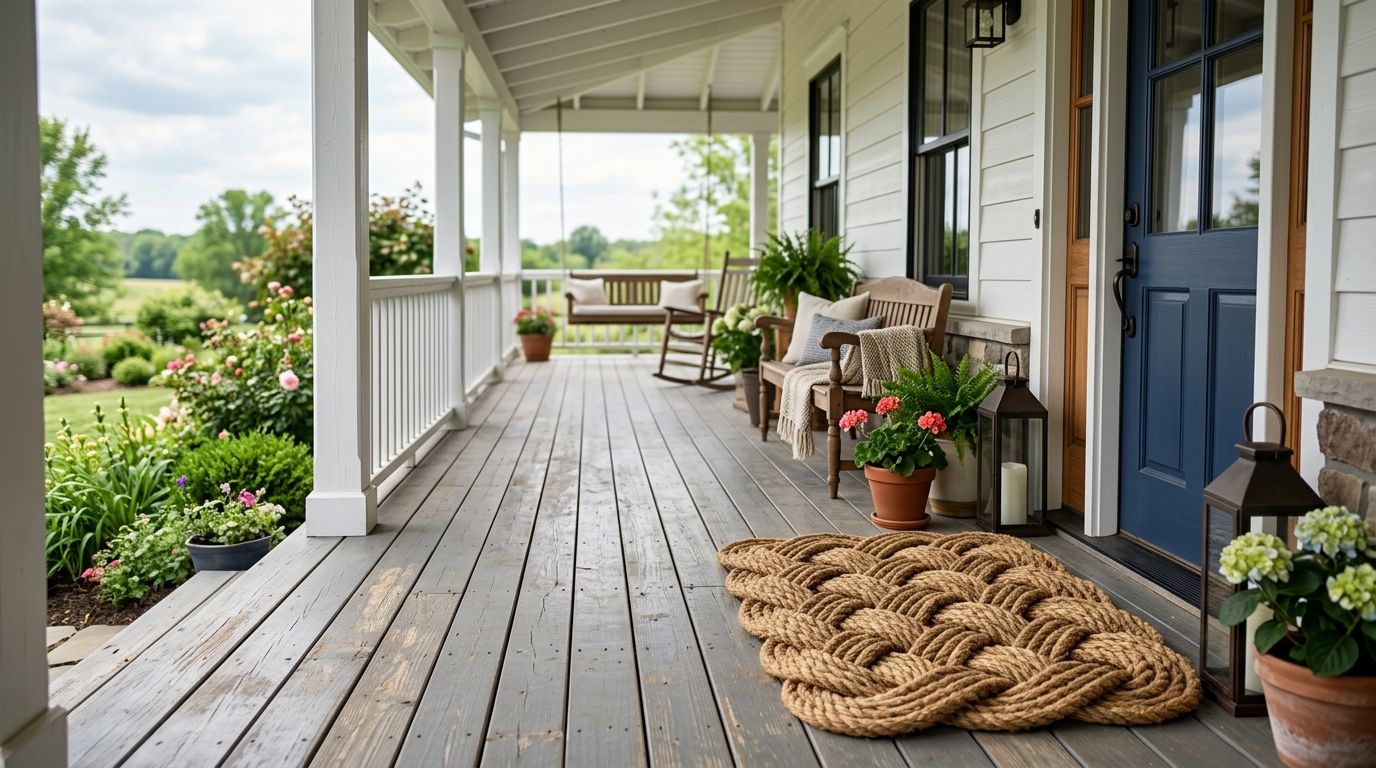
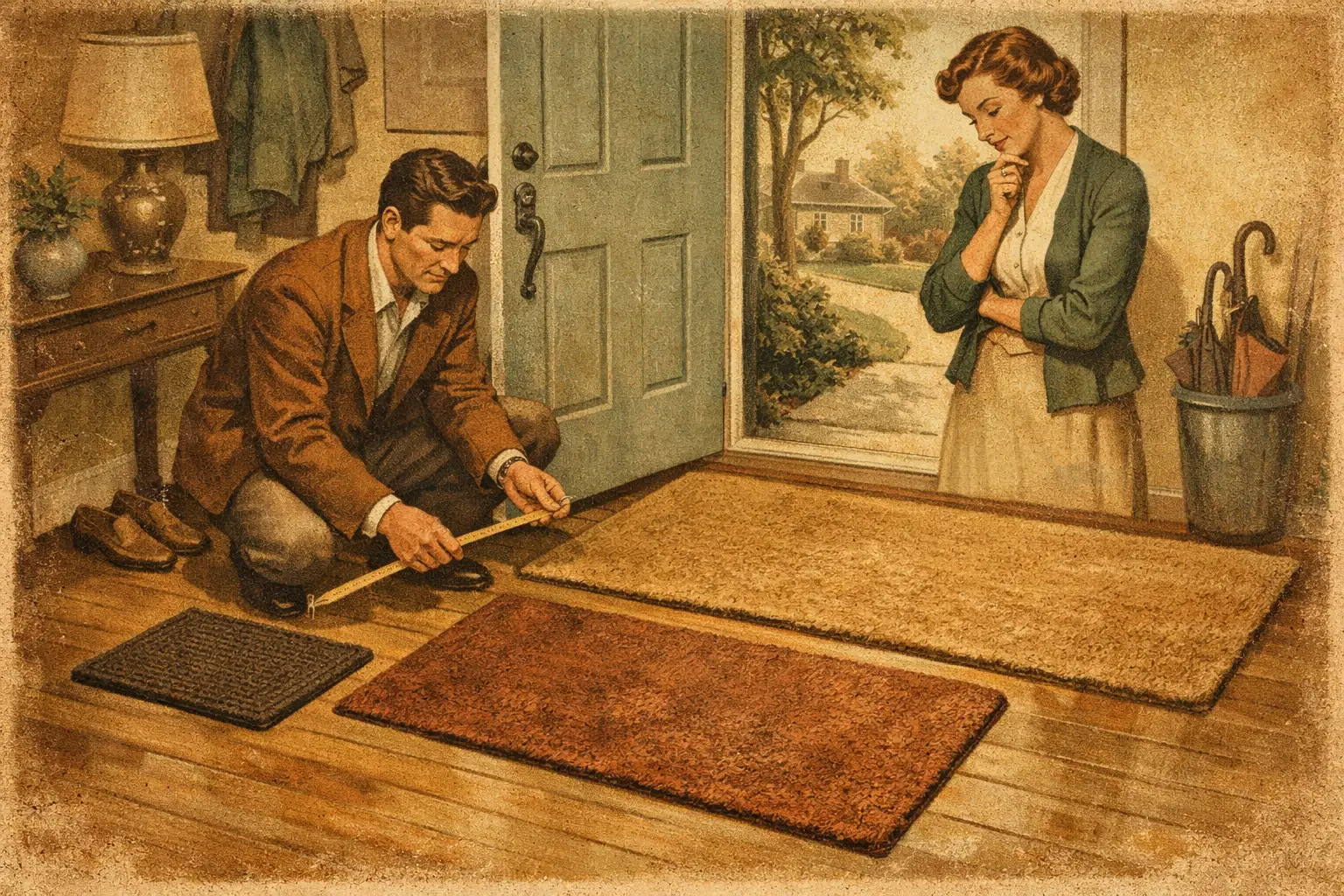
A doormat that is too small has a way of making the whole entry feel off. It can look skimpy under a wide front door, miss the path people actually walk, and leave dirt and water where you did not want them in the first place. If you are wondering how to choose entry mat size, the right answer starts with your doorway, but it also depends on traffic, layout, and how you use the space every day.
A good entry mat should do two jobs at once. It should create a warm first impression, and it should be practical enough to handle wet shoes, sandy feet, kids running in, and pets crossing the threshold ten times a day. Size matters because even a durable mat works better when it is proportioned to the opening and placed where people naturally step.
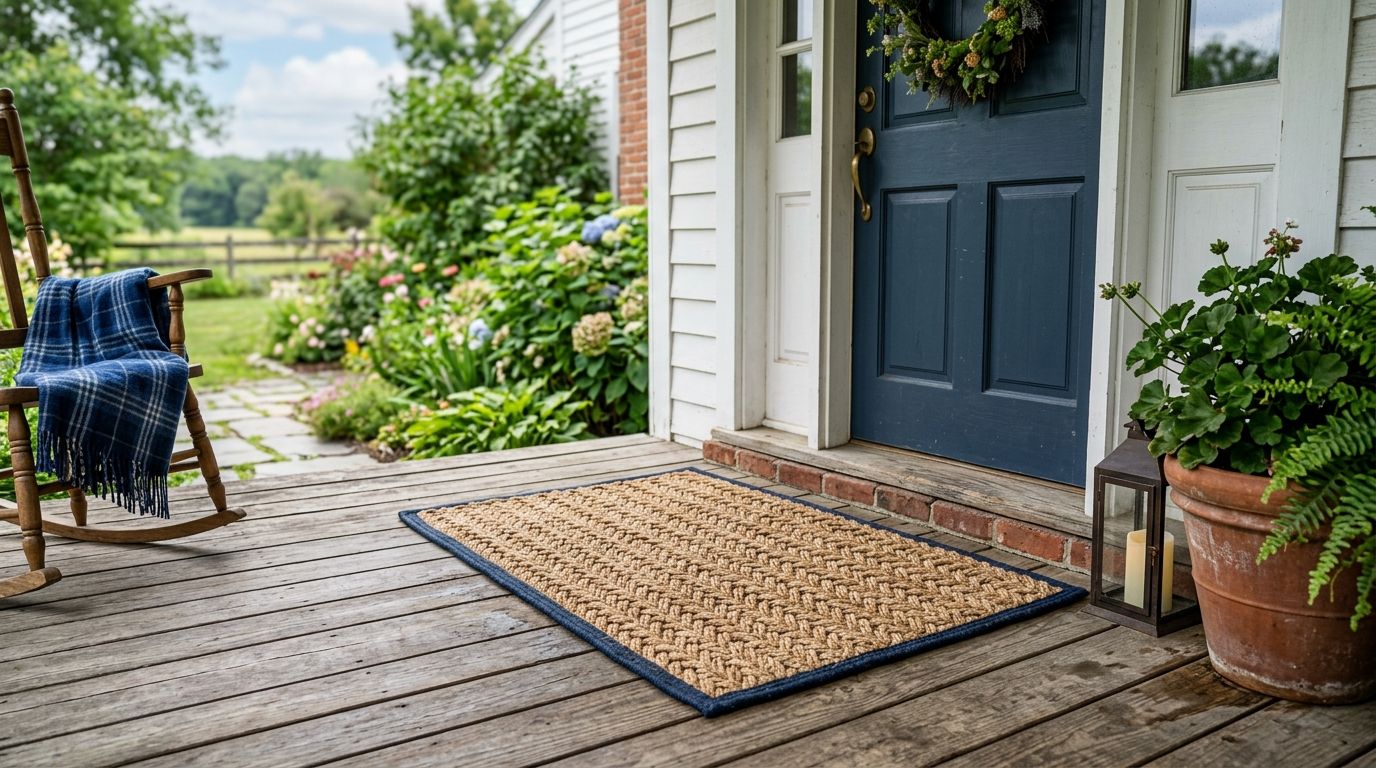
The easiest place to start is the width of your door. For most single front doors, a mat should cover a strong portion of the doorway without stretching wall to wall. As a general rule, the mat should be at least 80 percent of the door width if you want it to feel visually balanced.
For a standard 36-inch-wide door, that usually means a mat around 30 inches wide looks appropriate, while something in the 18-inch range often feels undersized. A narrower mat can still work for a tight apartment landing or a small back door, but at a main entry, going too small tends to look more decorative than useful.
Depth matters just as much. A shallow mat may sit neatly in front of the door, but it does not give people much room to land both feet. If you want a mat that actually catches debris and supports daily foot traffic, it should be deep enough for at least one or two solid steps.
That is why many homeowners prefer larger rectangular mats at the front door. They create a cleaner look, give guests a clear place to step, and feel more substantial on a porch or stoop. If your entry is spacious, the mat should match that scale instead of disappearing into it.
Choosing the right size is not only about the slab of the door itself. The available floor area matters too. Measure the width of the doorway, then measure the clear floor space in front of it with the door fully opening and closing.
If your mat sits on a covered porch, check how much room you have between the threshold and the edge of the porch or steps. You want enough space for the mat to sit comfortably without looking crowded. On a small landing, a modest size may be the smart choice simply because anything larger will feel cramped.
For double doors, wider mats generally look better because they anchor the full opening. A small centered mat under double doors often looks accidental. The entry should feel intentional and well-fitted, especially if the doorway is one of the main visual features of the house.
There is also a practical reason to avoid guessing. If the mat is too close to a swing path, it can curl, bunch, or shift when the door moves over it. A low-profile, well-made mat helps, but the dimensions still need to suit the space.
A front entry that gets occasional use can get by with a smaller footprint than a busy family doorway. If this is the door everyone uses after school, from the driveway, or from the backyard, go larger whenever the space allows.
More traffic means more chances for dirt, sand, grass, and water to come indoors. A mat that catches the first step only does part of the job. A mat that supports a longer stride gives people a better shot at wiping their shoes naturally, without even thinking about it.
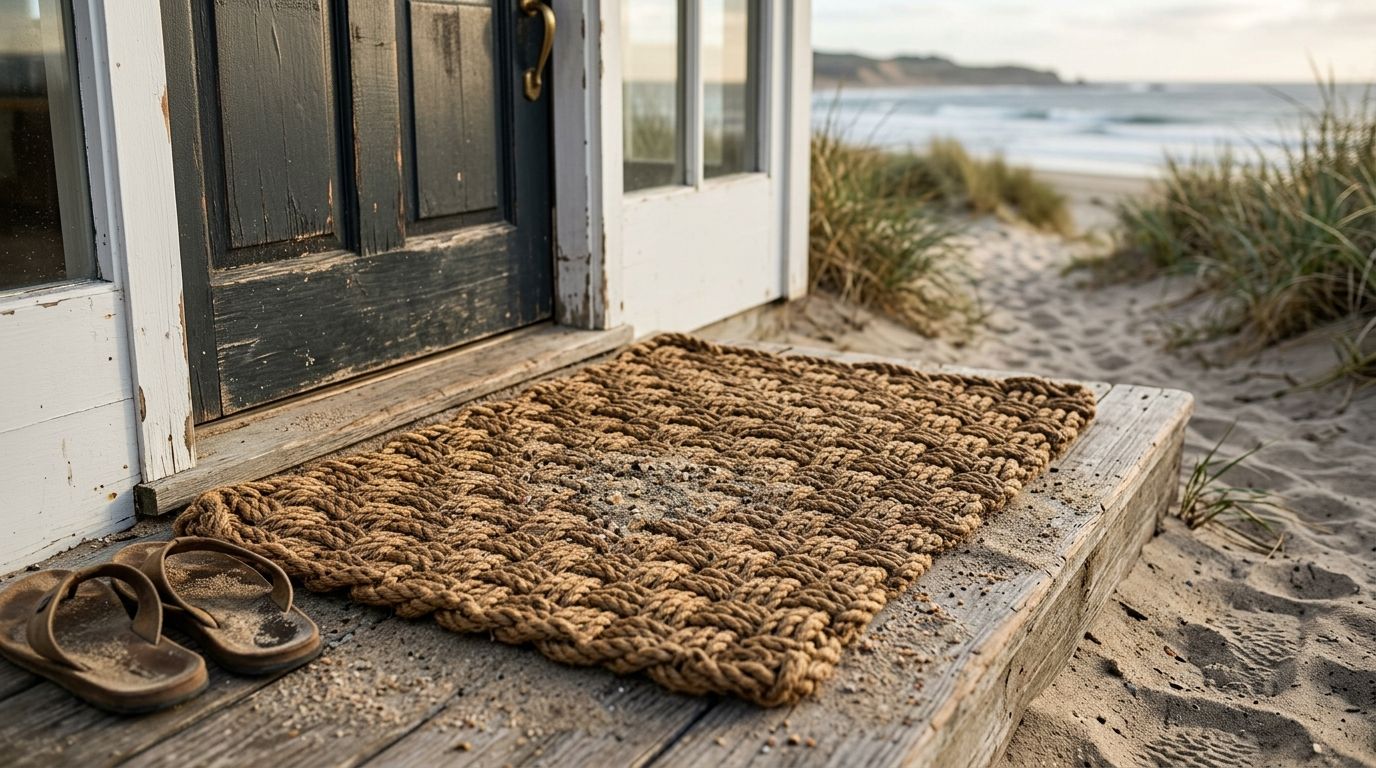
This matters even more in coastal and warm-weather homes. Sand, rain, pool traffic, and everyday humidity create a different level of wear than a decorative mat near a formal entry. In those cases, size should support performance, not just curb appeal.
If you have kids or pets, you already know the entry works hard. A larger mat often looks better because it also works better. It gives muddy paws, wet flip-flops, and quick foot traffic more room before the mess crosses inside.
Not every doorway needs the same dimensions. The front door, back patio, side entrance, boat step, and RV doorway all have different needs.
At the front door, visual balance usually leads the decision. You want a mat that feels proportional to the home and creates a finished, welcoming look. For back doors and patio entries, function tends to lead. These spaces often see heavier traffic, so a slightly larger mat can make everyday life easier.
For porches and decks, the mat should suit the scale of the outdoor area. A larger porch can handle a larger mat without looking crowded, while a compact stoop may call for something more streamlined. On boats and RVs, floor space is tighter, so accurate measuring becomes more important than general rules.
In smaller recreational spaces, the best fit is the one that allows secure placement without blocking movement. You still want enough surface area to catch debris, but oversized mats can become awkward fast. That is one of those it-depends situations where the surrounding layout matters more than standard sizing advice.
The most common mistake is choosing a mat that is too small because it seems safe. People worry that a larger mat will overwhelm the entry, but in practice the opposite happens more often. A mat that is undersized can make a nice doorway feel unfinished.
Another mistake is ignoring door clearance. Even a durable, low-maintenance mat needs to fit under the swing of the door if it will sit directly in front of it. Always check thickness and placement together.
Some homeowners also choose size based only on a product photo. That can be misleading because porches, door widths, and staging vary so much. A mat that looks generous in one setting may be tiny in another. Measurements tell the truth.
Finally, do not forget shape. Rectangular mats are the standard choice because they fit most doors and walking paths well. But the right shape still needs to be appropriately sized. Good proportions matter more than novelty.
In many homes, a larger entry mat delivers the best mix of style and performance. It looks more grounded, catches more debris, and feels like a real part of the entrance rather than an afterthought. This is especially true for broad front doors, double doors, and outdoor living spaces where the entry is visually open.
Still, bigger is not always better. If the porch is narrow, the landing is tight, or the mat competes with steps, trim, or furniture, a too-large option can make the area feel crowded. The best size is the one that fits the architecture and supports how the space is used.
That is why practical measuring beats one-size-fits-all advice every time. A well-proportioned mat should look settled in the space, not squeezed into it or floating in front of it.
If you want a straightforward approach, measure your door width, then choose a mat that feels substantial in relation to it. Next, check the depth of the available space and make sure people have enough room for a natural step pattern. Finally, consider whether this doorway gets light use or constant traffic.
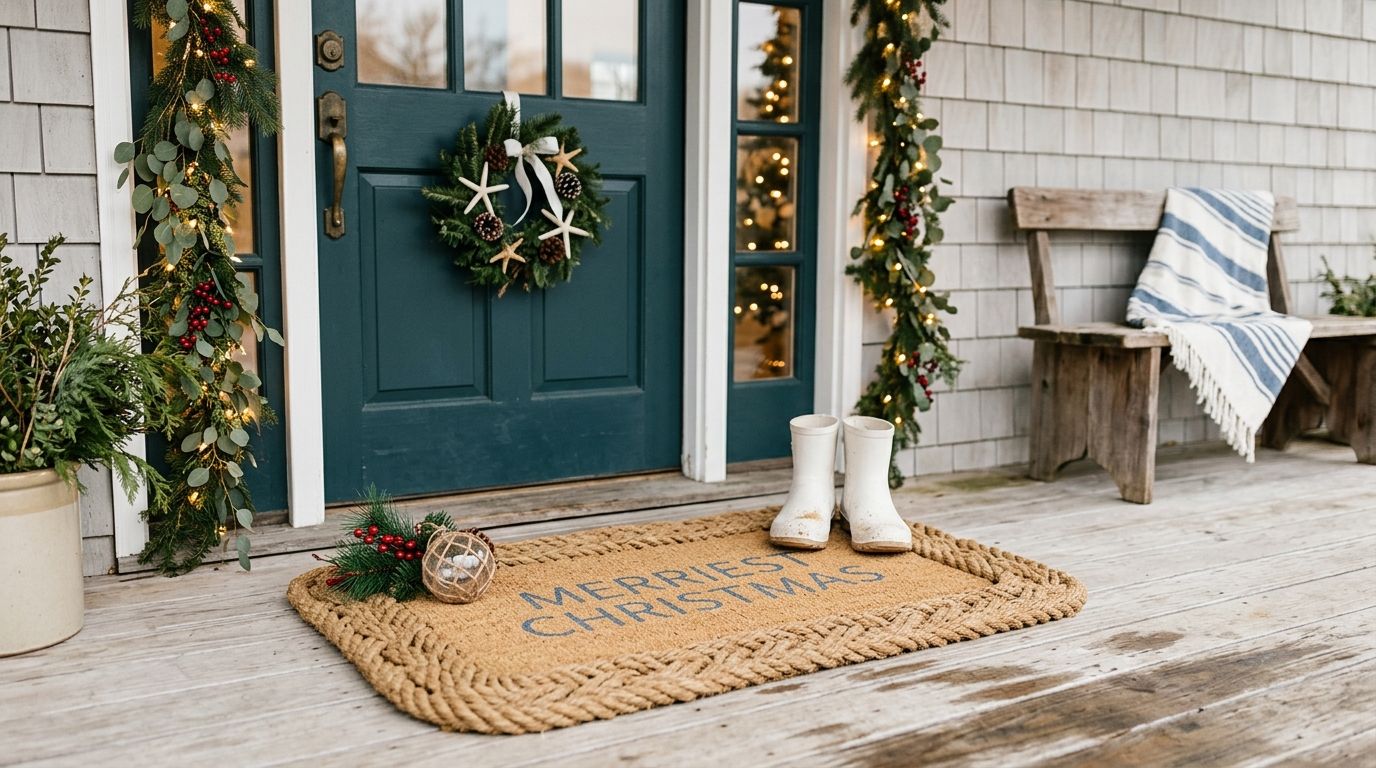
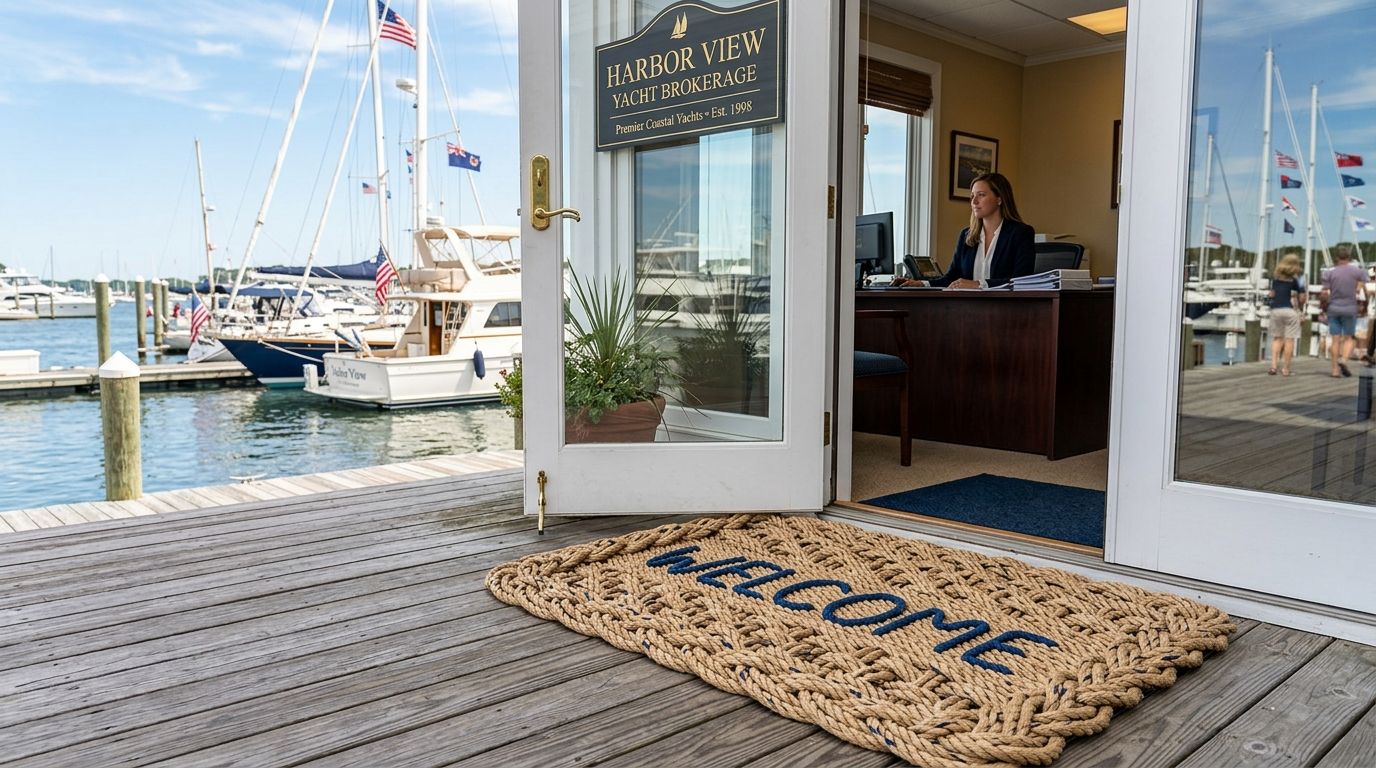
That last part matters because an entry mat is not just there to frame the threshold. It is there to handle real life. Handmade rope mats, including those from Lobster Rope Doormats of Florida, are often chosen because they bring together a clean coastal look with the kind of easy-care durability busy homes actually need. But even the right material performs best when the size is right.
Once you know the size you need, browse handmade rope mats. For door types, runners, and porch depth, see the full guide to rope mat sizes.
A well-sized mat does not call attention to itself for the wrong reasons. It simply makes the entry feel complete, works hard under daily use, and helps your home look ready for whoever is coming through the door next.

Doormats designed to look better, last longer, and clean easier.
Handmade lobster rope doormats crafted for outdoor durability, easy care, and a warm first impression. Designed for porches, patios, entryways, decks, boats, and RVs across the USA
Copyright © 2026 All Rights Reserved.