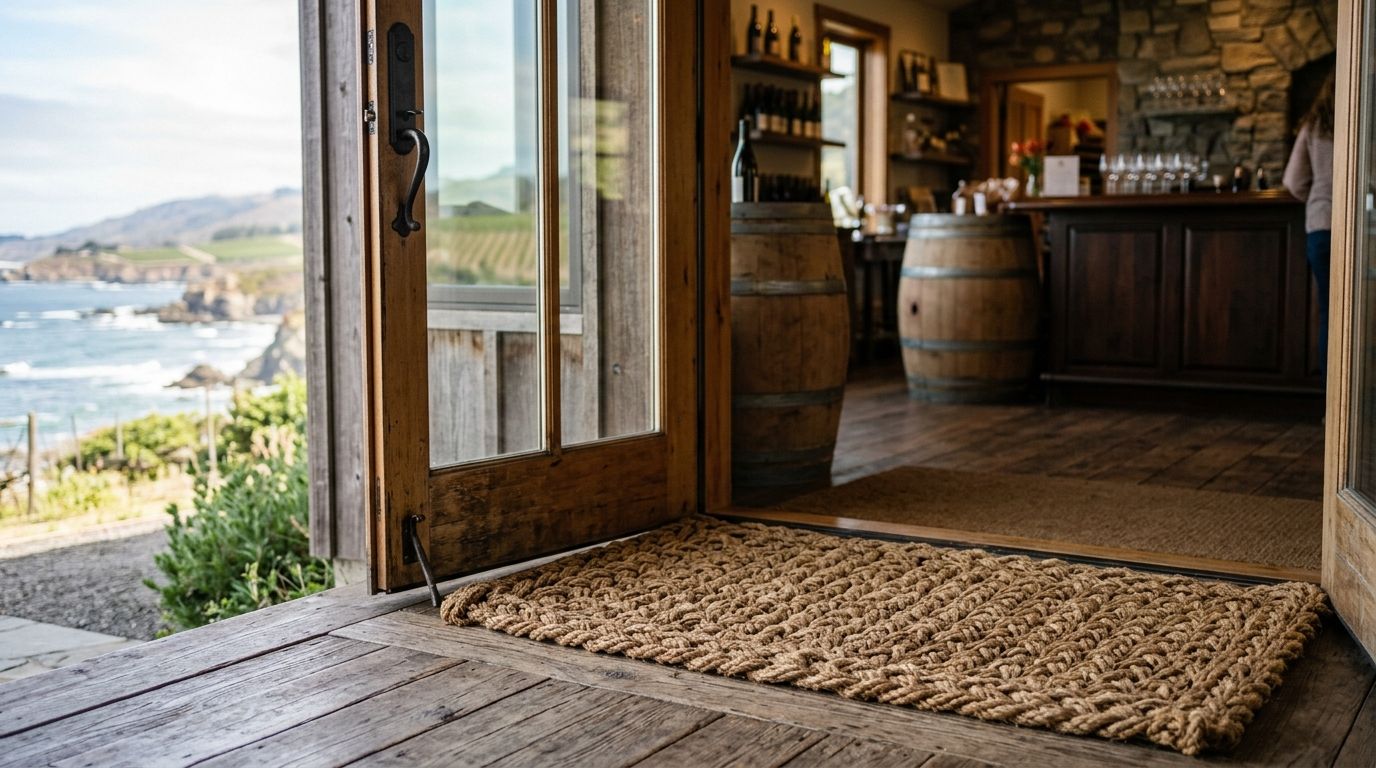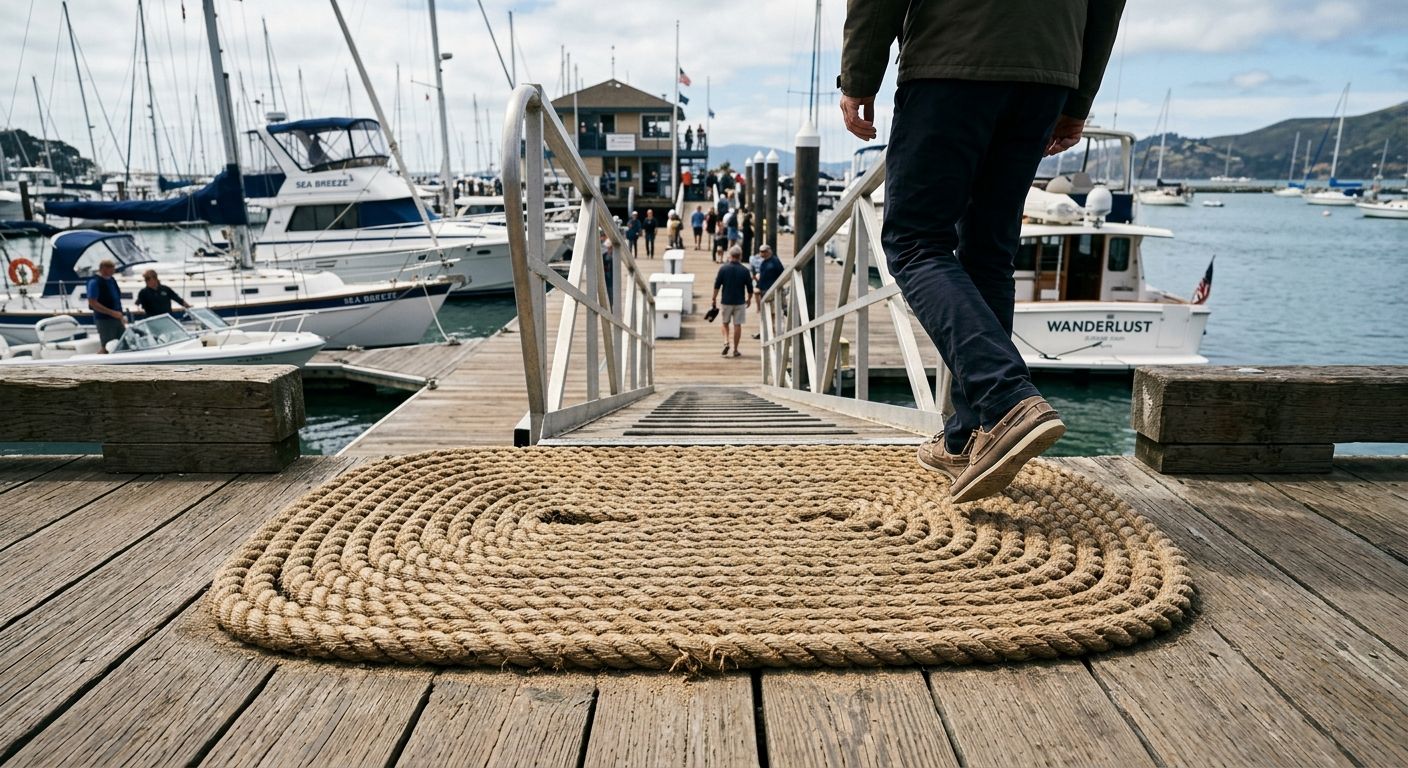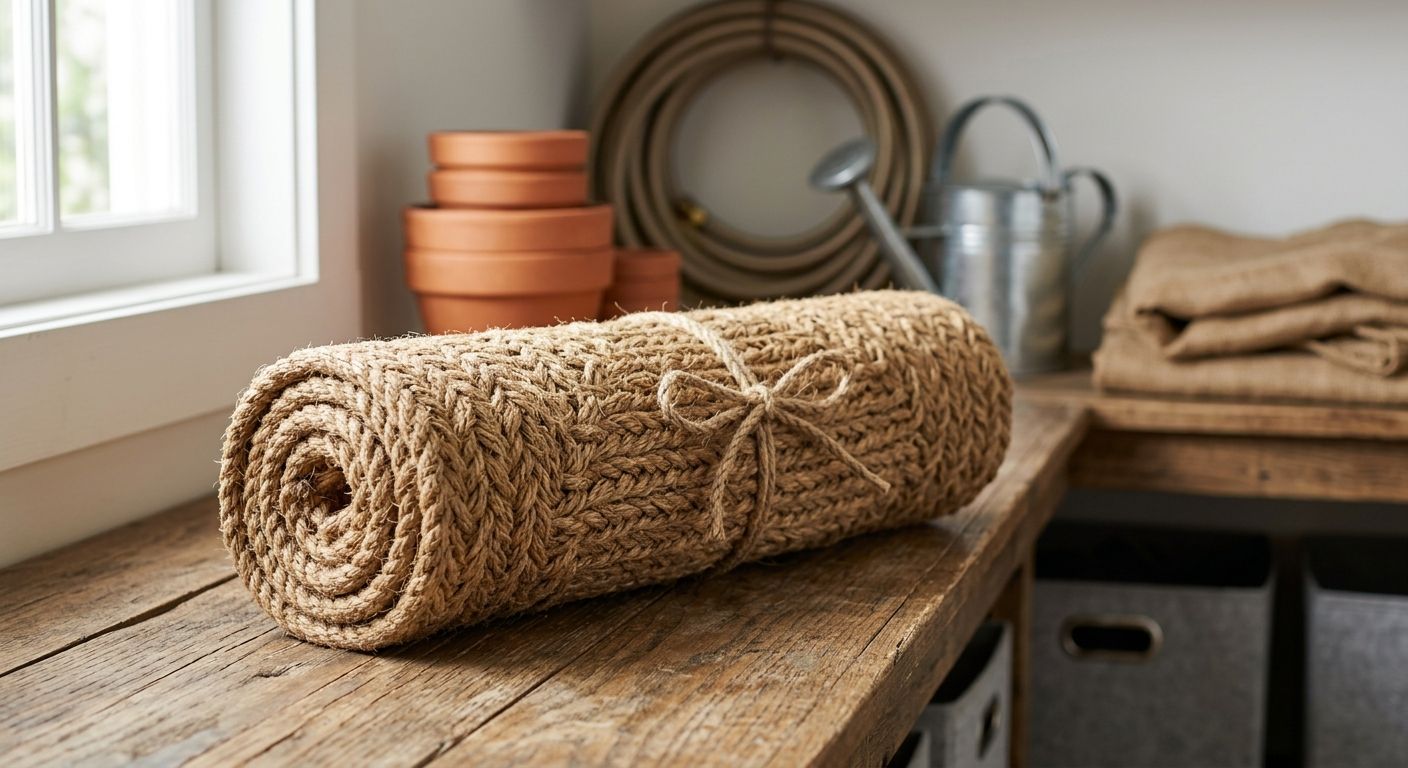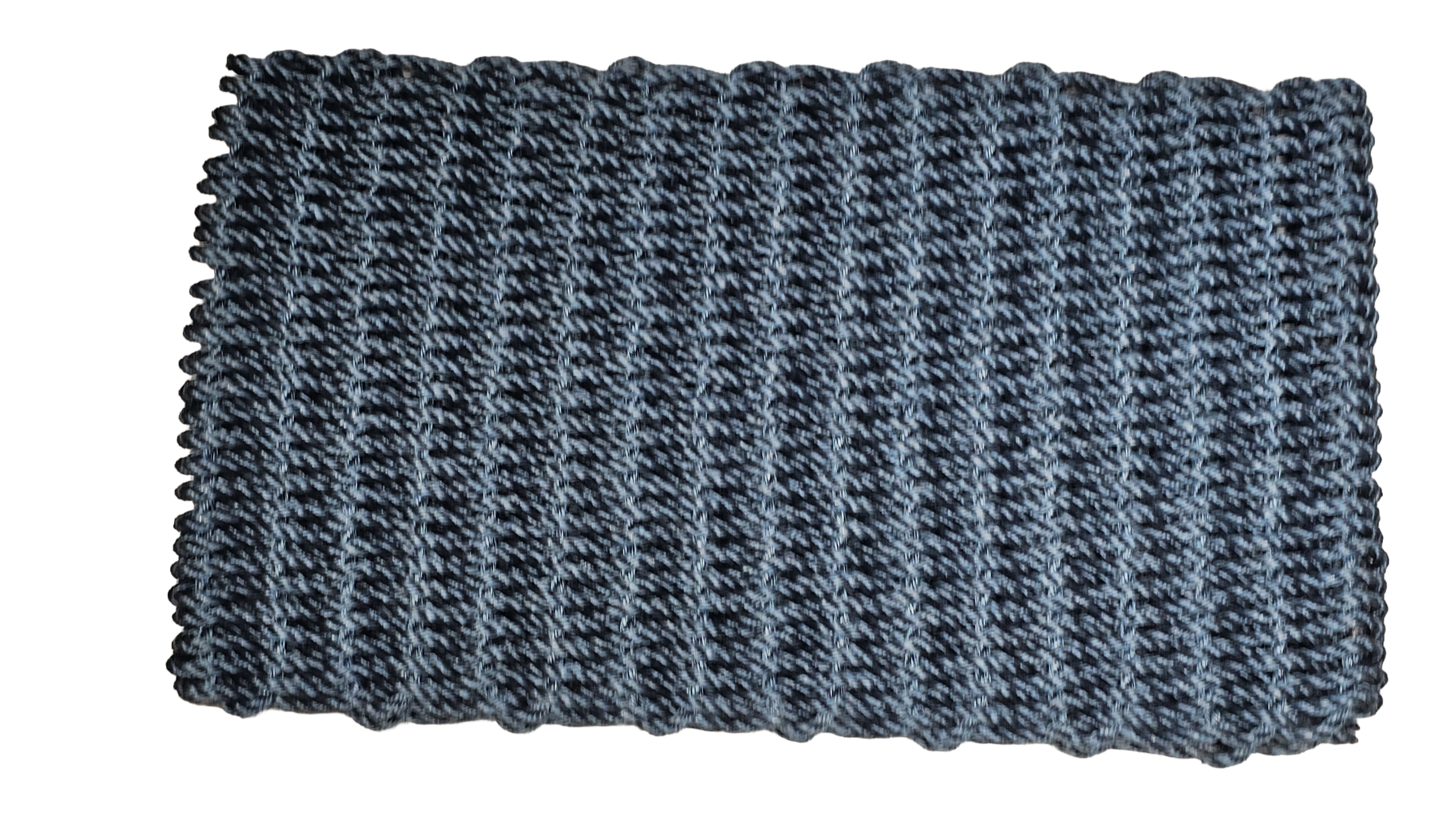
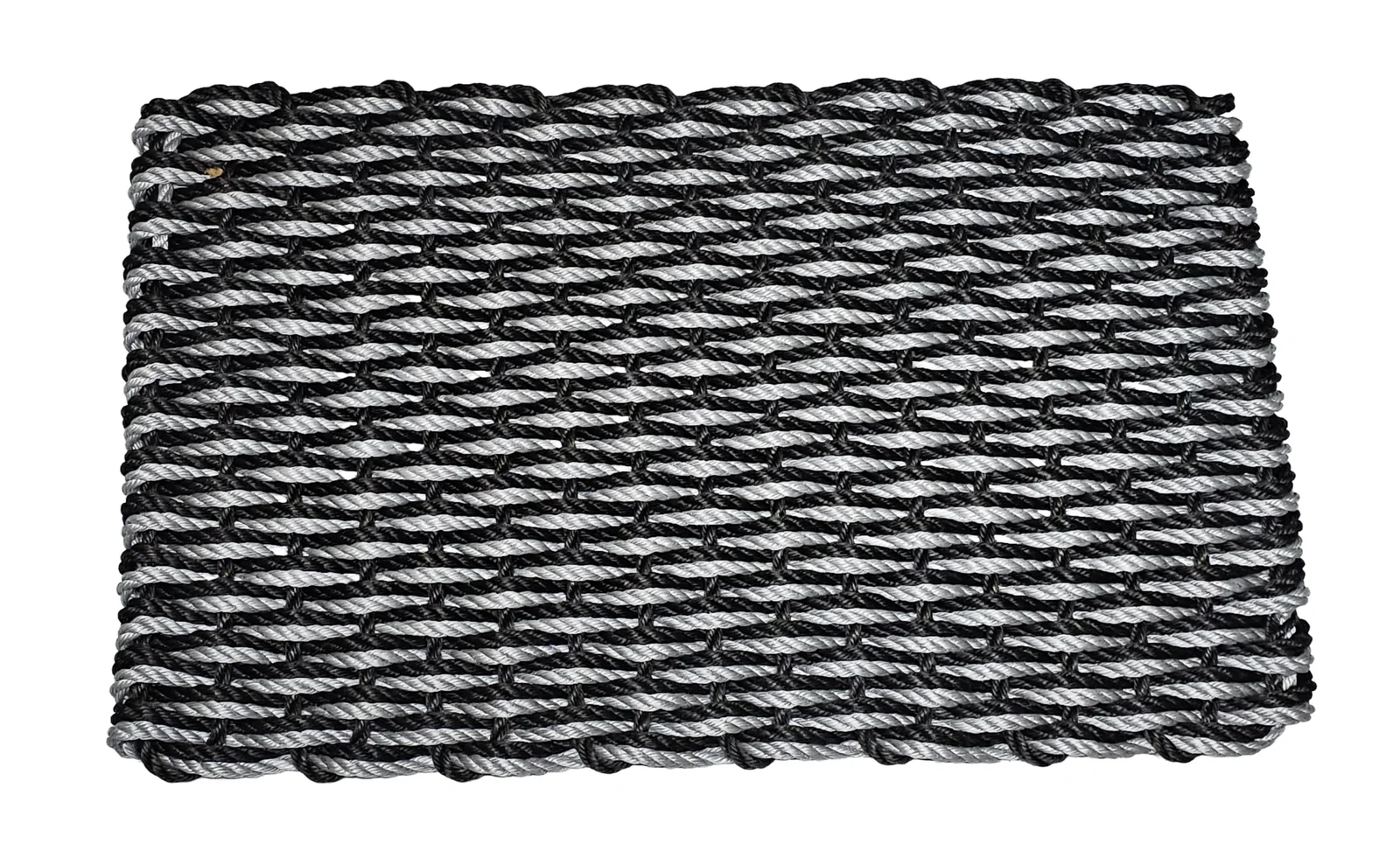

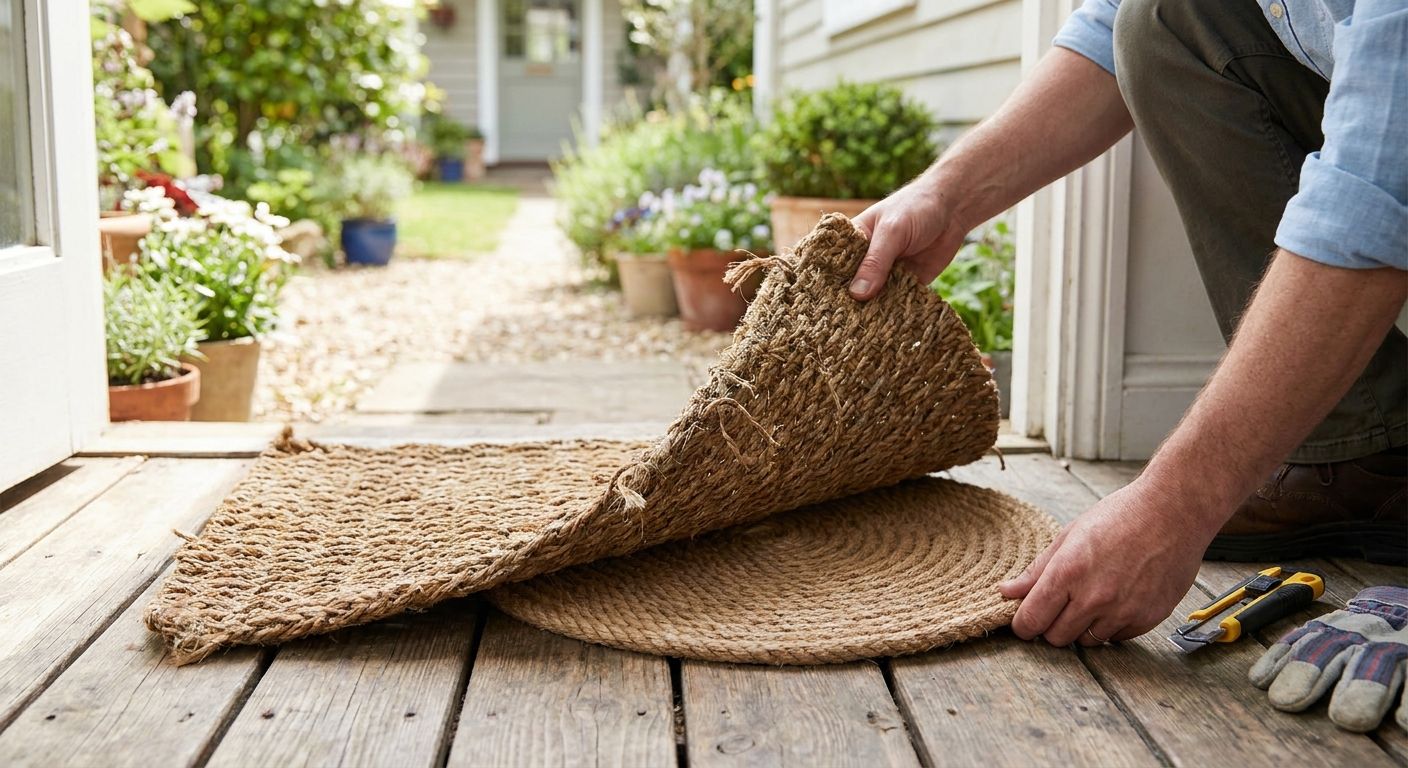
A flattened, curling, or fraying rope doormat has stopped doing the one job it has — catching sand, salt, and mud before they hit your floor. This guide walks through pulling the old mat, sizing a replacement, and setting it so it lasts through the next Florida storm season.
A rope doormat earns its spot at a Florida entry by trapping sand, pool water, and salt spray before they reach the floor inside. Once the coils flatten or the outer wraps start fraying, that catch-and-hold function disappears — sand slides straight through, and the loose weave itself turns into a tripping hazard.
Ropemats Florida builds its lobster rope doormats to take years of sun, rain, and salt air, but no rope mat lasts forever. Knowing when a mat has done its job — instead of stretching a season past its usefulness — is the difference between a doormat that protects your floors in 2026 and one that's just shuffling debris around.
Check the outer coils for fraying that's gone past the first two rings — that's structural, not cosmetic. Look at the center 6 to 8 inches of the mat, the highest-traffic zone, for flattening that doesn't spring back when you press it. Check any dark staining for mildew that persists after cleaning versus sun-bleaching, which won't wash out no matter how hard you scrub. The common mistake here is assuming discoloration means the mat is dirty rather than sun-worn; if it's bleaching, cleaning won't fix it and replacement is the right call.
Measure the width of your door opening and add a couple inches on each side for coverage, then measure the depth from the threshold to the edge of the step or landing. Rope doormats are handwoven to a set size and don't get trimmed down after the fact, so getting this number right the first time saves a reorder. The sizing guide for a rope doormat at your front door walks through exact measurements for single doors, double doors, and screened porch entries. The common mistake is eyeballing it — a mat that's too narrow for a double door or too deep for a shallow porch is the single most avoidable return.
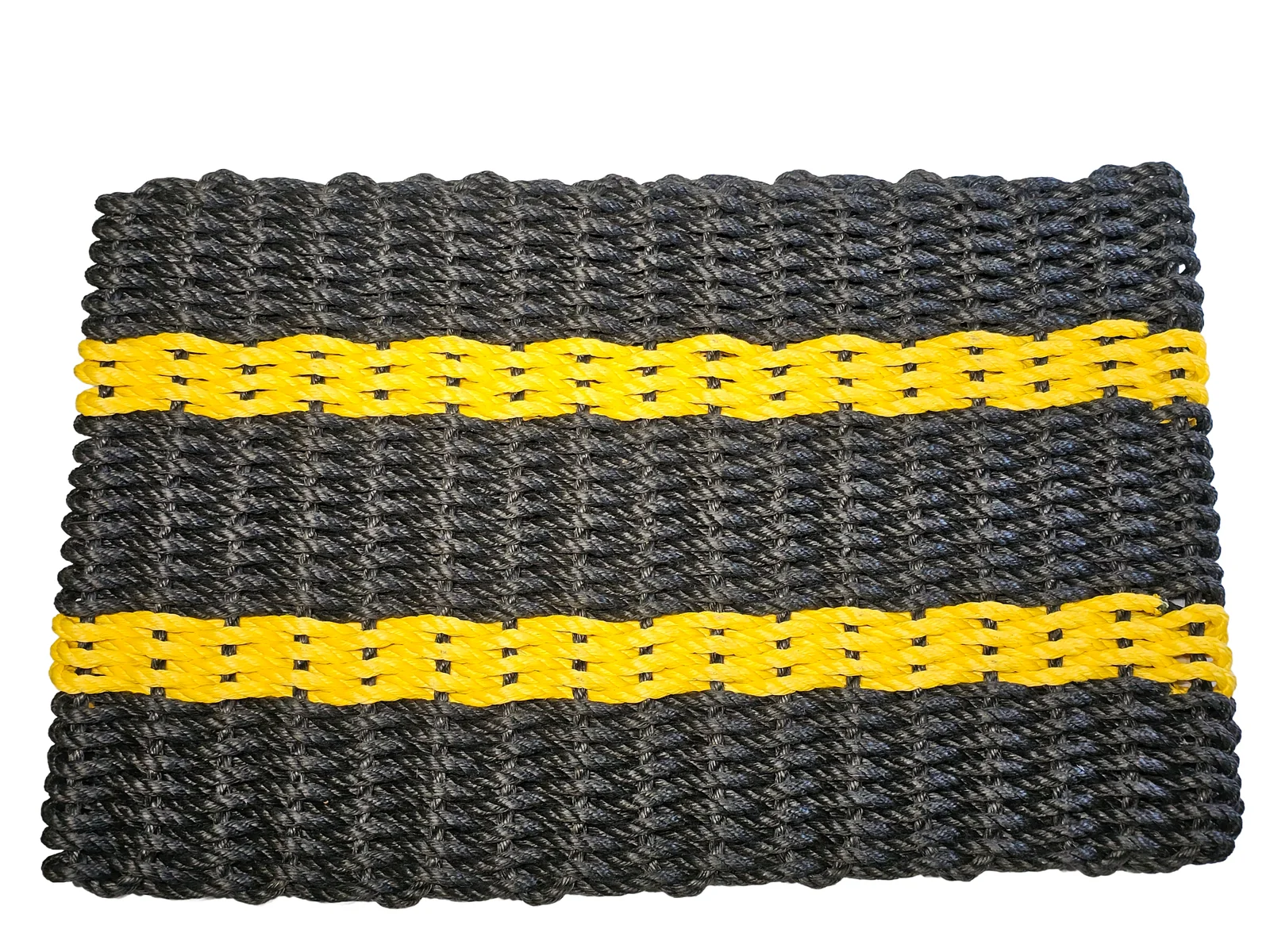
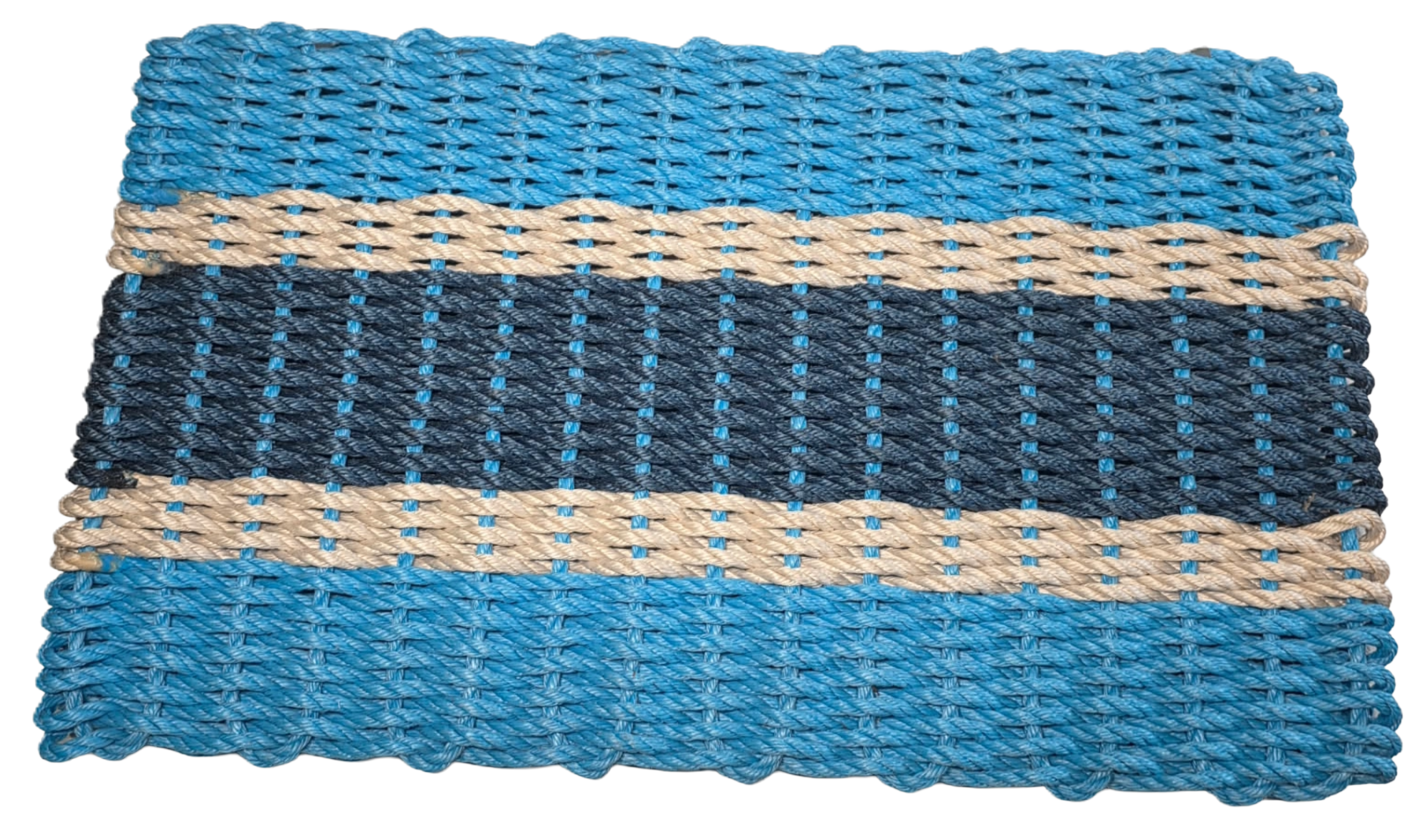
A mat sitting under direct afternoon sun fades faster in dark colors than in lighter blends, and a mat catching wet sand off pool decks or dock steps benefits from a tighter weave than one on a covered porch. Match the replacement to the actual exposure the old mat had, not just the color you liked in the listing photo. Skipping this step is how homeowners end up replacing the same mat twice in one year instead of once.
Shake the mat out hard, away from the entry, to knock loose sand and grit before you lift it. If you're not disposing of it outright, hose it down and let it dry before setting it aside — worn rope is still useful as a boot-scrape mat by a shed or garage. If the wear looks premature for the mat's age, check the guarantee terms on the Ropemats Florida site before tossing it; a 10-Year Replacement Guarantee covers exactly this kind of early failure.
Sweep out the sand and debris that collected underneath the old mat — it's usually more than expected, since that's precisely what the mat was catching. Let concrete or wood landings dry fully before setting the replacement down; trapped moisture under a new mat is how mildew starts on day one instead of year three. Check for a faded rectangle or stain outline from the old mat; it's cosmetic and fades with a season of sun, not something to scrub at.
Square the new mat to the threshold with the coil pattern centered, then leave it a day or two before it takes regular heavy foot traffic. Rope relaxes slightly out of the shipping coil and tightens back up as it acclimates to outdoor humidity — expect it to lie fully flat within 24 to 48 hours. The common mistake is walking heavy traffic across it immediately and assuming a slight curl at the edge means a defective mat; it usually just needs to settle.
“If the fraying reaches past the second row of coils, replace the mat — don’t patch it.”
Once the new mat is set and settled, protect it from salt air and daily sun before wear starts the clock again. Read how to weatherproof an outdoor rope mat for a rinse schedule and shade positioning that stretches the life of a rope doormat well past a single season.
How do I know when to replace a rope doormat?
Replace a rope doormat once fraying passes the second or third outer coil or the center no longer springs back after you press it. Sun-bleaching that doesn’t wash out is a sign the fibers are breaking down, not just dirty.
Can I put the new mat in the exact same spot as the old one?
Yes, as long as the landing is swept clean and fully dry first. Trapped moisture or sand left under the new mat causes mildew far sooner than normal wear would.
Is it normal for a new rope doormat to feel stiff at first?
Yes, a handmade lobster rope doormat softens after a week or two of foot traffic and sun exposure. Stiffness on arrival isn’t a defect, it’s how the rope ships.
Do rope doormats need a pad or liner underneath?
No, a rope doormat holds its shape and grip through its own weight and weave. A liner isn’t necessary on concrete, wood, or tile landings.
How much does it cost to replace a worn rope doormat?
Handmade lobster rope doormats from Ropemats Florida run roughly $49.99 to $69.99 depending on size and color pattern. Pricing sits in that range across most of the current catalog.
Can I replace a rope doormat myself, or does it need a professional?
You can replace it yourself in under 10 minutes since there are no fasteners, screws, or adhesive involved. It’s a lift-and-set job for one person.
What size rope doormat fits a standard front door?
Measure your door width and add a couple inches per side for coverage, then measure the landing depth to the first step edge. Sizes vary by door type, so measure before ordering rather than guessing.
Does a worn rope doormat get covered under warranty?
Ropemats Florida backs handmade lobster rope doormats with a 10-Year Replacement Guarantee. Check the current terms on the site for what qualifies before disposing of a worn mat.
Rotate the new mat 180 degrees every few months instead of leaving the same edge facing the door year-round. Foot traffic wears unevenly — the center strip closest to the threshold takes the brunt of it — and a quarter-turn every so often spreads that wear across the whole weave, which pushes the next replacement further out than 2026's calendar would suggest.